“Every day of delay should bring the feeling of war to where it all began — to Russia
“Every day of delay should bring the feeling of war to where it all began — to Russia.” That’s the message from President Volodymyr Zelenskyy, delivered not with a shout, but with the steady cadence of a man explaining why…
Aspen —“Every day of delay should bring the feeling of war to where it all began — to Russia.”
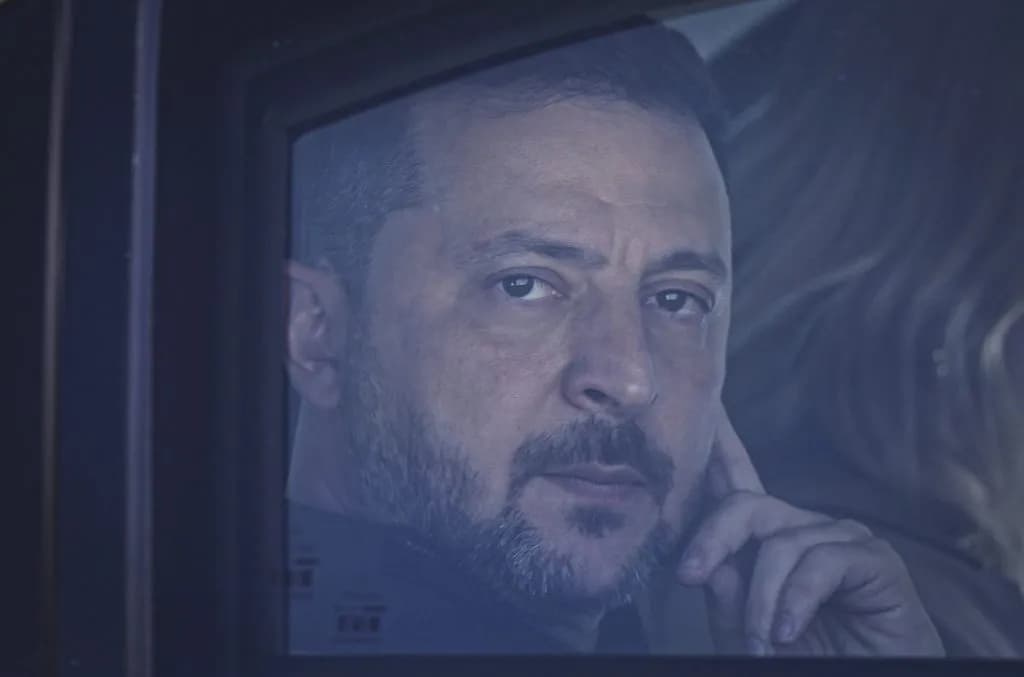
That’s the message from President Volodymyr Zelenskyy, delivered not with a shout, but with the steady cadence of a man explaining why the lights are flickering in his own capital. He was talking about the drone strikes that turned oil depots in Tver and Vyazniki into infernos, part of Kyiv’s campaign of “long-range sanctions” to make Moscow feel the heat of its own war machine.
The strikes happened Thursday, just a day after U.S. President Donald Trump pledged to grant Kyiv a license to manufacture the Patriot air defense systems. It was a significant shift, a way to keep the lights on in Ukrainian cities while they wait for the hardware to arrive. But there’s a catch, and it’s a big one.
A top Ukrainian official cautioned that it could take a year or more for the country to produce the Patriot interceptor missiles themselves. You don’t just flip a switch and start building precision-guided interceptors from scratch. You need factories, supply chains, and time.
The Kremlin, naturally, had its own take. They called Washington’s move “ambivalence,” a polite word for confusion, but noted they appreciated Trump’s efforts to broker a peace deal. It’s a delicate dance — accepting the weapons that keep your cities safe while trying to convince the world you’re still open to a truce.
But the drones kept coming.
In the Sea of Azov, Ukrainian drones set two oil tankers ablaze. Rostov Gov. Yuri Slusar confirmed one ship was still burning, its crew evacuated. It was part of a broader effort to cut off fuel supplies to the Crimean Peninsula, which Russia illegally annexed in 2014. The goal isn’t just to blow things up; it’s to choke the logistics.
Russia’s Defense Ministry said it downed 73 Ukrainian drones from late Wednesday into early Thursday. Ukraine’s air force said Russia fired 94 long-range strike drones and two ballistic missiles. While 72 were jammed or intercepted, 19 drones and both missiles damaged 13 locations. The numbers are high, but the damage is specific.
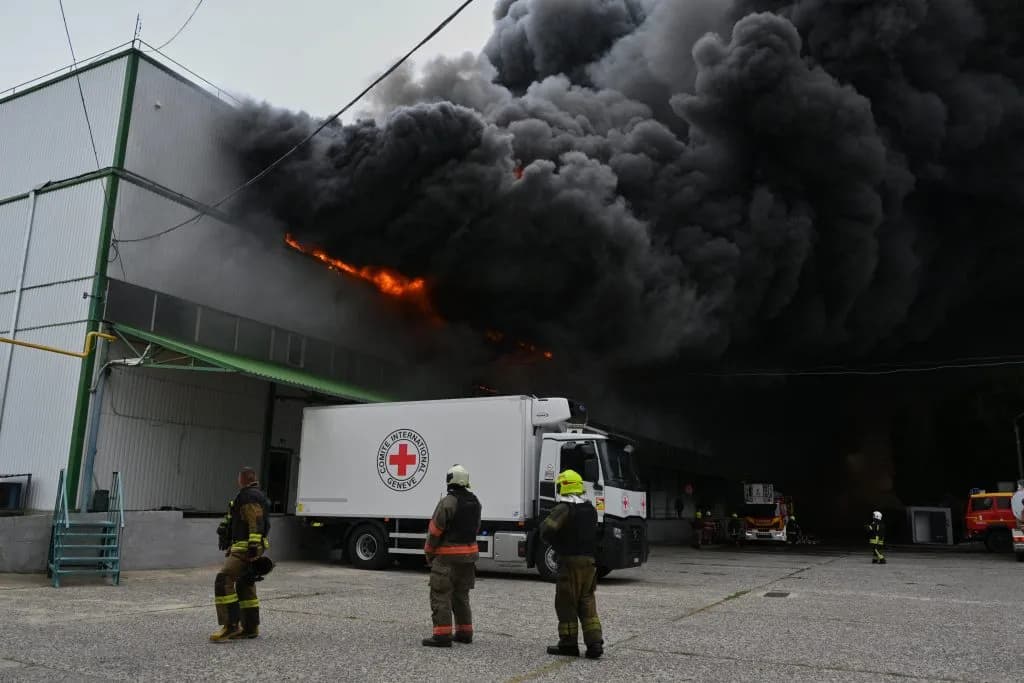
Oil reservoirs were set ablaze in Vyazniki, in the southern Stavropol region. Gov. Vladimir Vladimirov said nearby apartment buildings had to be evacuated. In Tver, acting Gov. Vitaly Korolyov reported a fire at an oil depot. And Zelenskyy said Ukrainian forces hit fuel infrastructure deep inside Russia, including one in Ufa, as well as an oil-loading terminal in the Rostov region closer to Ukraine.
The result? A widespread fuel crisis.
Gasoline shortages and rationing have hit multiple regions. Motorists are waiting for hours to fill their tanks. It’s a direct response to Moscow’s intensified bombardment of Kyiv and other cities, exposing Ukraine’s vulnerability to ballistic missile strikes. The two are linked: the more Russia bombs, the more Ukraine targets Russian oil.
It’s a feedback loop of destruction.
Trump praised Zelenskyy for doing “an amazing job” during a meeting on the sidelines of the NATO summit in Turkey. It was a sharp change in tone from previous months, a signal that the U.S. is still in the game, even if the path to victory is long and fraught with delays.
The part everyone skips past is the human cost of those delays. It’s not just about drones and missiles. It’s about the mother in Vyazniki who had to leave her apartment because the oil depot next door caught fire. It’s about the driver in Tver who stood in line for two hours, watching the fuel gauge drop, knowing the war was coming to his doorstep.
Stand there long enough and you start to understand the strategy. It’s not just about blowing up tanks. It’s about making the cost of war too high for the people who started it.
The Sea of Azov is quiet now, save for the smoke rising from the two tankers. The crew is safe, but the oil is still burning, a black stain on the water that mirrors the political stain on the relationship between Kyiv and Moscow. It’s a small fire, but it’s part of a much larger blaze.
Keep up with Aspen
The day's Western Slope news, one email each morning. Free.