Theatre Aspen’s Michael Bennett Musical Highlights Community Cultural Investment
Theatre Aspen’s production of Michael Bennett’s Pulitzer Prize-winning musical demonstrates that cultural investment serves as a mirror for the community, reflecting shared struggles and resilience beyond mere attendance figures.
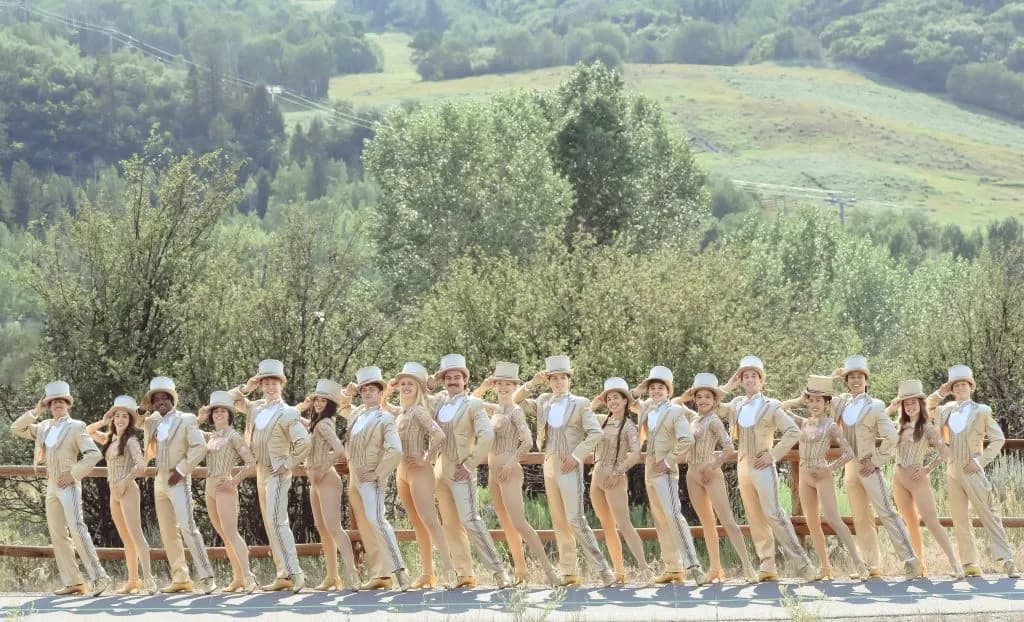
Aspen —The velvet seats still hold the warmth of last night’s applause, and the scent of rosin and stage dust hangs in the cool mountain air as patrons spill out onto Main Street. When Theatre Aspen mounts a production this substantial, locals naturally ask: what does it actually cost the community to keep world-class storytelling alive in a town where rent climbs faster than the snowline? The answer sits quietly in the numbers, but it also lives in the work of Paige Price, Eamon Foley, and Beth G. Tankersley, who have assembled a cast that proves cultural investment here isn’t just an expense — it’s a mirror.
The Aspen Times reported this week that Michael Bennett’s Pulitzer Prize-winning musical remains, nearly fifty years after its debut, one of theater’s most enduring explorations of ambition and vulnerability. Theatre Aspen presents it with precision, trusting both the material and its performers so that humanity can emerge without being forced. You watch a group of dancers compete for a coveted Broadway chorus spot, and what begins as an audition slowly becomes a collective confession. Each performer moves beyond résumé highlights into memories of family, identity, resilience, and hope, allowing the audience to recognize pieces of themselves in lives that might otherwise feel far removed from our own valley routines.
Stephen Cerf commands the stage as Zach, balancing quiet authority with the impossible task of evaluating talent while drawing deeply personal truths from the dancers. Ahren Victory stands opposite him, bringing emotional depth and complexity to Cassie’s return to New York from Los Angeles. The ensemble delivers technical excellence alongside distinct character identities, and the dancing proves superb. More impressive is how clearly character emerges through movement, with confidence, insecurity, humor, and longing communicated through dialogue and living into the choreography. Foley’s original choreography creates new movement that belongs only to this production, and it settles into the iconic staging of “One.”
The cast runs deep, and Aspen noted several performances worth highlighting. Alejandro Medina brings a frenetic sincerity to Mark, Charlie Reyes delivers an engaging and energetic Al, and Olivia Zenetizis finds delightful comedic timing as Connie. Myranda Sanchez infuses Bebe with both vulnerability and determination, while Evelyn Duggan leaves a memorable impression as Kristine, embracing the character’s near tone deafness with genuine charm. Scenic designer Riw Rakkulchon’s work anchors the space, and the technical elements hold up under scrutiny.
When county officials debate funding for the arts, they often point to attendance figures and tourism dollars, but they rarely mention what happens inside those walls when a production like this lands. Theatre Aspen isn’t just filling seats; they’re holding space for people to see their own struggles reflected in the choreography, the lighting, and the quiet moments between cues. The rough edges — the slight pitch waver in Duggan’s Kristine, the hurried transitions between scenes, don’t detract from the work. They make it feel lived-in, which is exactly what a community theater should be.
You can feel it when the house lights dim and the first note cuts through the cool mountain air, hanging there like a promise. The stage clears, the dancers line up, and the rhythm settles into something steady and familiar.
Keep up with Aspen
The day's Western Slope news, one email each morning. Free.