Vail Shifts Library Geothermal Drilling Site to Lot 10
Vail relocates its library geothermal drilling site to Lot 10, raising phase one costs to $1.54 million while advancing a resilient energy system for Lionshead snowmelt operations.
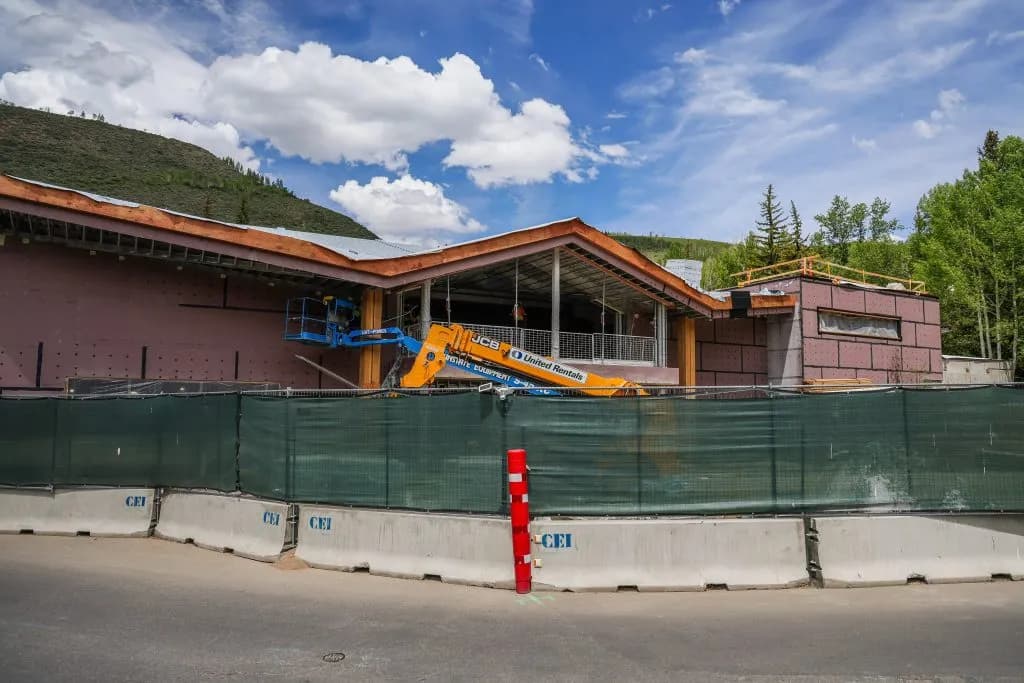
Aspen —A $6 million Vail Library project. Council Member Reid Phillips didn’t mince words when the location shift hit his desk. “I think we were surprised about the shift (to the new location) that seemed like other people knew about before we knew about,” Phillips said Tuesday. “That was uncomfortable, to answer those questions.” The discomfort stems from a drilling site that just moved. Originally planned for the library’s backyard, the geothermal borefields will now target Lot 10, directly across from the library and east of the Dobson area.
The Vail Daily reported Tuesday that engineers made the switch after realizing Lot 10 offered better subsurface conditions. That relocation saves the library from extended construction noise but pushes the borefield footprint into active parking zones during winter. Let’s do the math on what this actually means for Vail. The town approved phase one in November at an estimated $1.3 million to the taxpayer, once grants and current energy offsets are factored in. That number has quietly climbed to $1.54 million. Dale Silha with McKinstry, the Seattle-based engineering partner leading the work, noted this isn’t an “easy, check the box and you get your answer” type of project. The real financial weight sits in phase two, which aims to decarbonize Lionshead’s massive snowmelt system. Over a 30-year term, the total project investment sits at an estimated $48.3 million. The council made its position clear Tuesday: Vail does not intend to foot that entire bill.
McKinstry is currently pursuing memorandums of understanding from potential partners at its own expense. The town hopes to lock in the Eagle River Water and Sanitation District, Vail Resorts, and the Evergreen Lodge. Formal commitments are still missing. The project will use geothermal borefields, wastewater heat recovery, and distributed heat pumps to replace or supplement conventional natural gas heating. The council acknowledged the benefits extend beyond carbon reduction, pointing to a “more resilient energy system” capable of handling future growth. They also want clear off-ramps for both phases, in case partners walk away or costs spiral.
For locals, the moving target translates to property tax exposure and utility rate adjustments. The $1.54 million phase one cost is already baked into the budget, but phase two’s $48.3 million total hinges on whether those three major entities actually sign on. If they don’t, Vail’s portion of the bill grows. The town is shifting its drilling operations to Lot 10, which means different construction timelines for the library parking area and a more complex billing structure for snowmelt users. Silha’s team is working to secure those MOUs before breaking ground on phase two. Until then, Vail keeps paying for a system that’s still figuring out where exactly the heat will come from.
Keep up with Aspen
The day's Western Slope news, one email each morning. Free.