Vail Anglers Trade Gas Motors for Salomone’s Motorless Watercraft
Vail anglers increasingly choose motorless watercraft like belly boats and float tubes, trading engine noise for lower costs and better casting angles on local lakes.
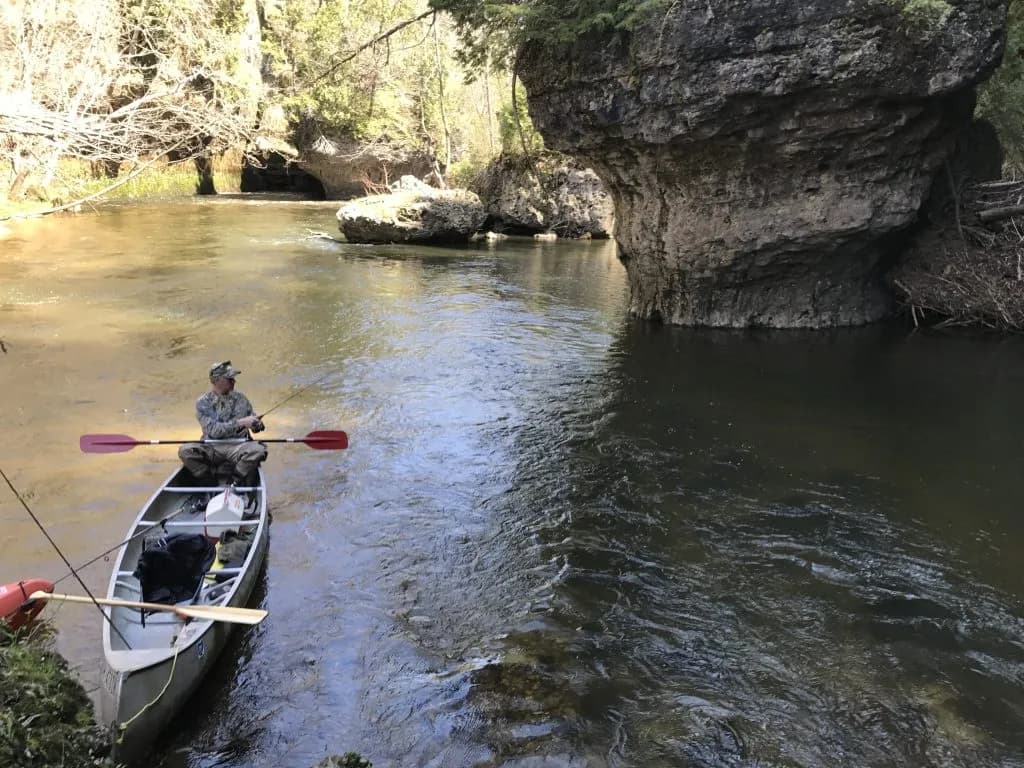
Aspen —“I like to feel the weight of the water.” Emily Salomone said that while leaning on oars, and it perfectly captures what Michael Salomone is selling to locals. Four types of watercraft. Zero motors required. The equipment breakdown is straightforward. Belly boats, float tubes, kayaks, and one-man pontoon boats all operate without engines. They’re inexpensive, often found on sale or listed cheaply in local classifieds, and they all require a personal flotation device.
Vail Daily reported Tuesday that the most basic option is the belly boat. It’s a circular tube where you sit suspended in the middle, directly on a seat. You’re literally sitting in the water, which makes for a cold excursion. Fins attached to your wading boots do all the work moving you forward, but maneuvering them takes practice. Float tubes sit U-shaped a little higher in the water, keeping you warmer while making casting easier. You’re sitting up instead of pressed against the cold surface, which straightens your backcast and eliminates water slapping. Angler Darron Musser uses a kayak for fly fishing, proving you don’t need to sit on your butt in the water to catch lake trout. One-man pontoon boats like the Watermaster extend stability further out, and they handle larger lakes without demanding a motor.
On paper, this looks like a straightforward upgrade to your weekend routine. In practice, neighbors need to stop assuming bigger lakes require expensive rentals or gas motors. Salomone has rowed a raft across large lakes to catch lake trout, and he matches his craft to the water’s size. The shorebound angler can still succeed from the bank, but the pull to get off land and farther out is real. You’re trading engine noise for oar weight, motor fuel for classified bargains, and a stiff backcast for better casting angles. The data says you can cover more ground without burning a drop of gas, provided you don’t ignore the safety requirements.
A personal flotation device is non-negotiable across all these options. Skip it, and you’re gambling with safety; pick one that’s too thick, and you’ll restrict your own movement. The financial impact is minimal if you shop the local classifieds or catch a seasonal sale. The logistical shift requires one fixed purchase: a properly sized PFD that doesn’t choke your motion. You pay in practice, not in dollars, to cast farther and sit closer to the fish. For locals stretching their fly gear beyond the shoreline, the numbers already justify the trip off land.
Keep up with Aspen
The day's Western Slope news, one email each morning. Free.