Federal Judge Blocks NCAR Split, Citing Political Revenge on Colorado
Senior U.S. District Judge R. Brooke Jackson issued a 38-page injunction blocking the National Science Foundation from transferring NCAR’s supercomputing center to the University of Wyoming, citing significant 'brain drain' and political revenge on Colorado.
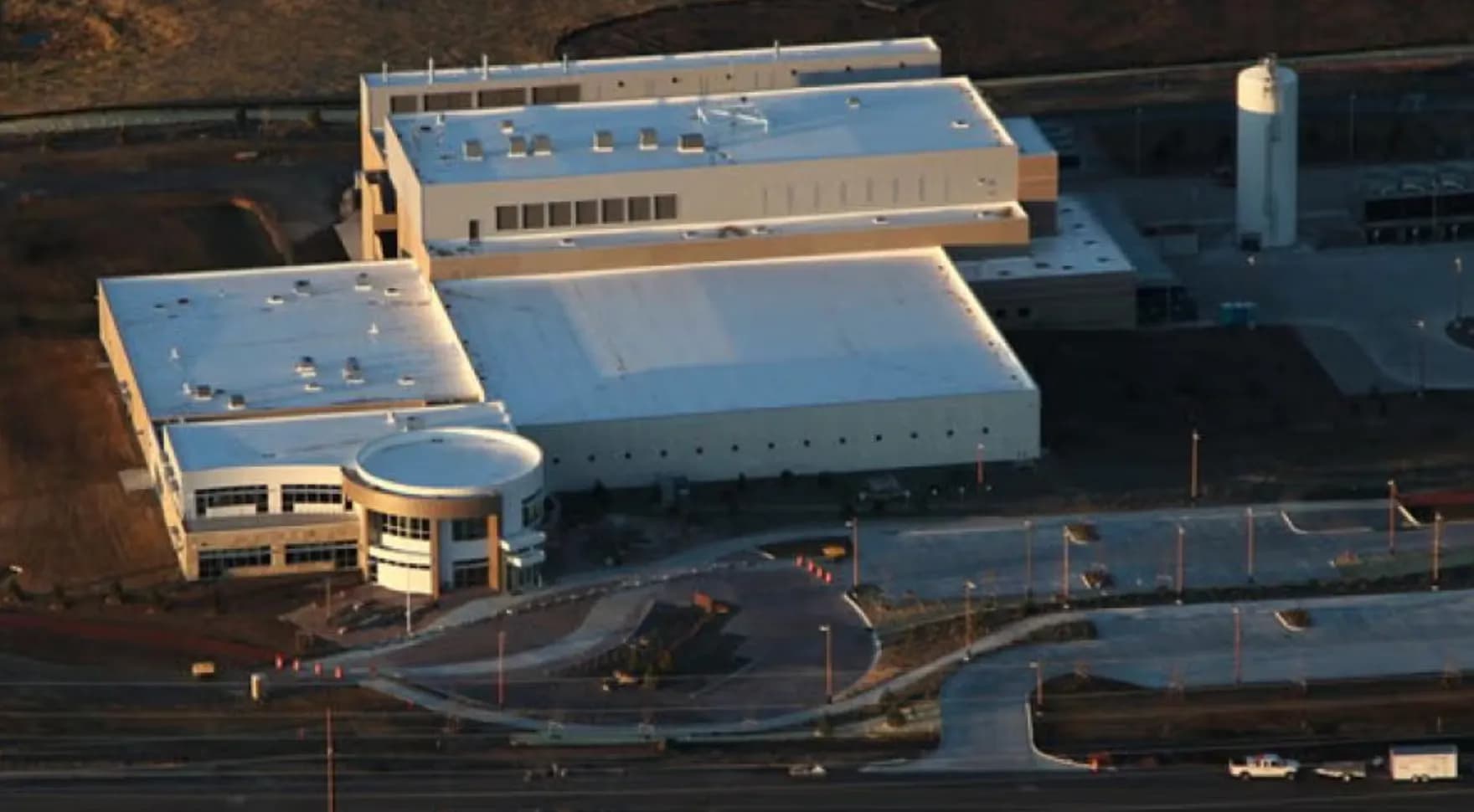
Colorado —"The NCAR-Wyoming Supercomputing Center has already lost a significant number of experts in supercomputing, for example, with the chance of losing many more."
That line from Senior U.S. District Judge R. Brooke Jackson isn’t just legal jargon. It’s a warning shot fired from Denver’s federal courthouse, aimed squarely at the Trump administration. And it matters because, for the folks in Boulder and the broader Western Slope who rely on atmospheric science, that "brain drain" isn't a theoretical risk. It’s happening right now.
On Monday, Jackson issued a 38-page injunction blocking federal officials from breaking up the National Center for Atmospheric Research (NCAR). Specifically, he stopped the National Science Foundation (NSF) from handing over the renowned supercomputing center to the University of Wyoming. The ruling didn’t just pause the transfer; it raked the administration for what Jackson called "political revenge on Colorado."
Here’s the thing though: this wasn’t a random bureaucratic shuffle. UCAR, the consortium of over 100 universities that manages NCAR operations, argued that the split was arbitrary, capricious, and an abuse of discretion. Jackson agreed. He ruled that the lawsuit filed in March was likely to succeed, but more importantly, that too much damage had already been done to the center’s operations.
Picture the scene inside the supercomputing center. Servers humming. Scientists tracking storms. Then, suddenly, the threat of management change. The result? Key employees — scientists, engineers, systems administrators — started packing their bags. They’re essential to the continuous functioning of the NWSC. If the transfer goes through, the center loses its institutional memory. It loses the people who know how to keep the lights on.
Jackson’s ruling leaned heavily on the same argument Colorado Attorney General Phil Weiser has used in dozens of other lawsuits: that President Trump was exacting retribution for Colorado’s political shift. The state had voted Democratic. It had also seen the high-profile imprisonment of former Mesa County Clerk Tina Peters, who was convicted for orchestrating a security breach of her county’s election system in 2019 in a failed attempt to uncover voter fraud. The administration saw the political pain; now, the courts are feeling it too.
The original lawsuit described the supercomputing center as a "pillar" of the nation’s atmospheric research. Dismantling it, or at least severing its management ties, wasn't just about efficiency. It was about dismantling a project and potentially firing thousands of employees. The judge bought it. He noted that UCAR had made a showing of irreparable harm through the significant "brain drain" already experienced as a direct result of the attempted transfer.
The NSF declined comment late Monday. Mike England, the head of media affairs, didn't offer a rebuttal to the judge’s characterization of political motive. He just stayed quiet.
For the community, this ruling is a reprieve, but not a final victory. The legal battle continues. But for now, the NWSC stays with UCAR. The experts stay put. The servers keep humming. It’s a small win for Boulder’s scientific reputation, a reminder that when the federal government tries to extract a political toll, sometimes the courts hit back with a check. The question is whether the administration will pay up, or if they’ll appeal and drag this out, keeping the threat of breakup hanging over the valley like a storm front that refuses to break.
Keep up with Colorado
The day's Western Slope news, one email each morning. Free.
Steamboat Recommends E-Motorcycle Education to Clarify Rules
BLM Clears 113 Roan Plateau Parcels for December 2026 Oil and Gas Lease Sale
Southern Colorado Releases 2,500 Acre-Feet to Save Drying Arkansas River
Federal Report Sets 200,000 Acre-Foot Water Conservation Target for Upper Basin
Colorado Parks and Wildlife Deploys Precision Drones for Weed Control