Friends of the Yampa Warn of Structural Shift to Aridification
Friends of the Yampa report that the river signals a structural shift toward aridification, prompting local ranchers and conservationists to collaborate on adaptation strategies rather than waiting for federal decisions.
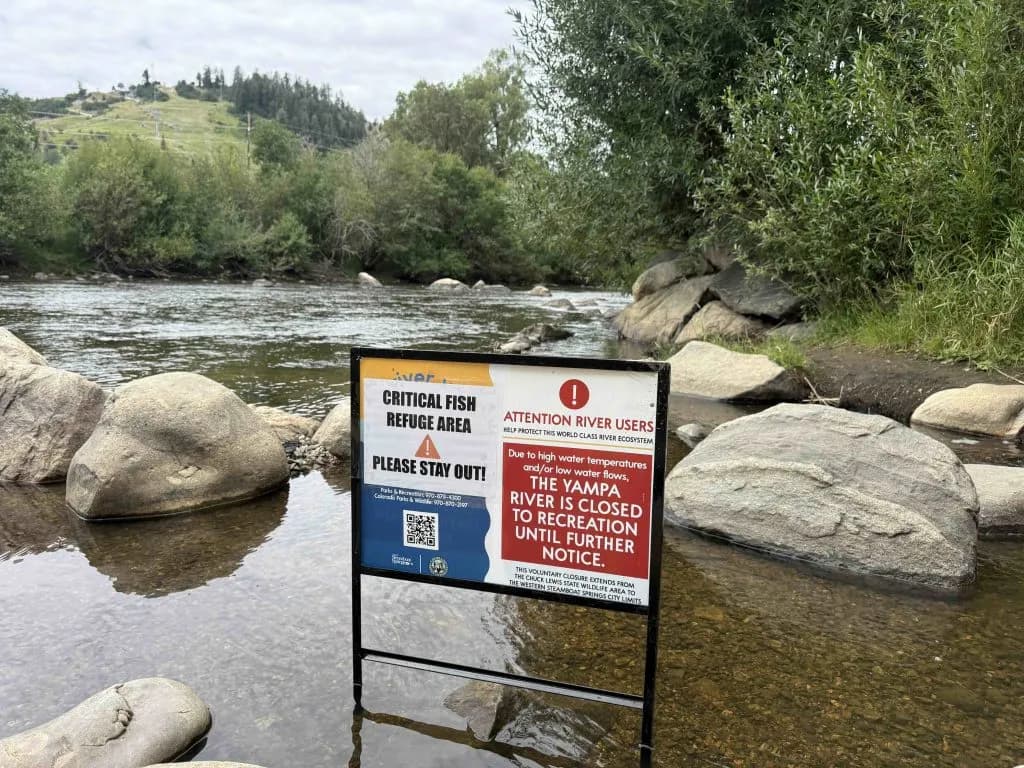
Steamboat Springs —The Yampa River cuts through the valley floor, a ribbon of turquoise and brown that shifts with the light of late afternoon. It moves with a steady, heavy grace, carrying the memory of snowmelt from the high peaks down to the confluence where it meets the Colorado. For those who live along its banks, in towns like Steamboat Springs and Hayden, it is not just a backdrop to daily life; it serves as the pulse of the region. It dictates when the irrigation ditches open, where the trout hold, and how the air smells in July — crisp with pine, yet warm against the skin.
But lately, that pulse feels different.
According to a guest column published in the Steamboat Pilot, the Yampa is sending a clear signal about the future of Northwest Colorado. The message, delivered by Friends of the Yampa, is that what we are witnessing is not merely another dry spell, but a structural shift toward aridification. This is a long-term change in the climate, one that is hotter and drier than the cycles of the past. The science, they argue, is unequivocal, and the impacts are no longer theoretical concepts discussed in distant offices. They are visible in the riverbanks, in the reservoir levels, and in the water rights that are being curtailed earlier than ever before.
The Yampa contributes roughly one-third of Colorado’s remaining flow into the larger Colorado River system, a vital contribution that keeps the basin alive. Unlike many of its neighbors, which have been heavily dammed and diverted, it retains a largely natural hydrograph. It rises and falls with the seasons, supporting agriculture, recreation, tourism, and wildlife habitat across Northwest Colorado. Yet, even this resilient waterway is feeling the strain of a changing West.
What makes this story relevant to locals is the realization that adaptation must happen here, locally, rather than waiting for decisions made in Washington, D.C., or through interstate negotiations. The Steamboat Pilot reported that unusual partners are increasingly aligned around the future of the Yampa. Ranchers who have worked this land for generations are now standing alongside conservationists, recreation businesses, local governments, scientists, and water managers. They all recognize that the health of the river is inseparable from the health of their communities.
There is a warmth to this collaboration, a sense that the community is waking up to the reality of the situation. The good news, according to the report, is that protecting the waterway is possible. It requires a balanced, resilient system that can sustain agriculture and wildlife while supporting future generations. It demands informed communities making better decisions, and it requires action rather than waiting.
The snowpack is less reliable, the runoff arrives earlier, and the summers are hotter and drier. The banks are changing before our eyes. As the Steamboat Pilot noted, the question is whether we will change with them.
As the sun dips lower behind the mountains, casting long shadows across the water, the Yampa continues its journey. It carries with it the weight of history and the promise of adaptation, a quiet reminder that while the climate may be shifting, so too can we.
Keep up with Steamboat Springs
The day's Western Slope news, one email each morning. Free.