Garfield Re-2 Cuts Projected Deficit to $500K With $90.3M Budget
Garfield Re-2 school board approves a $90.3 million budget for 2026-27, slashing the projected deficit from $2.2 million to $500,000 through increased grants and a strategic payroll raise.
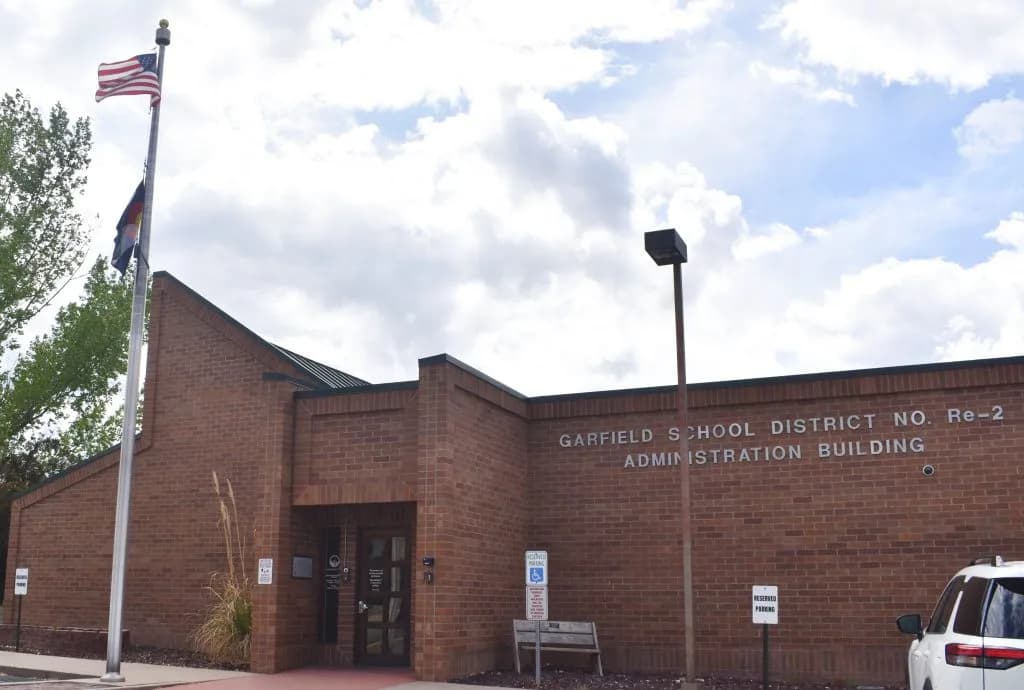
Glenwood Springs —Garfield Re-2 is going to spend more than it brings in. Again.
But this time, the hole is smaller. Much smaller.
The school board approved a $90.3 million budget for the 2026-27 school year on Wednesday. The move slashes the projected deficit from $2.2 million down to just $500,000. That’s a $1.7 million swing in a single vote.
Finance Director Jason Lynch didn’t mince words about how the district got here. He told the board that financial outlooks shift like sand in the Grand Valley wind. Grants hit the account faster than anyone expected.
“There’s lots of changes that happen fast,” Lynch said. “Today, we got in $4.5 million. Yesterday we got $600,000 worth of grant, so in the last 24 hours, we got $5 million to different funds.”
That $5 million influx didn’t just vanish into administrative overhead. It shrank the General Fund deficit for the current fiscal year from a planned $2.2 million to a projected $1.2 million. The district is finishing the year nearly $1 million better than it thought it would.
Locals need to understand what that means for the bottom line. The district spends roughly $6 million a month. It brings in about $5 million. That $1 million monthly bleed is what creates the deficit.
The new budget for 2026-27 aims to stabilize that bleed. Lynch projects a deficit of only $500,000 for the upcoming year. Compare that to the $2.2 million deficit projected at the start of the 2025-26 fiscal year. It’s a massive improvement.
But there’s a cost to this stability. Payroll is going up.
The budget includes a $2.6 million increase in payroll. Why? To retain staff. Lynch said the extra money is an incentive for employees to come back. In a district where hiring and keeping teachers is a constant struggle, that price tag buys continuity.
The current fiscal year’s budget tells a similar story of tightrope walking. The budget neared $71 million. The district used $67 million of it. That left $4 million in unused funds. Lynch noted that number was accurate as of nine days ago and shouldn’t change much, though some payroll adjustments are still pending.
Revenue projections for the current year are also tighter than feared. Revenues came in at $71.3 million, not the $71.1 million estimated earlier. Payroll, however, came in lower than budgeted. The budget called for over $40.5 million. Projections show payroll at $40 million. Lynch said he’s being conservative here. He’s not counting on those savings to balance the books. He’s just reporting what’s there.
The proposed General Fund for 2026-27 is expected to hit $73.9 million. After all expenditures and revenues are calculated, roughly $18 million will roll over to the next year. That’s a healthy buffer. It’s cash that stays in the system rather than vanishing into a deficit hole.
Lynch also secured approval for supplemental resolutions, including one for the student activity fund. The student fee account went over $32,000 this year. Lynch pointed out a specific inefficiency: the football team might have raised $20,000 but spent $24,000. They have their own student accounts. Fragmented funding leads to fragmented accounting headaches.
He asked for an extra $50,000, bringing the total for that fund to around $82,000. The goal was simple: stop coming back to the board every time the football team overspends its budget.
The board agreed. All resolutions passed unanimously.
The short version? Garfield Re-2 is still spending more than it earns. But the gap is closing. The district is betting that retaining staff and securing grants will keep the bleeding minimal. Whether that holds up when the next round of grants dries up is the real question.
Lynch said the numbers are conservative. He said the outlook has improved. But he also admitted the numbers can shift quickly. In the world of school finance, "quickly" is a terrifying word.
The board voted. The budget is set. Now we wait to see if the $5 million in recent grants was a fluke or a trend.
Keep up with Glenwood Springs
The day's Western Slope news, one email each morning. Free.


Glenwood Clinic Parking Lots Fill for Unproven Peptide Injections
On the ridge above Glenwood Springs, the wind usually whips off the peaks before it reaches the parking lots