GoPro Mountain Games Athletes Spend $140K on Black Hawk, Mortgages, and Lattes
Over 4,000 athletes competed for $140,000 at the 24th-annual GoPro Mountain Games. Winners are spending their cash on Black Hawk trips, mortgages, $8 lattes, and carbon-plated shoes, highlighting the financial realities of modern endurance sports.
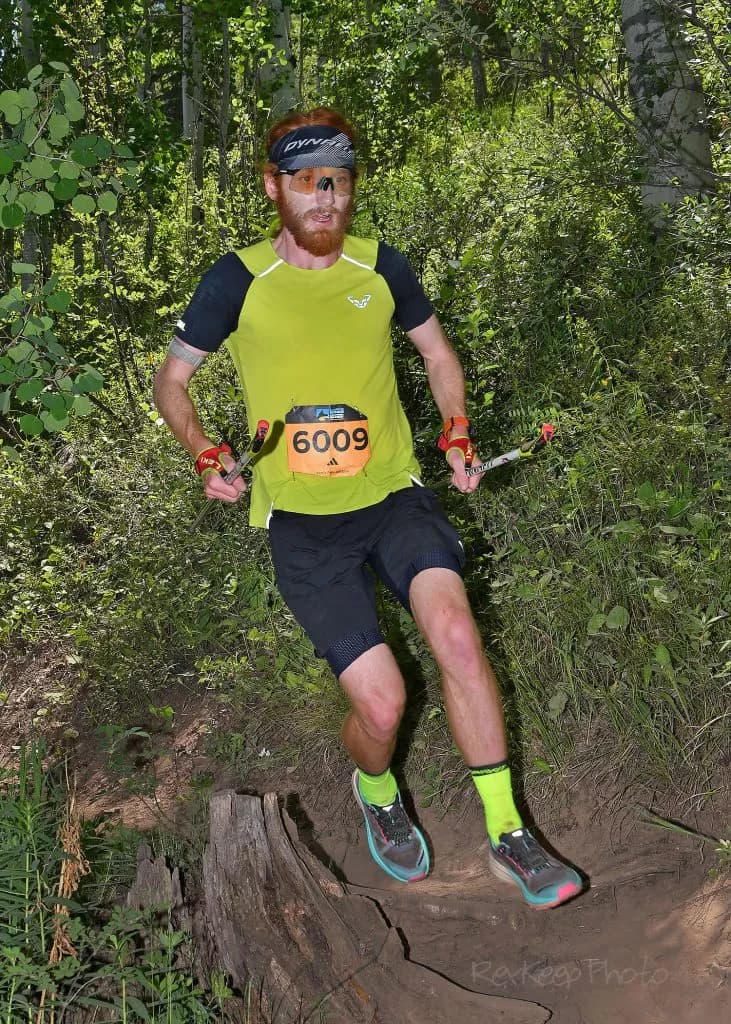
Aspen —Over 4,000 athletes competed for more than $140,000 in prize money at the 24th-annual GoPro Mountain Games. What did they do with the cash?
They spent it on Black Hawk, mortgages, lattes, and carbon-plated shoes.
It wasn’t just about the prestige. The Vail Valley Foundation, which organizes the event, knows the prize purse is a major draw. Julie Block, director of PR and communications, called it “one piece of a larger picture.” But let’s be clear: the money is the hook.
The foundation throws in athlete gift bags, exclusive lounge access, and discounted tickets to the Mountains of Music. They want competitors to feel valued from the moment they arrive. Eric Brunner, the road bike hill climb champion, didn’t mince words. He was “blown away” by the field. He noted the “fun vibe” and the “good prize purse.”
That’s what locals need to understand. This isn’t just a local festival. It’s a professional circuit stop with a serious cash engine.
Brunner and Ashley Frye won the road hill climb. They figured their winnings would cover travel and lodging. That’s the practical answer. The real answer? Frye smiled. Her friend Autumn wanted to go to Black Hawk. The plan was simple: double it or lose it all.
Frye, a 26-year-old from Boulder, conquered the 9.7-mile course up Vail Pass in 31 minutes, 36.16 seconds. She didn’t just win; she dominated. And now she’s spending that victory on caffeine. “I’m spending it all on $8 lattes,” she said.
Fueling for endurance sports is expensive. Carbs are pricey. Gas is rising. Housing is the real killer.
Cam Smith, a Skimo Olympian, double-dipped on Sunday morning. He won $2,750 in the 10K at 8:45 a.m. Then he won another $2,000 five hours later in Pepi’s Face-Off. That’s $4,750 for a morning’s work. Smith said it’s going straight to the mortgage.
Housing costs are climbing faster than the climbs themselves. For athletes still living with their parents, the math is different. Dylan Blair, an 18-year-old recent Eagle Valley High School graduate, placed third in the Adidas Terrex 20K trail run. He earned $1,000.
Northern Arizona is offering him a scholarship. So why did he need the prize money? “Yes, but I still have to pay a little,” Blair explained. He’s not completely off the hook.
Blair had a change of heart when he heard Dick’s Sporting Goods had a sale on Nike Vaporfly Next% 3s. Those are premiere carbon-plated super shoes. They’re the tech gear of the moment. Blair decided to “invest a little on myself.” He might treat himself.
The day wasn’t over for Blair. He ran more than 12 miles and climbed 2,500 feet. Then he worked an eight-hour shift at Red Sky. That’s the reality of the modern amateur-pro hybrid. You race, you run, you work.
Blair joked he might get a dinner for six for himself. “We’ll see about that,” he said with a smirk.
The short version? The cash is moving fast. It’s flowing to Black Hawk casinos. It’s hitting mortgages. It’s buying $8 lattes and high-end running shoes. The athletes aren’t just competing for glory. They’re competing to keep up with the cost of living.
Block says the event makes competitors feel valued. The athletes say it pays the bills. Or buys the shoes. Or funds the next big gamble.
The Vail Valley Foundation keeps the lights on. The athletes keep the energy high. And the $140,000 keeps changing hands.
What happens when the prize pool shrinks? Or when the housing market spikes again? The foundation hasn’t said. But the athletes are already spending it.
Keep up with Aspen
The day's Western Slope news, one email each morning. Free.

NWRM CASA Honors Judge O’Hara and Founders at 15th Anniversary

Craig Hosts Only Regional Special Olympics Bowling Competition