Governor Jared Polis Signs Senate Bill 133 Creating A Corps
Governor Jared Polis signed Senate Bill 133 into law, creating Colorado Artist Companies (A Corps) to let artists retain voting control while attracting investment.
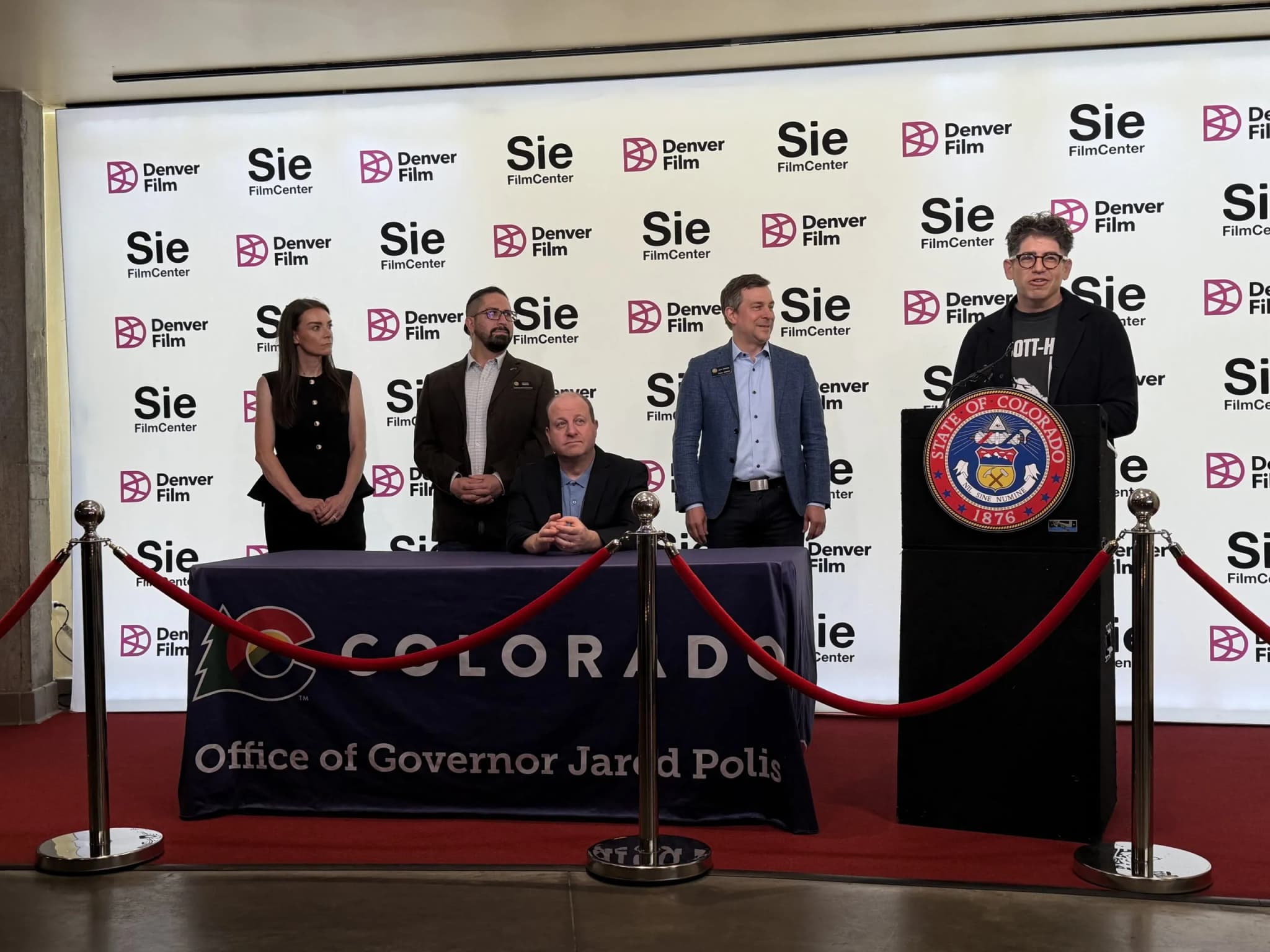
Colorado —The smell of turpentine and the hum of a gallery opening are familiar comforts to anyone who has ever tried to turn a passion into a paycheck, but for years, those two worlds have been at war. You could sell your soul to an investor, or you could keep your soul, but rarely did you get to do both without giving up the steering wheel. That’s the old story. That’s the story that kept the starving artist starving and the wealthy investor in control. But on Tuesday, Governor Jared Polis signed Senate Bill 133 into law, and suddenly, the script is flipped. Colorado is no longer just a place where art happens; it’s the first state to legally codify a way for artists to keep their art.
It’s a bold move, and it’s one that feels like it was written by someone who actually understands the tension between capital and creativity. The new structure, called Colorado Artist Companies or A Corps, is a subset of the limited liability corporation, but it’s built on a different foundation. It’s not just about protecting assets; it’s about protecting agency. When you look closely at the mechanics of an A Corp, you see a deliberate separation of powers. Investors can buy in for the money — the royalties, the revenue, the economic benefits — but they don’t get the vote. The artist keeps 51% of the voting shares, guaranteed. They hold the reins.
Yancey Strickler, the co-founder of Kickstarter who pitched the idea in a TED talk back in 2025, watched this become reality. He’s seen the crowdfunding model change how we fund projects, but funding isn’t ownership. This bill changes ownership. It allows shares to be based on capital contributions or artistic contributions, which means your sweat equity counts as much as your seed money. You can build equity in your own company while you’re still making the work that the company was founded on. It’s a recognition that the art is the asset, not just the vehicle for it.
Meredith Badler, deputy director of the Colorado Business Committee for the Arts, which helped shepherd the bill through the legislature, said it’s exciting to see the state government codify something so specific to the creative sector. “We’re so often forging our own path in the creative sector,” Badler said. “It really recognizes their unique needs and their unique benefits.” And it’s working. California is already crafting versions of its own, and Vermont and New Jersey are listening. At least six other states are lining up similar bills, waiting to see if Colorado’s experiment holds water.
But why here? Why now? It’s not just about being first. It’s about the texture of the creative life here, where the line between the studio and the storefront is often blurred. When you sign an LLC, you’re playing by federal rules that were written for factories and tech startups, not for painters and poets. An A Corp adjusts the lens. It ensures that when you bring in an investor, you aren’t handing over your creative vision on a platter. You’re renting their money, not selling your voice.
There’s a warmth to this kind of legislation, but there’s also a rough edge. It’s not a magic wand that guarantees success. You still have to make good art. You still have to manage the business. But the power dynamic shifts. The artist is no longer the supplicant begging for capital; they are the architect of their own enterprise. It’s a small change in legal terminology, but it feels like a door swinging open in a room that’s been closed for decades.
As the ink dries on the bill, the question isn’t whether it will work, but who will be the first to try it. Will it be the muralist in Grand Junction who finally brings in a local investor without losing the right to choose the colors? Will it be the musician in Aspen who can release an album and keep the masters? The air in the capitol still smells of polished wood and old paper, but out here, in the studios and the galleries, the air feels different. Lighter. Charged with the possibility that for the first time, you can keep the thing you love and still get paid for it.
Keep up with Colorado
The day's Western Slope news, one email each morning. Free.

Federal Report Sets 200,000 Acre-Foot Water Conservation Target for Upper Basin

Colorado Parks and Wildlife Deploys Precision Drones for Weed Control