Governor Jared Polis Vetoes Four Bills to Protect Gaming Taxes and Restore Grants
Governor Jared Polis vetoed four bills, including HB 1418 which would have taxed in-game purchases, and restored $1.75 million in funding for after-school programs like the Boys and Girls Club.
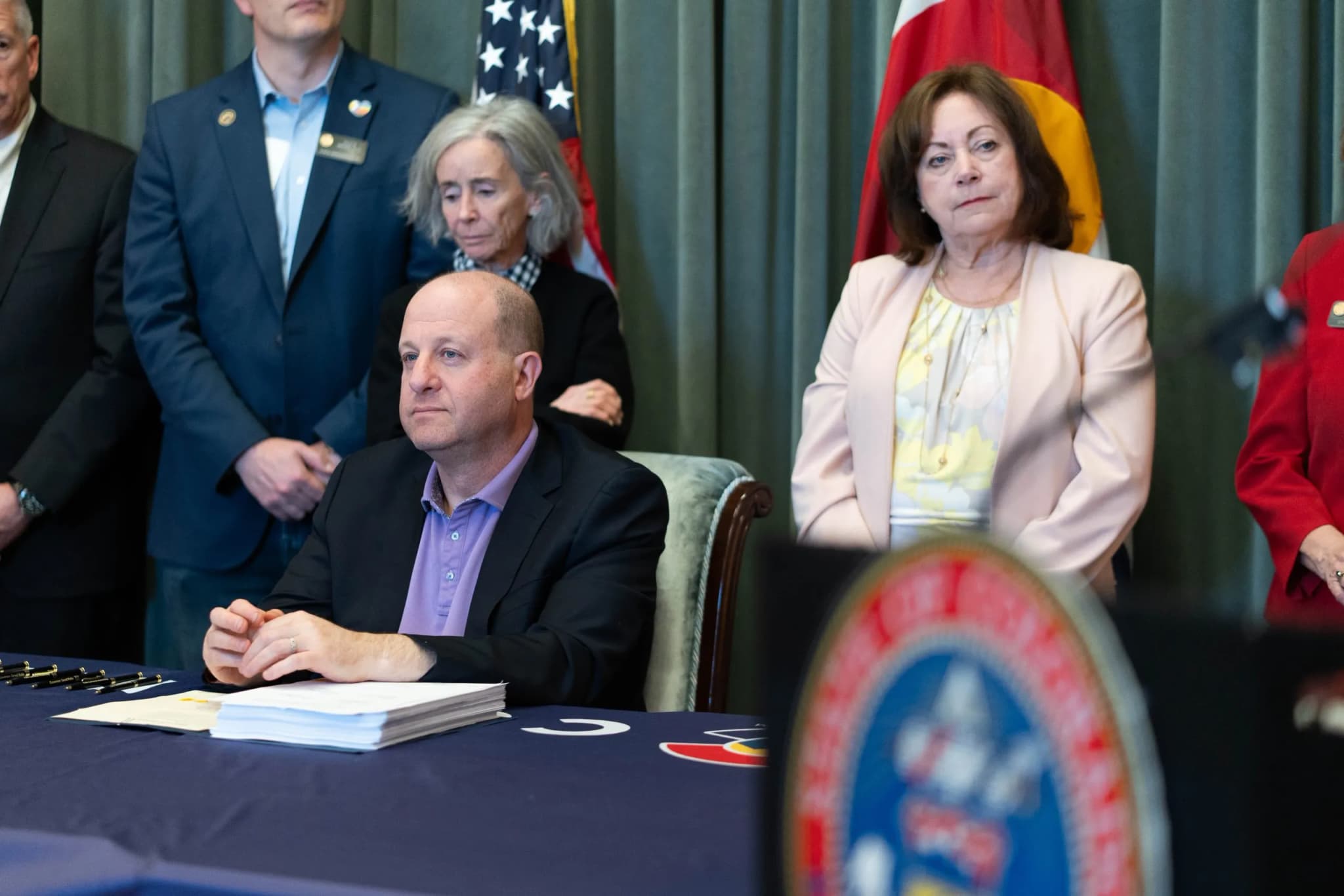
Colorado —“Governor Jared Polis on Thursday vetoed four bills,” the Colorado Sun reported, but the real story isn’t the number four. It’s what those vetoes protect: your ability to buy a digital skin for your avatar without the state taking a cut, and your right to speak online without a new layer of bureaucracy demanding you report every minor threat.
Polis struck down House Bill 1418, the measure that would have slapped a 5% fee on in-game purchases to fund youth mental health programs. On paper, it sounds like a win for kids. You buy a sword, the state gets a nickel, and mental health services get a boost. In practice, Polis argued that the fee would run afoul of the Taxpayer’s Bill of Rights (TABOR). The core issue? The connection between the fee and the program wasn’t clear enough.
“The fee imposed on these add-on transactions means that consumers would not only be charged extra for things like character costumes and upgrades, but also for storyline content for online games,” Polis wrote in his veto letter. “This type of content represents digital storytelling and artistic expression, and I do not support such a fee.”
Let’s be clear about what that means for locals. If that bill had passed, every time you bought a battle pass or a cosmetic item in a major online game, you’d be paying a state-imposed tax. Polis, an avid gamer himself, drew the line at taxing artistic expression. He’s betting that the state’s improving revenue forecast means we can afford youth mental health funding through general funds rather than nickel-and-diming gamers on virtual goods.
The governor also killed House Bill 1255, the social media regulation bill. This one would have forced platforms to report posts containing threats of physical harm or incitement to criminal activity to law enforcement. It sounds straightforward until you look at the logistics. Polis cited free speech concerns, warning of a “chilling effect” on online discourse. He also objected to a provision requiring social media companies to respond to search warrants within 24 hours. That’s a tight turnaround for companies managing millions of users across multiple time zones.
Then there’s the money. Polis vetoed a Joint Budget Committee decision that would have cut an after-school grant program in half. He restored $1.75 million in funding to nonprofits like the Boys and Girls Club. That’s not a rounding error. That’s real money for programming that serves low-income kids in the valley. The state’s revenue picture is expected to improve, so why cut the lifeline?
Polis also nixed House Bill 1286, which would have required a qualified commercial driver to be present in large autonomous trucks. He argued this would prevent Colorado from deploying self-driving tech that could actually make roads safer. It’s a gamble on automation versus human oversight, but he’s betting on the tech.
These were his first vetoes of 2026, coming just two weeks after the legislative session ended. The Senate passed HB 1418 by a single vote. It was close. It was contentious. And now, it’s dead.
For the folks around here, the impact is subtle but specific. Your video game purchases stay cheaper. The Boys and Girls Club keeps its funding. And the state doesn’t force you to pay a “digital storytelling tax” just because you want to upgrade your character. Polis is prioritizing fiscal stability and free speech over new revenue streams and regulatory mandates. It’s a choice. The budget forecast supports it. The gamers and the nonprofits get to keep what they have.
Keep up with Colorado
The day's Western Slope news, one email each morning. Free.
Steamboat Recommends E-Motorcycle Education to Clarify Rules
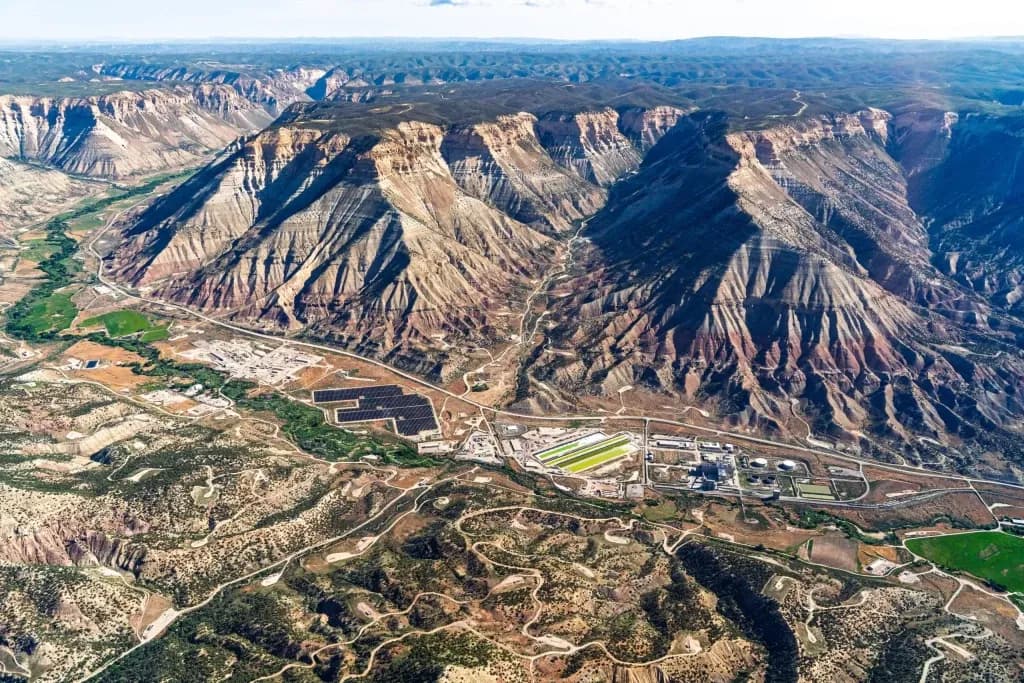
BLM Clears 113 Roan Plateau Parcels for December 2026 Oil and Gas Lease Sale
Southern Colorado Releases 2,500 Acre-Feet to Save Drying Arkansas River
Federal Report Sets 200,000 Acre-Foot Water Conservation Target for Upper Basin
Colorado Parks and Wildlife Deploys Precision Drones for Weed Control