Grand County Wildfire Council Director Shares Lessons from East Troublesome Fire
Grand County Wildfire Council Executive Director Jessica Rahn reflects on losing her home in the 2020 East Troublesome Fire and offers practical advice on overcoming panic and preparing for the current severe drought and wildfire season.
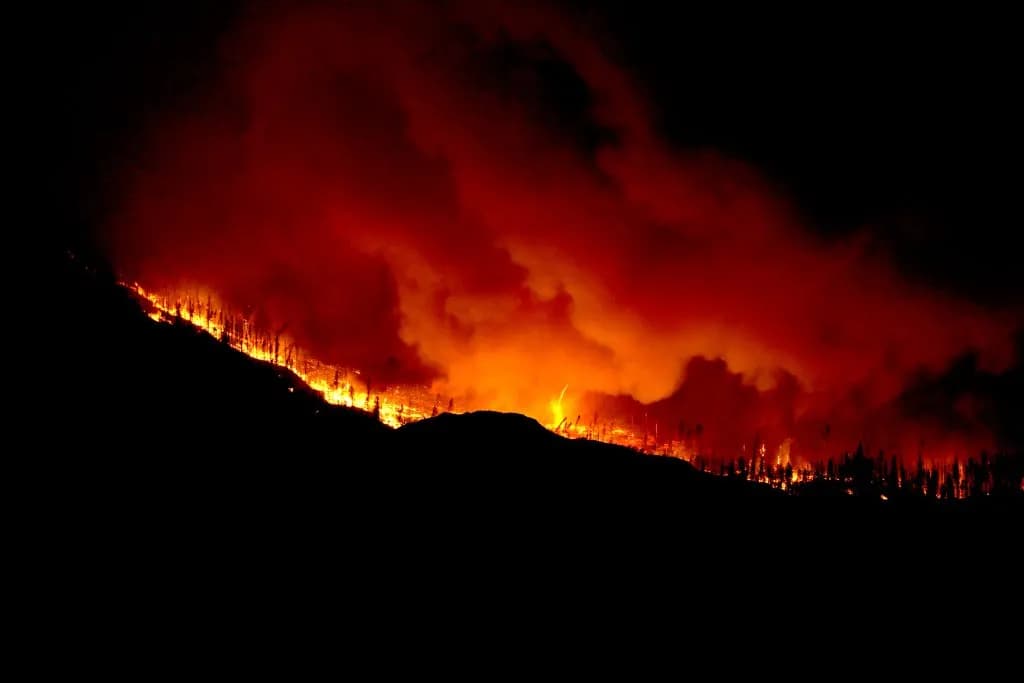
Steamboat Springs —The orange glow of the East Troublesome Fire didn’t just light up the sky; it swallowed it. Jessica Rahn remembers the ash falling like snow, heavy and gray, as she and her husband stood in their driveway in October 2020, trying to decide what mattered enough to carry out of a burning world. They had a newborn. They had two dogs and two cats. They had a house that was already gone in their minds, even if the walls were still standing.
“It felt like Armageddon,” Rahn said.
That was the feeling. The panic. The oscillation between believing the fire would stop at the property line and knowing it wouldn’t. Now, as the executive director of the Grand County Wildfire Council, she’s back in the thick of it, watching the same dry conditions that fueled that 2020 blaze threaten the Western Slope again. The National Interagency Fire Center’s latest outlook for June 2026 paints a stark picture: above-normal risk of wildfires across the region. The snowpack was historically low. The temperatures were above average. The fuel is there. Waiting.
Here’s the thing though: most people think they’ll have time to react when the sirens start. They don’t.
Rahn and her husband had been quarantined due to a COVID-19 exposure, a layer of isolation that added to the surreal nature of the evacuation. Their neighborhood had been on pre-evacuation notice for days, but the fire had crossed Colorado Highway 125, moving from Kremmling toward their door. They left before the official order was even issued. Within hours, the fire consumed the neighborhood. Thirty-six6 homes. One hundred eighty-nine structures. Gone.
“The worst part is not knowing how you’re going to feel in that moment,” Rahn said. “The panic is real and the more prepared you are, the less panic you’ll have.”
It’s easy to dismiss the warning until the smoke hits your window. It’s easy to think, not here, not now. But Rahn argues that preparation isn’t about buying the perfect go-bag or having a fleet of luxury vehicles. It’s about the mental shift. It’s about spending fifteen minutes talking with your family about what you’d grab if you had five minutes.
Rahn’s family had a go-bag ready with medications. They’d already pulled out an old Jeep and a wedding dress — sentimental items that didn’t fit neatly into a checklist but mattered deeply. As the fire grew closer, they sorted everything into piles. Essential. Maybe. Trash. They loaded what they could into two vehicles and drove.
“If you don’t take any of these steps... it’s just going to feel like chaos,” Rahn said. “It is chaos, right? But at least if you’ve done a little bit of planning... it will feel less dangerous.”
The current drought conditions mirror those of 2020. The Western Slope is heading into the height of wildfire season with severe drought gripping the state. The risk isn’t theoretical. It’s a forecast. And for the folks living in the valleys between the mountains and the plains, that forecast is a threat to their property, their commute, and their peace of mind.
Rahn isn’t asking for perfection. She’s asking for preparation. A few items in a bin. A conversation at the kitchen table. A plan that accounts for the newborn, the pets, the meds. Because when the sky turns black and the ash starts falling, you won’t have time to think. You’ll just have to move.
The fire took her home. It took the homes of her neighbors. It left a scar on the landscape that’s still visible from the highway. But it also left a lesson, one that’s becoming harder to ignore every year. The chaos is inevitable. The panic is optional.
Keep up with Steamboat Springs
The day's Western Slope news, one email each morning. Free.
NWRM CASA Honors Judge O’Hara and Founders at 15th Anniversary

Craig Hosts Only Regional Special Olympics Bowling Competition