Greenwich Teen’s West Nile Crash Reveals Colorado’s Mosquito Threat
A 17-year-old climber’s severe West Nile infection in Greenwood Village highlights how the virus is hitting Colorado harder than anywhere else, proving risk exists in suburban backyards, not just marshes.
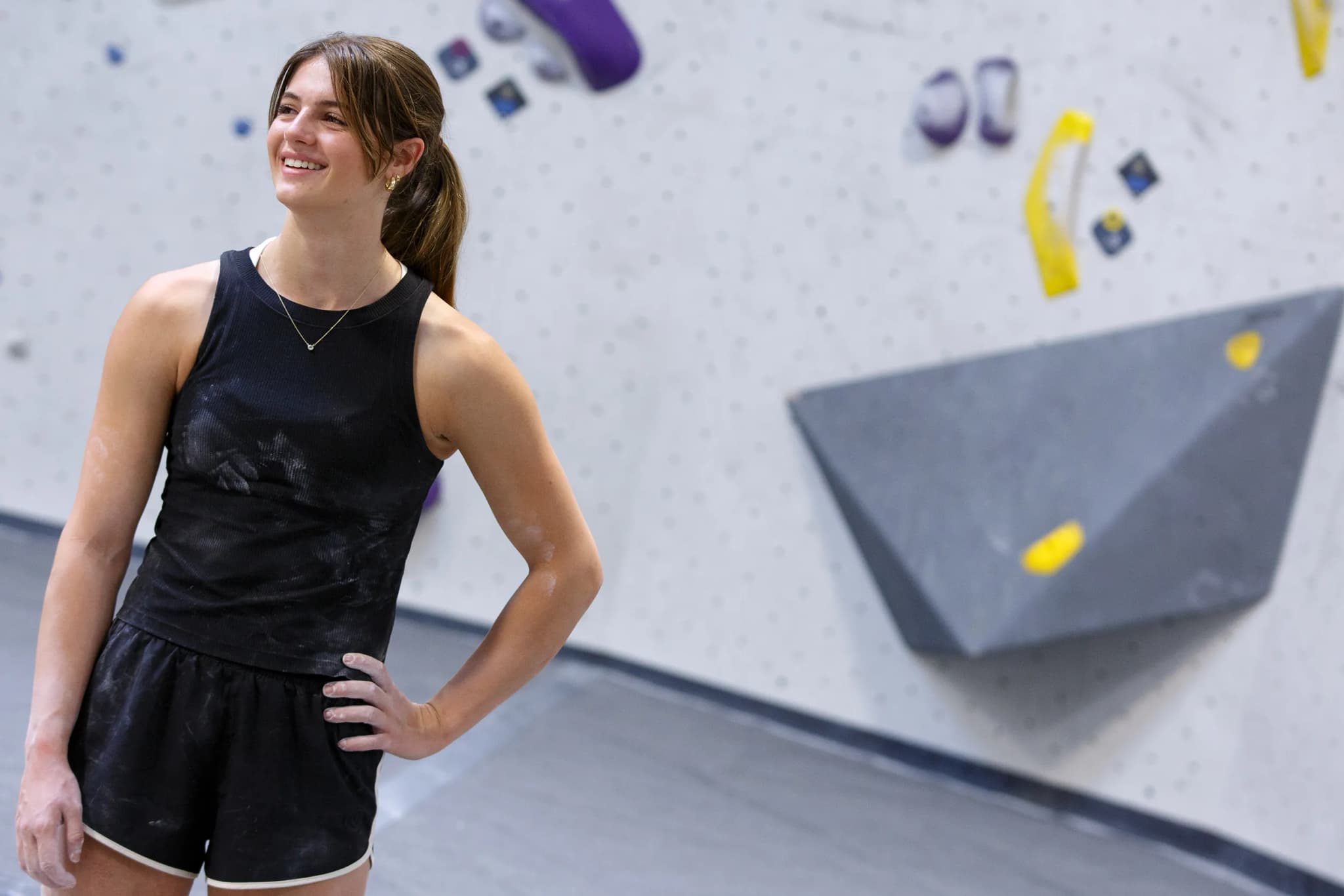
Colorado —Alexandra Inghilterra was ten feet up on a climbing wall. Her spine was parallel to the floor. She leaped for the next hold and her coordination failed. She crashed. Her head whipped into the mat.
Doctors in the emergency room called it a concussion. A simple head injury.
Within hours, the headache set in. Within weeks, a rash appeared on her arms. The headache didn’t leave. Exhaustion took over. Her fever spiked to 105.5 degrees. She vomited near-constantly. She was admitted to the hospital.
“I remember having my whole doctor team in the hospital trying to keep me awake,” said Inghilterra, who goes by Alex and is 17.
The diagnosis was meningitis. The source? A mystery. A second test revealed the truth: West Nile virus.
It’s the most common mosquito-transmitted disease in the United States. Locals assume it’s a minor nuisance, something that makes your arm itch for a day. It’s not. It’s a pathogen that can be fatal or debilitating. And it’s hitting Colorado harder than anywhere else in the country.
Last year, the state reported 286 cases and 20 deaths. That’s nearly double what any other state saw. In 2019, a particularly bad year for mosquitoes locally, Colorado recorded more than 600 cases. Thirty-one percent were neuroinvasive — the kind of severe illness Alex suffered. Fifty people died.
This year could be worse.
Authorities are already tracking the season. The virus is moving. And it’s not just about the wetlands.
What gets Alex’s mom, Kim, most is where Alex likely caught the virus. Sitting on their patio in Greenwood Village.
“I never saw that coming, especially from their backyard,” Kim said. “And we travel all over the world.”
We assume risk lives in the marshes. In the irrigation canals. In the slow-moving retention ponds that line our highways. But West Nile doesn’t care about your elevation. It doesn’t care if you’re an elite athlete.
Alex is a bronze medalist at this year’s national championships. She’s a veteran of international competitions. She trains at a climbing gym in Centennial. Last August, the virus stripped her of her coordination. It took her months to recover. Months to build back the strength to climb at the same level.
Chris Roundy, a medical entomologist with the Colorado Department of Publichi and Environment, says we just have the right environment. The birds that introduce the virus. The mosquitoes that transmit it. Both found in close proximity to population centers.
That’s the hard fact we ignore. We live with the vector. We build our subdivisions next to the standing water. We assume the "bug-ridden" label applies only to the high-country meadows or the eastern plains. It doesn’t.
Jefferson County authorities are already watching the numbers. But numbers don’t stop a 105-degree fever.
The short version: West Nile is here. It’s in the backyard. And it’s waiting for you to stop paying attention.
Read that again.
You don’t need to be in a swamp to get sick. You just need to be outside.
The climate is changing. The mosquito population is adapting. And Colorado is the epicenter.
Make no mistake: this isn’t a passive year. It’s a "get your DEET" year.
Alex Inghilterra is back on the wall. But she’s still counting the days since the crash. Since the fever. Since the moment she realized the open air wasn’t enough protection.
Neighbors around here think they’re safe because the air is dry. They’re wrong. The virus doesn’t care about the humidity. It cares about the bite.
And this year, the bite is coming.
Keep up with Colorado
The day's Western Slope news, one email each morning. Free.

Federal Report Sets 200,000 Acre-Foot Water Conservation Target for Upper Basin
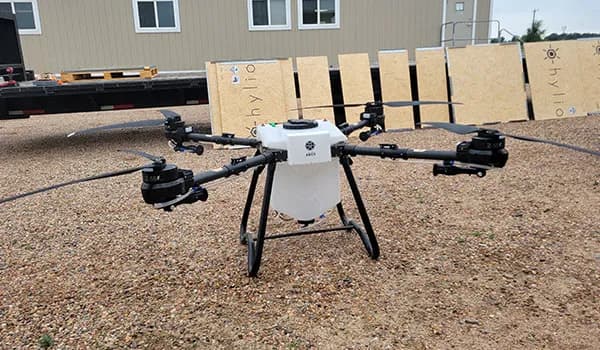
Colorado Parks and Wildlife Deploys Precision Drones for Weed Control