Habitat for Humanity Transforms Gypsum Land Into Stratton Flats Neighborhood
Habitat for Humanity Vail Valley turned desolate land into the Stratton Flats neighborhood in Gypsum, providing stable housing for 17 families through sweat equity and community investment.
Aspen —Kids zooming on scooters. Neighbors chatting on porches. A line of children waiting for the school bus.
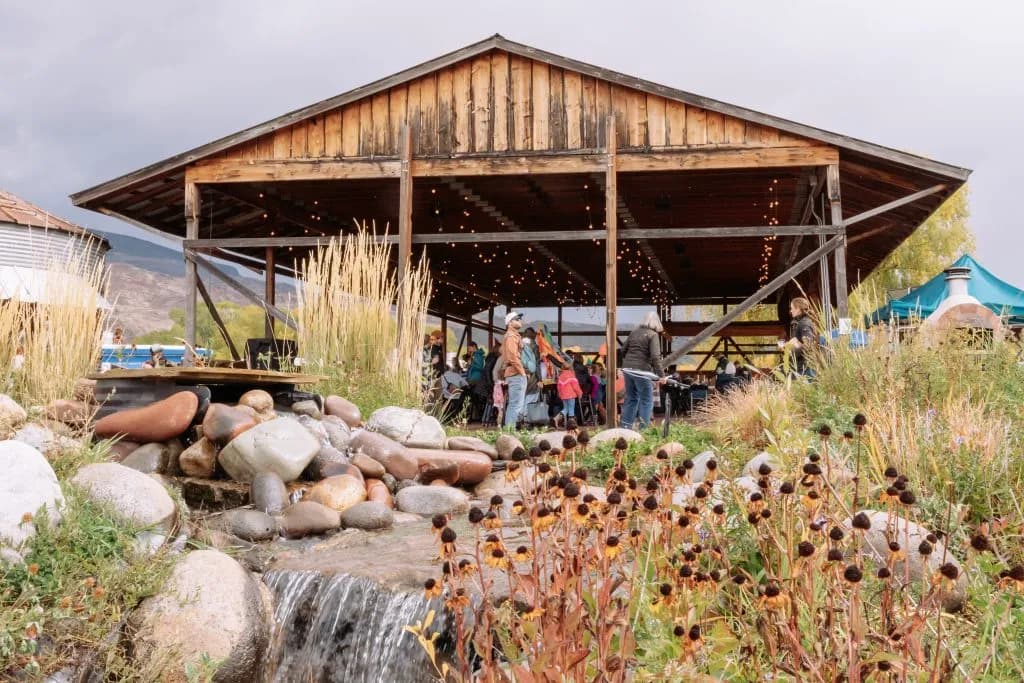
That’s what you see if you drive west down Nighthawk Circle in Gypsum today. It’s a vibrant, established neighborhood. It doesn’t look like a gamble anymore.
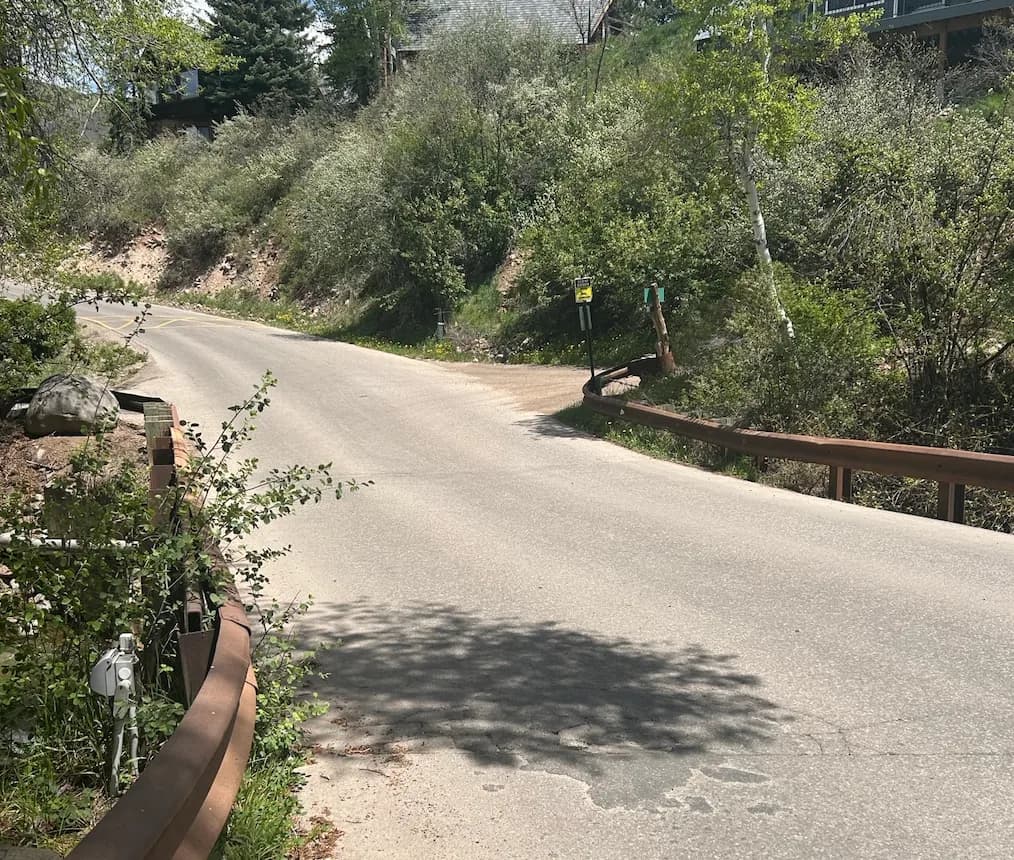
But fifteen years ago, it was just a cold, windy tract of bank-owned land with tumbleweeds blowing across a desolate road.
This is the story of how Habitat for Humanity Vail Valley turned that gray, empty lot into Stratton Flats. It’s a story about trust, sweat equity, and the specific, gritty reality of building housing in the valley.
John, the Executive Director, and a handful of supporters walked into a bank with a vision. They needed to buy the land. They needed to raise more money than they had ever raised in the organization’s history.
They asked donors to invest almost a million dollars in a plot of land that felt like a promise for the future. On paper, it was a bold move. In practice, it was nerve-wracking.
The result? 17 families just got home dedication ceremonies.
These aren’t just houses. They are stability for people who were one rent increase, one unsafe living situation, or one unexpected bill away from leaving the community. When someone moves away because they can’t find housing, it leaves a hole in the local economy. It leaves a hole in the social fabric. Habitat plugs that hole.
The process starts with "sweat equity." Homeowners build their own homes and the homes of their neighbors. They hang doors. They lay plumbing. They forge relationships before the drywall is even up. That bond doesn’t disappear when the keys are handed over. It gets stronger.
The neighborhood has grown since those early days. A Kaboom grant helped add a park. Sidewalks and bike paths connect the area. Stratton Flats isn’t just single-family homes; it’s also home to Spring Creek Apartments, townhomes, and duplexes. Each unit type fills a specific need, creating a diverse community where people can simply belong.
The history on Nighthawk Circle is deep. It’s years of families building lives. It’s years of partnerships that helped build this specific corner of Gypsum.
For context, consider the alternative. Without this long-view investment — starting with that initial million-dollar land purchase and the subsequent infrastructure — the valley loses affordable housing stock. It loses the middle-income families who keep local schools full and main streets busy. It loses the people who buy groceries at the local markets and fix the local cars.
The scene on Nighthawk Circle isn’t an accident. It’s the result of a deliberate, multi-year strategy that started when the sky was bleached dull gray and the road was empty.
The practical bottom line? This project stabilized housing for dozens of families in a high-cost area. It created a self-sustaining community hub. And it proved that asking donors to trust a "desolate" vision was a good bet. The return isn't just in the property value; it’s in the social infrastructure that keeps the valley from fracturing under the weight of rising rents.
Keep up with Aspen
The day's Western Slope news, one email each morning. Free.

NWRM CASA Honors Judge O’Hara and Founders at 15th Anniversary
Craig Hosts Only Regional Special Olympics Bowling Competition