Hickenlooper vs Gonzales Clash on Healthcare and Childcare in Colorado Senate Primary
Incumbent John Hickenlooper and state Sen. Julie Gonzales face off in Colorado’s Democratic Senate primary, highlighting key divides on childcare, healthcare, and fracking.

Colorado —Colorado’s Democratic primary for U.S. Senate is a two-person race, and the contest between incumbent John Hickenlooper and state Sen. Julie Gonzales comes down to a clash of experience, policy nuance, and how each defines their time in office.
Hickenlooper, 74, brings a resume that spans Denver’s mayor’s office, the governor’s mansion, and a failed presidential run. Gonzales, 43, offers a different trajectory: community organizing, immigration law, and nearly a decade in the state legislature. They are running against each other on June 30. There is no Republican primary this year, meaning the winner faces Mark Baisley, the de facto GOP nominee, in the general election.
The question for voters isn't just who they prefer, but how their specific policy positions align with the needs of a state that has shifted from a swing state to a Democratic stronghold.
On healthcare, Hickenlooper supports a public option. Gonzales leans further, backing Medicare for All. Both agree on capping drug prices, a move Colorado has already enacted at the state level, but they differ on the scale of federal intervention.
The economy is where the distinction sharpens. Hickenlooper, the former restaurateur, emphasizes his record on job creation and infrastructure. Gonzales focuses on wage growth and childcare. She argues the current childcare system is in crisis, with 14,000 eligible children on waiting lists for the state’s only subsidy program. Hickenlooper doesn't dismiss the problem, but his approach to solving it in Congress focuses more on broad tax incentives and infrastructure investment. Gonzales wants targeted federal funding to plug the gap immediately.
Energy is the other major divider. Colorado is struggling to meet its climate goals, particularly in transportation. Hickenlooper supports a national ban on fracking. Gonzales supports a moratorium on new oil and gas leases on federal land. It’s a subtle but important difference. A ban stops the activity entirely. A moratorium pauses new development, allowing existing operations to continue while the market adjusts. For the Western Slope, where fracking is a way of life, the distinction matters.
Immigration is a close call. Both support a path to citizenship for those already here. But when it comes to ICE, Gonzales wants to dismantle it. Hickenlooper supports keeping it but reforming its functions. It’s a classic establishment versus progressive split.
Hickenlooper also holds the line on continued military funding for Israel, with conditions. Gonzales is more open to restructuring that aid. On taxes, both support extending the Trump-era tax cuts that expire in 2028, including the break on overtime earnings. They agree on banning stock trading for members of Congress and restricting lobbying for former members.
The race is effectively a referendum on Hickenlooper’s eight years as governor and his four years in the Senate. Gonzales is running on the premise that he hasn't done enough for working families, specifically around childcare and housing affordability. Hickenlooper is running on the premise that he has the experience to deliver federal dollars and that Gonzales is too far left for the general election.
The data confirms the childcare crisis. The state’s only subsidy program is leaving thousands of kids on waiting lists. That’s a concrete failure. Hickenlooper’s record shows he prioritized infrastructure. Gonzales’s record shows she prioritized direct aid to families.
The outcome remains uncertain. The primary is June 30. The winner will face Mark Baisley in November.
As Gonzales puts it, "We need to fix the system for the people who are struggling right now, not just wait for the market to correct itself."
Keep up with Colorado
The day's Western Slope news, one email each morning. Free.

Steamboat Recommends E-Motorcycle Education to Clarify Rules
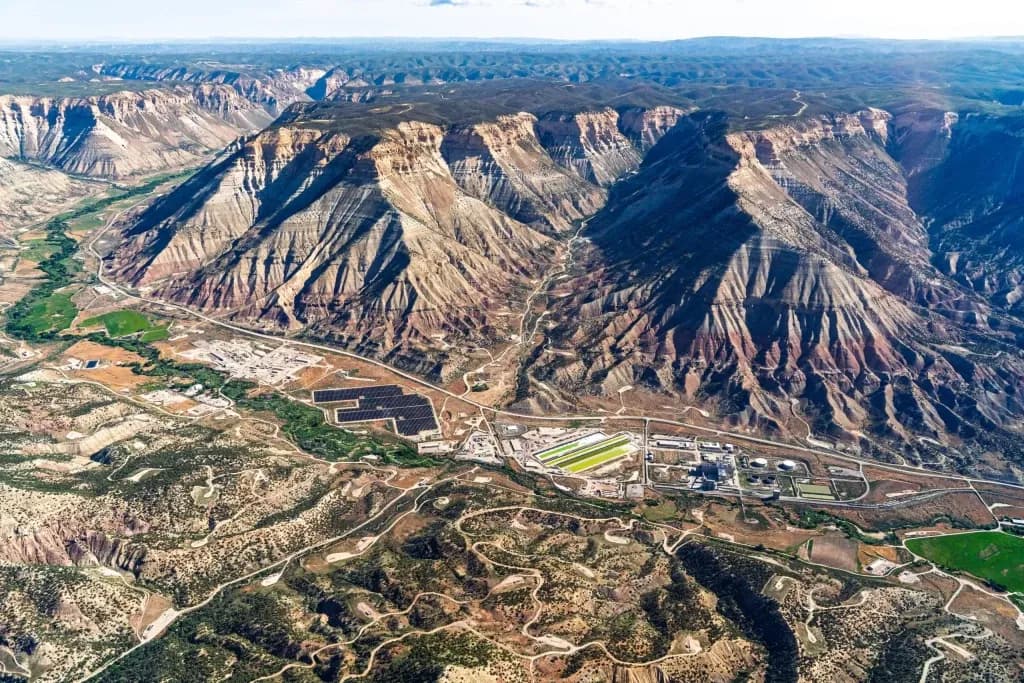
BLM Clears 113 Roan Plateau Parcels for December 2026 Oil and Gas Lease Sale
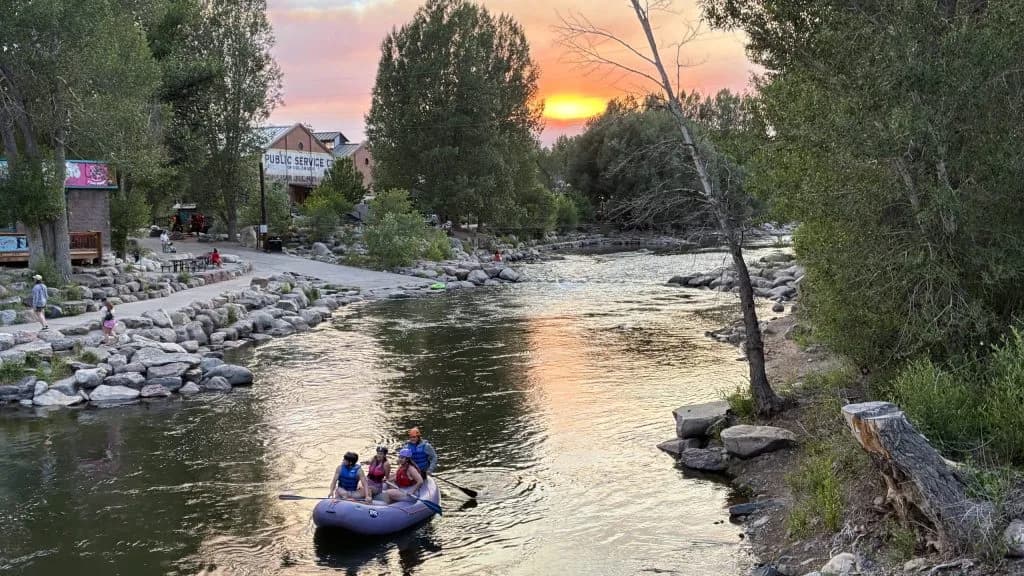
Southern Colorado Releases 2,500 Acre-Feet to Save Drying Arkansas River
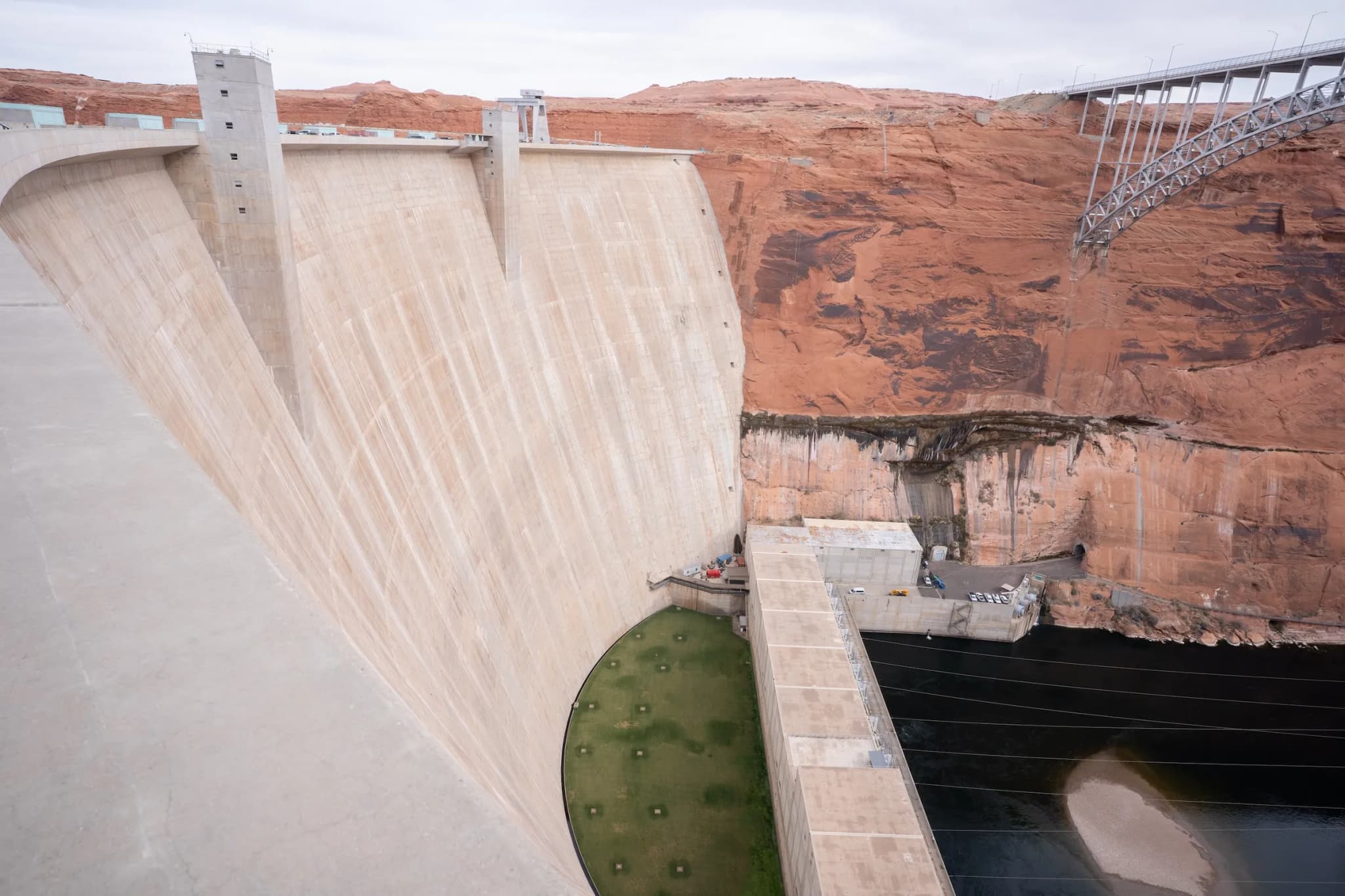
Federal Report Sets 200,000 Acre-Foot Water Conservation Target for Upper Basin

Colorado Parks and Wildlife Deploys Precision Drones for Weed Control