How Eagle County Lost Its Fourth of July Celebration
Eagle County's Fourth of July celebrations vanished due to broken coordination between towns, not a lack of interest. Tracing the decline from the 1926 McCoy rodeo to the silent 1950s.
Aspen —The McCoy community threw a rodeo on a Saturday in 1926. Several hundred folks from Eagle, Routt, and Grand counties showed up. They watched men ride bucking broncos and milk wild cows. The Eagle Valley Enterprise called it a "dandy neighborhood show and picnic." There was no rowdyism. Just wholesome amusement.
Then the celebrations stopped.
It didn’t happen all at once. It was a slow bleed. By 1936, the paper reported that for the first time in 25 years, there was no Fourth of July celebration anywhere in Eagle County. The old system had been simple. Red Cliff, Eagle, and Gypsum took turns hosting. McCoy always held its party the Saturday before, giving locals a backup plan if the main town’s event fell through.
Red Cliff quit first. Then McCoy gave up its pre-Fourth tradition a few years prior.
The result? Citizens were on their own. Some drove to Meeker. Others went to Aspen. The rest stayed home. The Enterprise noted that the "great majority of us will probably stay quietly at home."
It wasn’t just a lack of planning. It was a loss of community infrastructure.
Ten years later, in 1946, the paper lamented the absence. It wanted a fall harvest celebration to make up for the missing July 4th party. A barbecue. A flower show. All rolled into one. The paper argued this would be a "sure way to regain one’s health." It would cost the same amount of money and effort as losing it.
Probably we will skip it, the paper wrote.
By 1956, the silence was deafening. Steamboat and Dillon had events. Eagle County had nothing to report. The local paper didn’t even mention a county-wide celebration in its June 28 edition. The only mention of a local Fourth that year came a week later, and it was brief.
The pattern is clear. Eagle County didn’t just forget how to celebrate. It forgot how to organize.
Look at the geography. Eagle County is long and narrow. It’s not a single hub. It’s a string of towns — Red Cliff, Eagle, Gypsum, McCoy — each with its own rhythm. When the rotation broke, the momentum died. The paper in 1936 noted that Red Cliff "fell out of line." That’s the problem. One town drops out, and the chain reaction starts.
Today, we have Vail. We have Beaver Creek. We have big money and big events. But the core of the county, the rural parts, the towns that aren’t ski resorts; still struggles with that same fragmentation.
The 1926 McCoy rodeo wasn’t just about entertainment. It was about connection. It was about neighbors seeing neighbors. It served as proof that a community could pull itself together for a shared purpose.
When the rotation failed, the connection broke.
The Eagle Valley Enterprise in 1946 asked if we would let the fall slip by again. We did. And we still do.
The short version: Eagle County has a history of failing to celebrate its own birthday. Not because we don’t care. Because we can’t agree on who’s hosting.
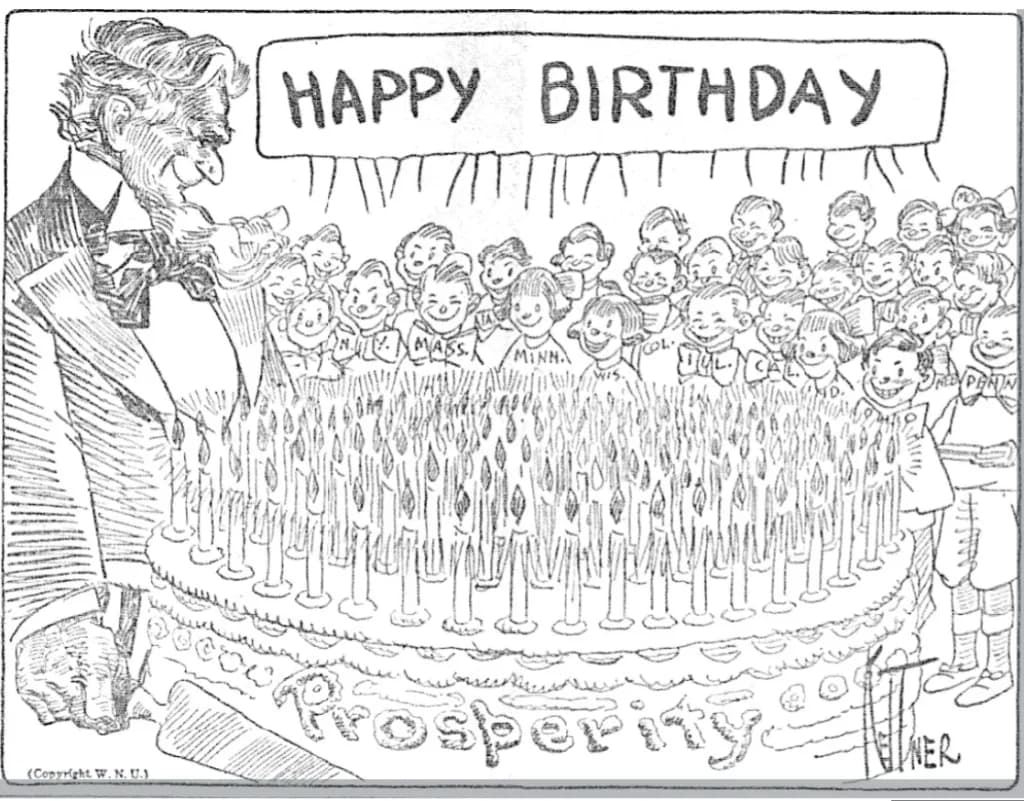
The 1926 report said everyone had a good time. The 1936 report said we’d stay home. The 1946 report said we’d skip it.
The question isn’t whether we can throw a party. It’s whether we can coordinate one.
The data doesn’t lie. The celebrations stopped when the coordination did.
Keep up with Aspen
The day's Western Slope news, one email each morning. Free.
Aspen's ACES Returns Annual Harvest Party to Rock Bottom Ranch
Glenwood Ghostwalk Brings Frontier History to Life in Linwood Cemetery