How Small Colorado Theaters Keep Cultural Hearts Beating
Explore how historic and repurposed venues like the Mountaineer Theatre in Lake City and Creede Repertory Theatre serve as resilient community anchors, offering authentic cultural connections beyond Colorado's famous Red Rocks.
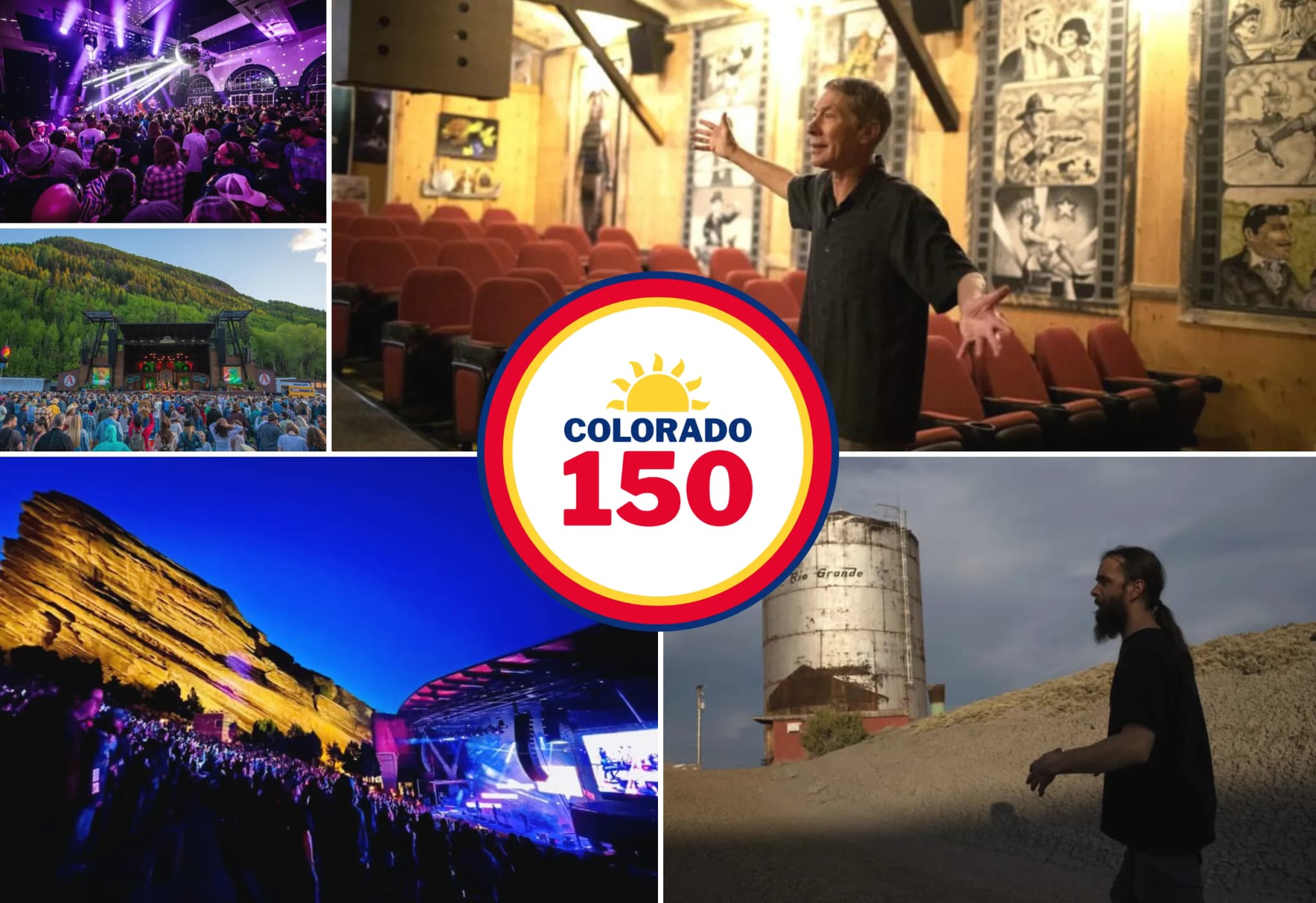
Colorado —There is a specific, heavy silence that falls over Red Rocks Amphitheatre just before the first chord strikes. It isn’t empty silence; it is thick with the scent of dry sage and the electric hum of thousands of people holding their breath, waiting for the rock itself to sing. That moment — the transition from the mundane world of highway exits and traffic cones to the sacred geometry of the Morrison limestone — is why we drive the extra miles. But if you think that singular, thunderous venue is the only reason Colorado’s arts scene breathes, you’re missing the quiet, stubborn pulse of the places that keep the lights on when the tourists leave.
Consider the Mountaineer Theatre in Lake City. It’s not a monument carved by the Civilian Conservation Corps in the 1930s; it’s a time capsule. You step inside and the air smells of old wood and dust, a sensory shift that transports you back to the golden age of cinema. It’s less famous than the red rocks, sure, but there’s a warmth to it that feels earned, not manufactured. It’s a place where the acoustics don’t need to be blasted out of a mountain slope; they just need to hold the story.
Then there’s Rangely’s Tank Center for Sonic Arts, a repurposed water tank where ordinary sounds become otherworldly. You can feel the history in the iron and the concrete, a stark contrast to the polished stages of Denver’s major theaters. These aren't just venues; they are community anchors, holding space for artists who might otherwise never find a stage.
Take Creede Repertory Theatre, for instance. The curtain first lifted there in 1966, born from the idea of a theater-loving pastor and the town’s Junior Chamber of Commerce who were desperate to stoke summer tourism during an era of decline for the local silver mines. It started small, five shows performed by twelve students who drove out from the University of Kansas; and has grown into an institution that employs around 75 artists and offers over 100 performances to nearly 20,000 patrons every year. When the last mine in Creede closed, the theater didn’t just survive; it thrived, becoming the town’s new economic engine.
If you look closely, you’ll see that these venues are more than just places to see a show. They are testaments to resilience. Red Rocks, with its towering peaks and distant view of Denver’s skyline, draws the crowds, but it’s the Mountaineer and the Tank Center that keep the cultural heartbeat steady in the smaller towns. They offer a different kind of spectacle - one that doesn’t rely on lightning across the Eastern Plains or built-in seats carved from stone, but on the raw, unfiltered connection between performer and audience.
The next time you’re driving down Highway 6 or winding up to Lake City, don’t just pass through. Stop. Listen. Let the hush settle over you. Because in those quiet moments before the show starts, you’re not just waiting for music or theater; you’re participating in something older and deeper than entertainment. You’re part of a tradition that has been holding the line for over a century, one performance at a time.
Keep up with Colorado
The day's Western Slope news, one email each morning. Free.


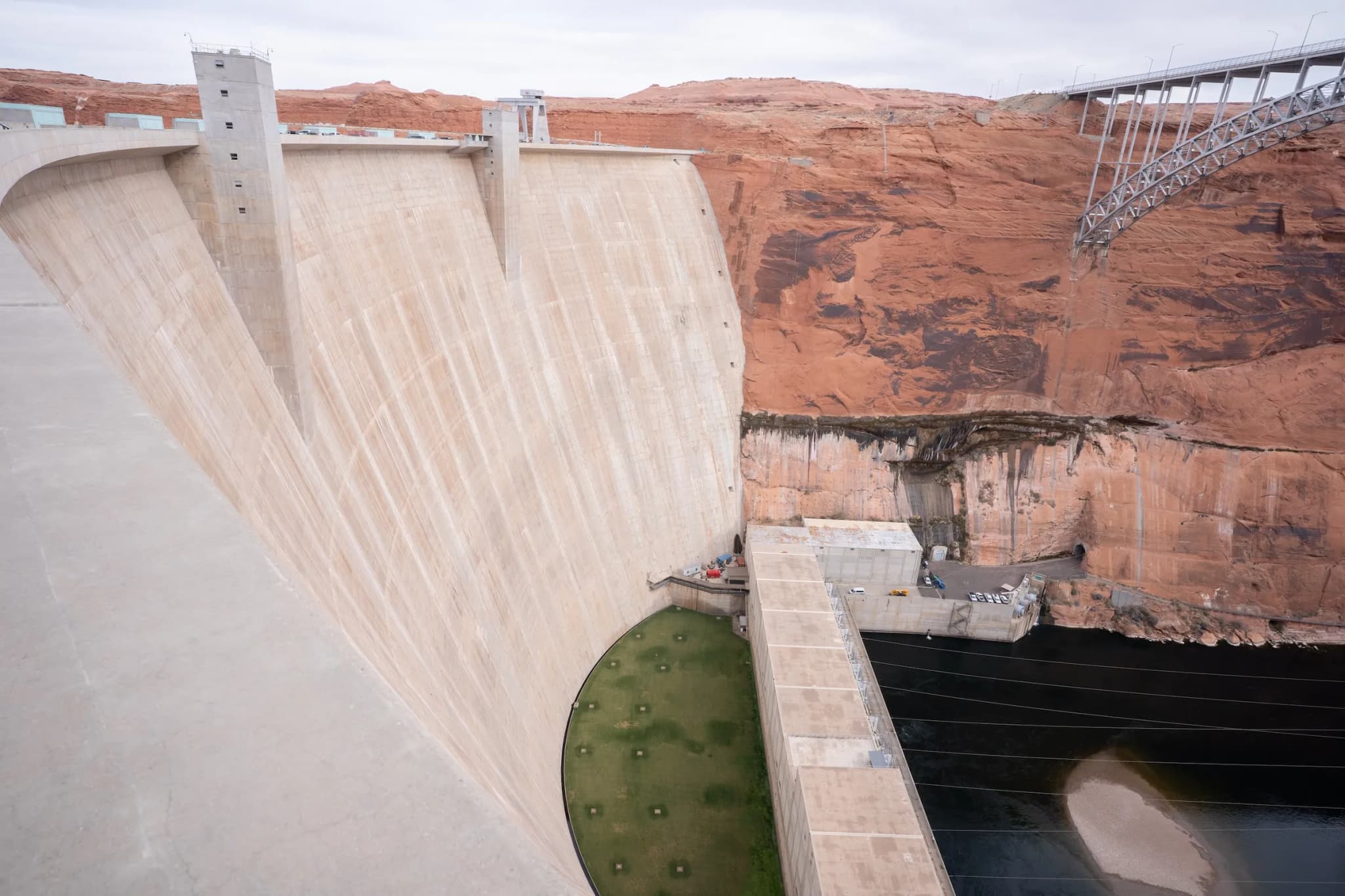
Federal Report Sets 200,000 Acre-Foot Water Conservation Target for Upper Basin
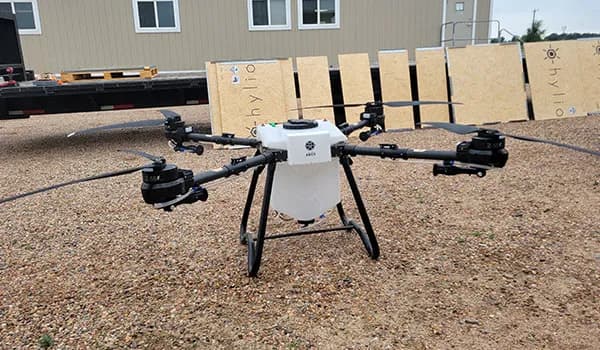
Colorado Parks and Wildlife Deploys Precision Drones for Weed Control