Ken Salazar Argues Climate Policy Would Anchor 2024 Bid
Former Interior Secretary Ken Salazar proposed climate change as a central pillar for a potential 2024 presidential run, contrasting his views with current federal environmental policies.
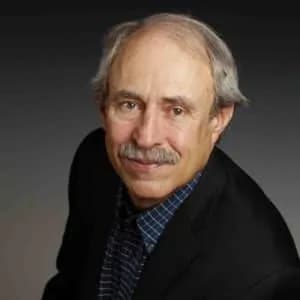
Steamboat Springs —The air in Arvada hangs thick with the dry, metallic chill of October, a sharp contrast to the warmth radiating from the stage where Ken Salazar stands. He is dressed in a turquoise bolo tie and Western boots, his head covered by a Stetson hat that has become as much a part of his silhouette as the man himself. Around him, forty to fifty people crowd into the room, a mix of neighbors and distant relatives, because in Colorado, even now, we are still one very big small town.
The Steamboat Pilot’s Big Pivots column asks a question that lingers in the back of every mind as we watch the federal government dismantle its environmental agencies: How might Ken Salazar have moved the climate change needle? In his new book, Borderlands: My Fight for an Inclusive America, Salazar says he had decided to seek the Democratic nomination in 2024. He argues that confronting climate change would have been the second major plank of his campaign, a direct counterweight to the current administration’s insistence that old technologies will be key to our future.
It is a counterweight worth examining, especially when you look at the Bureau of Reclamation’s plan for operating the Colorado River. Released several months ago, the document buries the phrase “climate change” so deep in its pages that you have to dig far into the text just to find it, and only there to respond to public comments that used those words. The Trump team has excised the phrase from the federal vocabulary, treating it as a political liability rather than a physical reality. Salazar’s hypothetical campaign would have embraced the enormous challenge and opportunities of this energy transition, rejecting the notion that we should all drive standard-transmission cars with land lines in our living rooms.
Salazar’s perspective is rooted in the San Luis Valley, near Manassa, where he grew up in a large family in a house with no power lines to deliver electricity. That early experience of isolation and resource scarcity shaped his political evolution, leading him from the Colorado attorney general’s office in 1998 to the U.S. Senate, and eventually to the Secretary of Interior under President Barack Obama. Under Biden, he served as ambassador to Mexico, a role that informed the cross-border unity he now champions. He describes a future of shared purpose, one driven not by language of differences but by an acceptance of unimportant ones.
He believes the United States could take the lead on “blunting and eventually reversing the ravages of climate change.” In his words, that effort wouldn’t just make the United States and Mexico safer; we would make all people everywhere safer. It is a broad, sweeping claim, but it resonates with the specific anxieties of folks on the Western Slope who watch their water levels drop and their fire seasons stretch longer each year.
The book tour has been fast-paced, a blur of events across the state. In Arvada, Salazar stitches history into his meandering soliloquies, telling stories of Colorado’s past like Governor William “Billy” Adams, a product of the San Luis Valley after whom Adams State College in Alamosa is named. He weaves these historical threads into a narrative of inclusion, suggesting that the political gridlock of today is a failure to recognize our commonalities.
If you look closely at the room in Arvada, you see a community that is tired of the shouting. They are here to listen to a man who spent decades in the halls of power, now speaking with the cadence of someone who has seen both sides of a border. The air is still dry, but there is a warmth to the conversation, a sense that even in an election year defined by rebuke and retreat, there is still space for a different kind of dialogue. Salazar stands at the edge of that dialogue, his Stetson casting a shadow over his eyes as he speaks.
Keep up with Steamboat Springs
The day's Western Slope news, one email each morning. Free.


Steamboat Real Estate Week Hits $22.6M With Maloof's $10M Purchase
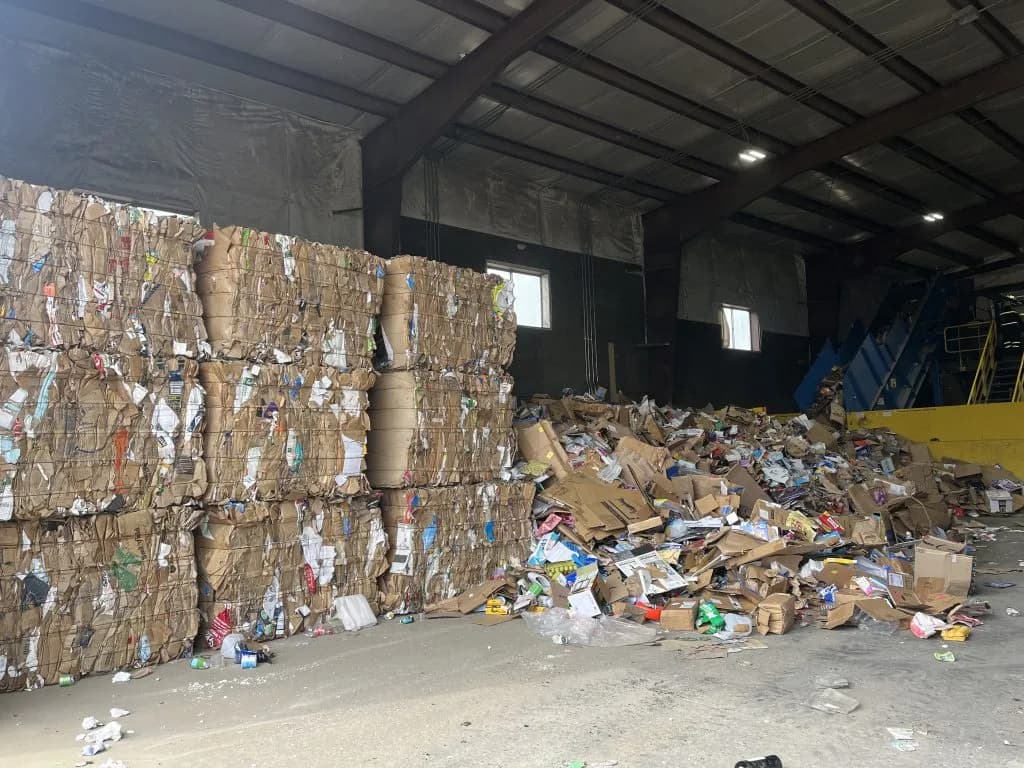
Steamboat Residents Save on Apex Bills as Colorado EPR Law Takes Effect