Steamboat Residents Save on Apex Bills as Colorado EPR Law Takes Effect
Colorado’s new Extended Producer Responsibility law eliminates recycling fees for 70,000 households. Steamboat residents using Apex Waste Solutions will see their monthly bills drop as producers fund collection costs.
Steamboat Springs —Seventy thousand households. That is the number of Colorado homes currently paying for a service that, under new state law, producers should be footing the bill for.
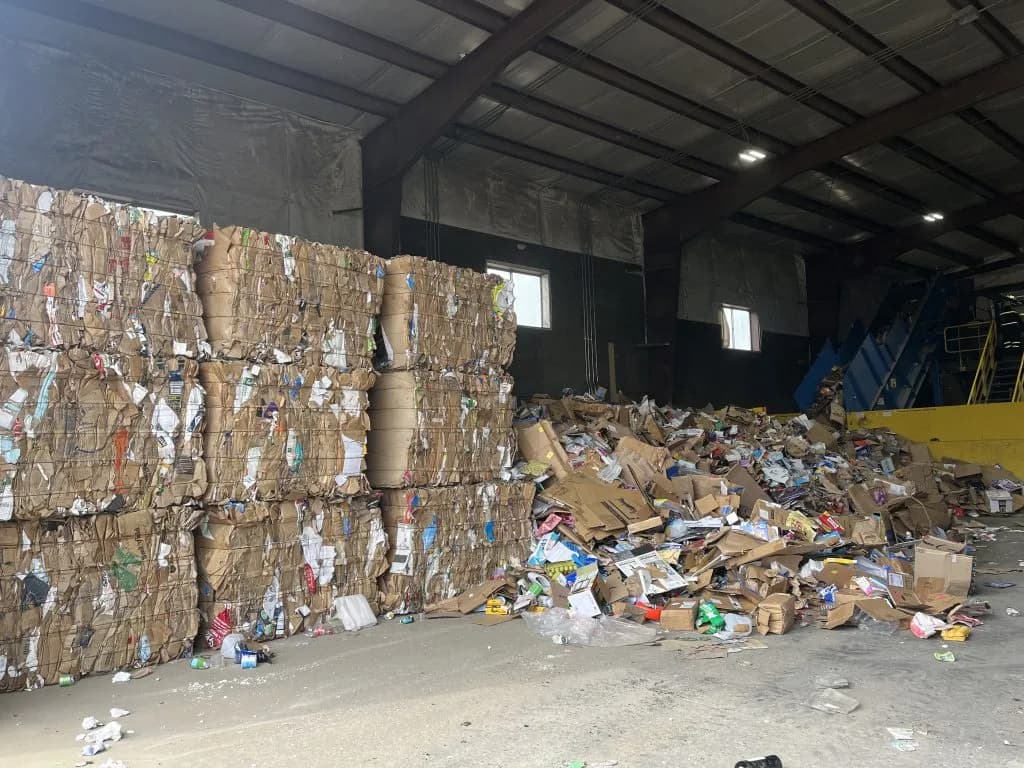
The Colorado legislature passed HB22-1355, known as Producer Responsibility for Recycling or Extended Producer Responsibility (EPR), in 2022. The logic is straightforward but often misunderstood by taxpayers who see a line item on their monthly utility bill and assume it’s an unavoidable cost of living. It isn’t. The Steamboat Pilot reported that under this framework, large-scale packaging and paper product producers will now fund the residential recycling system. If you throw away a plastic bottle, the company that made that bottle pays for its collection and processing. You don’t.
On paper, this sounds like a free lunch for consumers. In practice, it’s a structural shift that moves the financial burden from the end-user to the manufacturer. For locals in Steamboat Springs, this change lands directly with Apex Waste Solutions customers. The Pilot notes that recycling will automatically be free of charge for these households. If you are currently paying a separate fee to have your blue bin hauled, that line item disappears.
Let’s do the math on what this actually means for your wallet. The cost of recycling is not zero; it requires infrastructure, staff time to collect and sort materials, and ongoing education to keep contamination levels down. Historically, those costs were passed on to residents via monthly fees or bundled into general waste rates. Under EPR, the producer covers that infrastructure cost.
But there is a catch to the "free" label. The program expands the accepted materials in your bin, which means more items can go into recycling rather than the trash. The Steamboat Pilot points out that some local haulers offer smaller trash bin sizes for less money. If you successfully divert more material to recycling, you can potentially downsize your trash bin and save even more. It’s a double dip: the recycling surcharge vanishes, and your trash bill shrinks because you’re throwing away less.
The state isn’t just looking at household savings; it’s chasing diversion rates. According to the Colorado Department of Public Health & Environment, the EPR program plan aims to increase the paper and packaging recycling rate to 58% by 2035. That is a massive jump from current baselines in many parts of the state, including rural and semi-rural areas where access to recycling has historically been spotty or non-existent.
The environmental payoff is projected to be significant, though the timeline is long-term. By 2035, EPR in Colorado is projected to reduce landfill waste by 410,000 tons annually. It also aims to avoid 1.3 million metric tons of greenhouse gas emissions each year, a figure the state equates to removing 278,000 cars from the road. For a region like ours, where trucking distances to processing facilities can be long, reducing the volume of material that needs to be hauled matters.
However, the program currently pertains solely to the residential sector. Commercial waste is not included yet. And while the recycling charge drops, your total utility bill won’t necessarily plummet if you don’t change your habits. The Pilot suggests that residents follow their hauler’s guidelines strictly to maximize what goes in the bin. Contamination still costs money, and if your recycling is dirty, it gets landfilled anyway, negating the benefit.
For those looking to push their impact further, the Pilot highlights local options like See Me Compost for food scrap collection. Since EPR doesn’t cover organics yet, directing your savings from the eliminated recycling expense toward a compost service could be a logical next step. You’re paying for something that wasn’t previously free, but you’re using money that was already leaving your pocket as a recycling fee.
The bottom line for neighbors in Steamboat and surrounding areas is simple: check your next Apex bill. The recycling fee should be gone. If it isn’t, ask why. And if your trash bin is half-empty because you’re finally recycling correctly, look at the option to shrink that bin. The producers are paying for the system now. Your job is to use it correctly so the savings stick.
Keep up with Steamboat Springs
The day's Western Slope news, one email each morning. Free.