Manny Rutinel Reverses Key Policies on Fracking and Student Debt
Congressional candidate Manny Rutinel shifts from bold progressive promises to pragmatic stances, reversing positions on fracking, student debt, and single-payer healthcare as he prepares for the November election.
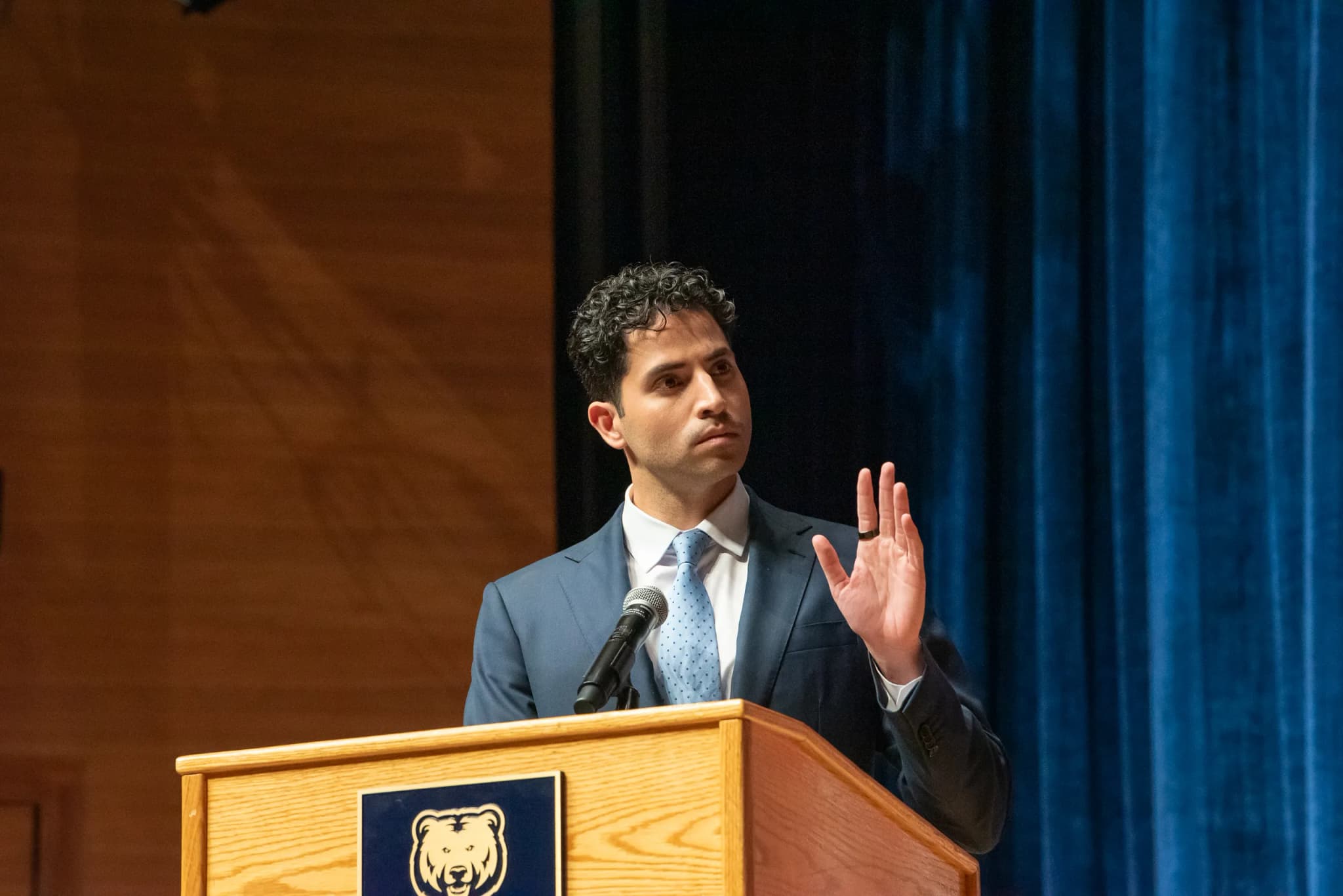
Colorado —The air in the Greeley community center still held the hum of that July recording, a digital ghost of a politician who sounded like he meant every word. Manny Rutinel, then just six months into his bid for Congress, sat before the Working Families Party and declared his faith in bold stances. He wanted to ban fracking. He wanted to cancel student debt. He wanted a single-payer healthcare system that would sweep away the complexities of the American insurance market. "I think people want someone with a lot of energy, enthusiasm," he told the liberal group, his voice carrying the weight of a candidate ready to shake up the status quo.
It was a specific kind of promise, one that resonated with the folks who had followed his rise from the Colorado House of Representatives to the 8th Congressional District race. But less than a year later, the man who once staked out those distinct, progressive positions has reversed himself on all three.
If you look closely at the ballot that will be mailed to voters in just a few days, the shift is stark. In a late May interview for a voter guide, Rutinel now opposes a ban on fracking. He no longer supports canceling all student debt, narrowing his focus to those in public service. And while he still backs a public health insurance option, he has stepped back from the Medicare for All label that defined his earlier rhetoric.
Deep Singh Badesha, a liberal commentator and consultant who used to call Rutinel a friend, felt the change in his bones. Writing in a Substack post that included the original endorsement recording, Badesha captured the disorientation many locals feel when their representatives pivot so sharply. "The Manny I knew in 2022 was worth fighting for," Badesha wrote. "The candidate running in 2026 is someone I don’t recognize. He traveled the distance between those two people in a few years, on nearly every issue that matters."
The shift hasn't gone unnoticed by the donors who backed him. Badesha, once a fiercely loyal supporter, has asked Rutinel to return his campaign donations, citing the scale of the reversal. It’s a personal cost, a tangible rejection of the political journey they had shared.
Rutinel’s campaign manager, Clay Volino, offers a different texture to the story. He argues that the fracking position didn't flip out of thin air; it shifted because of the war in Iran. "With Trump’s unplanned forever war raising gas prices for working families like his, Manny knows an all of the above energy solution to help lower energy costs is more important than ever," Volino said. It’s a pragmatic argument, grounded in the rising cost of living that neighbors feel at the pump. Volino also clarified that the student debt position hasn't actually changed, just narrowed — it’s consistent support for public service workers, not a blanket cancellation.
But there’s a warmth to the explanation that feels thin when you weigh it against the original promise. Volino didn't explain the move away from single-payer healthcare, leaving that piece of the puzzle hanging.
The result is a candidate who seems to be navigating a tightrope between his progressive base and the broader electorate that needs to vote in November. You can feel the tension in the details — the specific mention of "working families" repeated like a mantra, the pivot from "banning" to "all of the above," the narrowing of debt relief to a specific subset of workers. It’s a campaign built on adaptation, on reading the room of a nation in flux.
Outside the Greeley venue, the light was fading on that July afternoon, casting long shadows across the campus. The recording played on, a loop of certainty in a world that is becoming increasingly uncertain. Rutinel is still running. He is still asking for votes. But the man in the recording is different from the man on the ballot now, and the distance between them is measured in policy reversals, in returned donations, and in the quiet question of whether energy prices and wars abroad are enough to justify leaving your old principles behind.
Keep up with Colorado
The day's Western Slope news, one email each morning. Free.
Steamboat Recommends E-Motorcycle Education to Clarify Rules
BLM Clears 113 Roan Plateau Parcels for December 2026 Oil and Gas Lease Sale
Southern Colorado Releases 2,500 Acre-Feet to Save Drying Arkansas River
Federal Report Sets 200,000 Acre-Foot Water Conservation Target for Upper Basin
Colorado Parks and Wildlife Deploys Precision Drones for Weed Control