Maroon Bells E-Bike Fee Jumps to $5 Amid $300K Deficit
The Maroon Bells now charges a $5 fee for e-bikes as the Forest Service addresses a $300,000 annual deficit, with Pitkin County set to take over management in 2027.
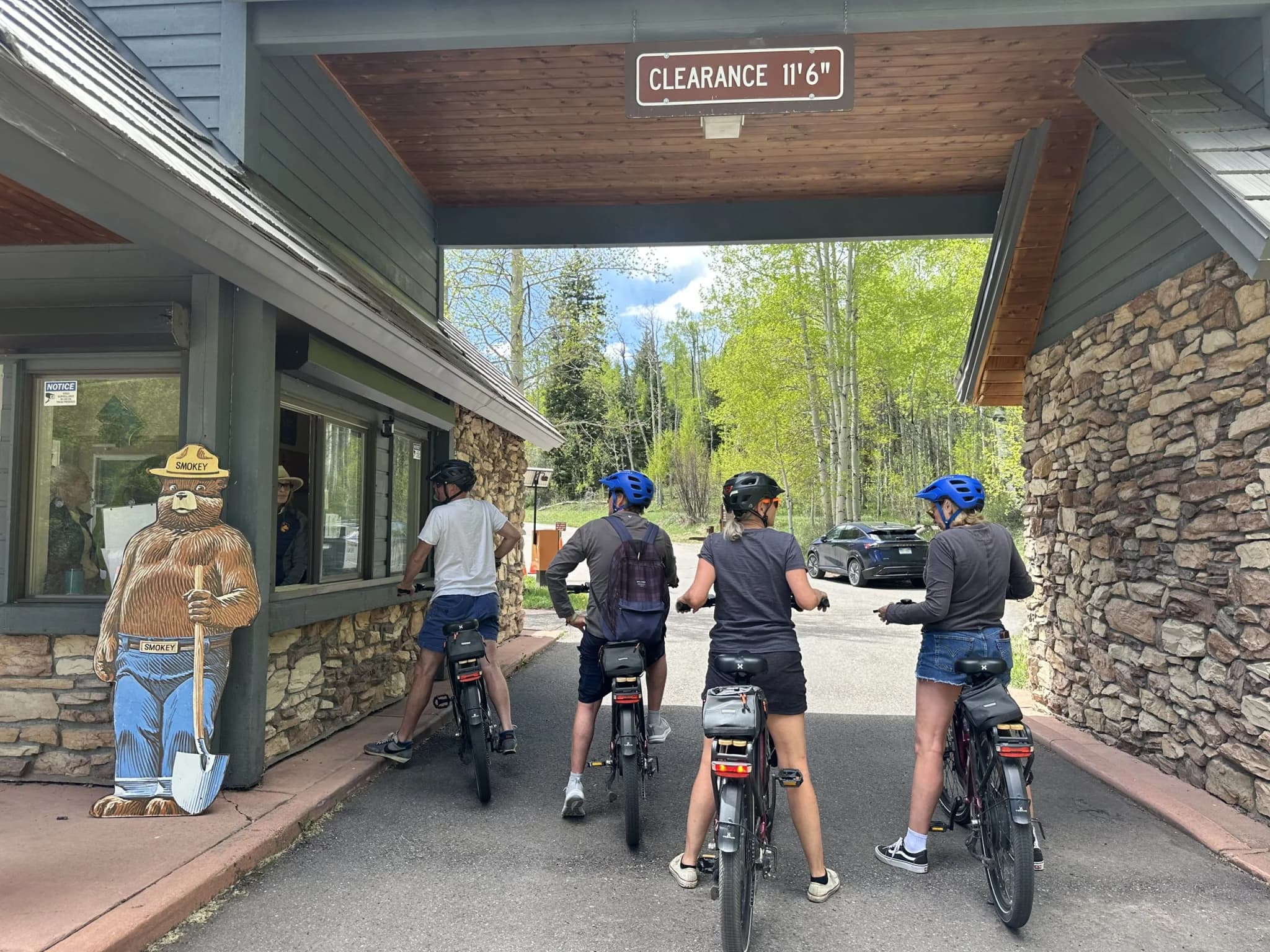
Gunnison —The gravel crunches under tires that hum with a low, electric whir. It’s 9:00 a.m. on Maroon Creek Road, and the line of e-bikes is already forming, stretching back toward Aspen like a metallic ribbon. You hand over your cash or tap your card at the kiosk. Five dollars. That’s the price of admission now for the privilege of pedaling up to the postcard-perfect peaks of the Maroon Bells.
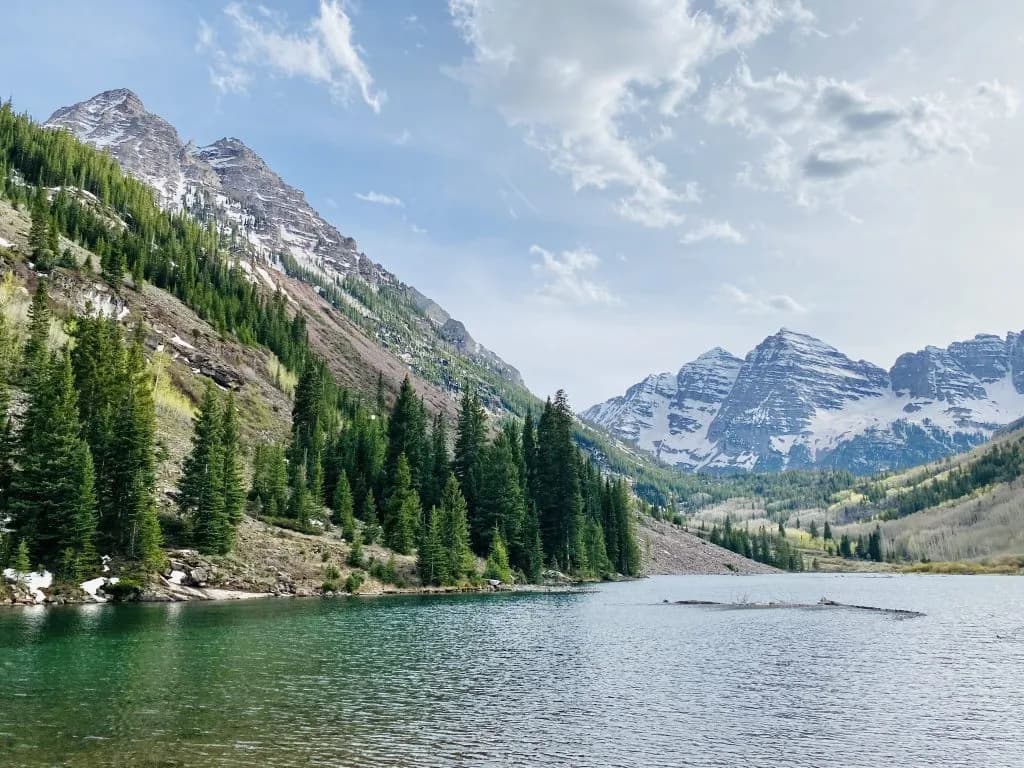
It sounds like pocket change. It’s the same fee motorcycles pay under Forest Service policy, which classifies these electric-assist bikes as motorized vehicles. But five dollars is just the tip of the iceberg. It’s a signal flare, shooting up from the White River National Forest to tell locals and visitors alike that the old days of free-for-all access are over. The Maroon Bells, attracting nearly 200,000 visitors a year, are entering a new era of recreation management, and the bill is coming due.
Here’s the thing though: that $5 fee is expected to generate only about $40,000 annually. It’s not enough to fix the bleeding. The real story is the deficit. Forest Service officials recently sat down with Pitkin County commissioners and laid out the numbers. The scenic area operates at an annual deficit of roughly $300,000. That’s right. For every dollar the county and federal government pour in, they’re losing money.
Kendra Head, the recreation manager for the Aspen-Sopris Ranger District, didn’t mince words when she told the commissioners why the status quo is breaking. “Budgets are tight across the forest and we need to change management strategies,” Head said. “It’s easier for you all to increase prices than it is for us.”
And that matters because it reveals a structural crack in how we manage our public lands. Federal restrictions on fee increases have left the Forest Service handcuffed. They can’t just raise the $10 parking pass or the $16 shuttle ticket to cover costs. They’re also stuck with chronic hiring challenges. So, they’re looking at handing over day-to-day operations to Pitkin County beginning in 2027.
Picture this: a local government, funded by your property taxes and sales tax, stepping in to manage a federal asset. Will Roush, executive director of the Roaring Fork Valley’s Wilderness Workshop, sees it as both a warning and an opportunity. He called the new fee “yet another example of the insidious and erosive degradation of our public lands under this administration.” But he also noted that Pitkin County is lucky to have the resources to step up. “Not every place has a Pitkin County with the resources to step in and protect a critical landscape,” Roush said.
The pressure is visible on the ground. On May 15, opening day, a steady stream of riders rolled through the entrance gate. By late morning, staff had already counted more than 20 e-bikes climbing toward the iconic peaks. Last year, more than 8,000 e-bikes used the road. The volume is there. The wear and tear is there. The funding isn’t.
For now, you pay your five bucks. You climb. You look down at the valley floor and see the traffic, the shuttle buses, the lines of people waiting to pay their own entry fees. The Bells aren’t going anywhere, but the way we access them is changing. And if the county takes over, that five-dollar fee might just be the first of many adjustments to keep the lights on in America’s most famous scenic spot.
Keep up with Gunnison
The day's Western Slope news, one email each morning. Free.