Max and Helen’s Diner Partners Bring LA Success to Aspen Food & Wine Classic
Everybody Loves Raymond co-creator Phil Rosenthal and partner Nancy Silverton bring their hit LA diner concept to Aspen for a special seminar at The St. Regis.
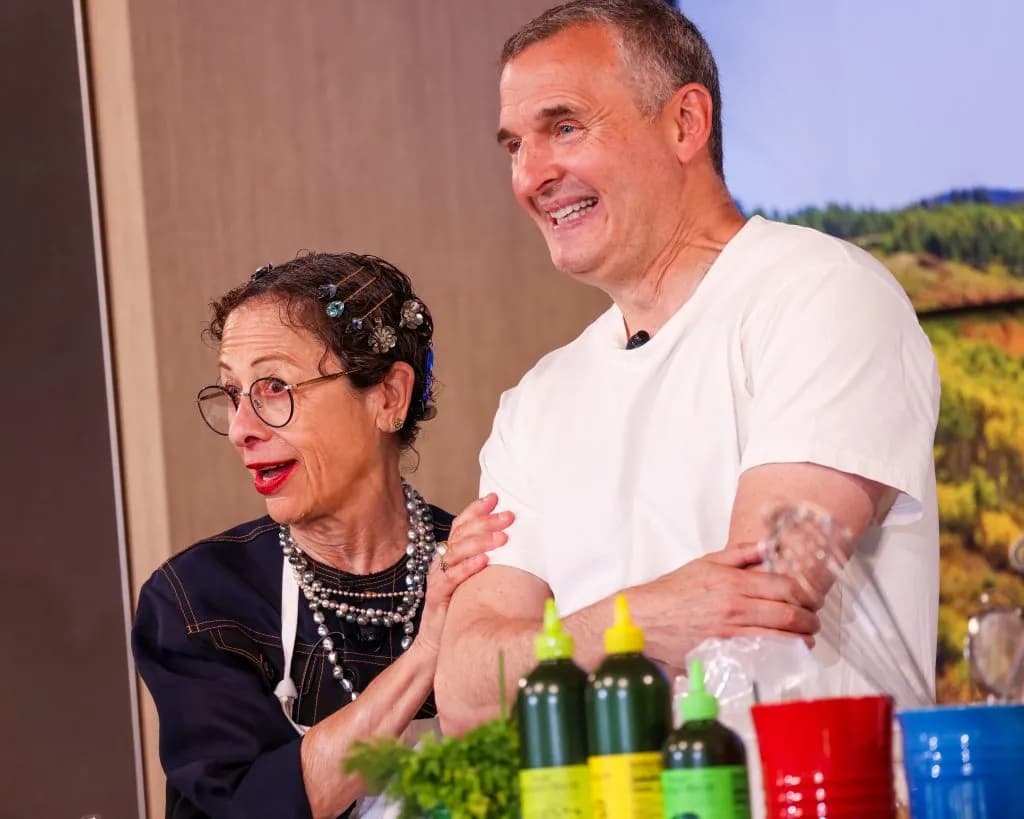
Aspen —“Listen, you’re never going to find a luckier guy than me. That’s how I feel.”
Phil Rosenthal says it with the kind of enthusiasm that makes you want to believe him, even if you’re just a reporter sitting in a quiet room, listening to a voice crackle through a phone line. He’s talking about his life, his career, and the strange, delicious orbit he’s found himself in. It’s a good life. A lucky life. And this weekend, that luck is landing right here in Aspen for the Food & Wine Classic.
Rosenthal is returning to the mountain town he clearly loves, but the context has shifted. He’s not just the host of the streaming hit Somebody Feed Phil anymore, nor is he solely the co-creator of the beloved sitcom Everybody Loves Raymond. He’s now a proprietor. He’s a partner in Max and Helen’s Diner, the white-hot Los Angeles eatery that has locals and tourists alike lining up for hours, waiting for a seat.
The diner is a family affair, which feels like the natural evolution of a man who built a career on the warmth of the American living room. His daughter, Lilly, is the hostess extraordinaire. His son-in-law, Mason Royal, is the chef. And sitting alongside them in the founding quartet is Nancy Silverton, the four-time James Beard Award winner and co-owner of the Mozza Restaurant Group. They’re gathering on Saturday at The St. Regis for a seminar titled “Short Orders, Big Flavor: Recipes from Max & Helen’s, LA’s Hottest Diner.”
Picture this: a line wrapping around the block in LA. Now picture that same energy, that same culinary curiosity, transplanted to the high-altitude air of Aspen. There will be a line there, too.
I’ll admit, I hadn’t really watched Somebody Feed Phil until I was tasked with writing about this. I spent an April binge-watching clips on YouTube, trying to understand the man behind the microphone. I found myself riveted by a segment in Cork, Ireland, where Rosenthal sat in a small Japanese restaurant called Ichigo Ichie. He was eating tempura-fried seaweed for the first time, his face a mask of astonishment and delight. It wasn’t just about the food; it was about the openness to it. The show subtly reminds you to keep your mind and mouth open.
That curiosity translates to the screen. In one memorable scene, he’s in New York City at Salt Hank’s, devouring a French Dip sandwich. The accents are thick, the beef au jus is thicker, and the experience is visceral. When I told Rosenthal that the scene transported me back to my own religious experience at Al’s Beef in Chicago right before a Grateful Dead concert, he chuckled. “I’ve had that experience too!” he said.
It’s that shared humanity, that universal language of comfort food, that makes him tick. He’s ecstatic about Aspen. He genuinely appreciates the fortune that has allowed him to work with his family, to travel the world, and to turn a simple diner concept into a cultural phenomenon. He jokes that my description of his life as a culinary version of the ’70s TV show All in the Family is spot on.
And that matters because it’s not just about the burgers or the tempura. It’s about the connection. It’s about the fact that whether you’re in Los Angeles, Aspen, or a small town in Ireland, you’re still just hungry for something good. You’re still just looking for a seat at the table.
The line at Max and Helen’s isn’t just a queue for food. It’s a queue for community. And when Rosenthal and his team hit the seminar stage at The St. Regis, they aren’t just handing out recipes. They’re handing out a piece of that luck he talks about. You just have to be willing to wait in line to get it.
Keep up with Aspen
The day's Western Slope news, one email each morning. Free.

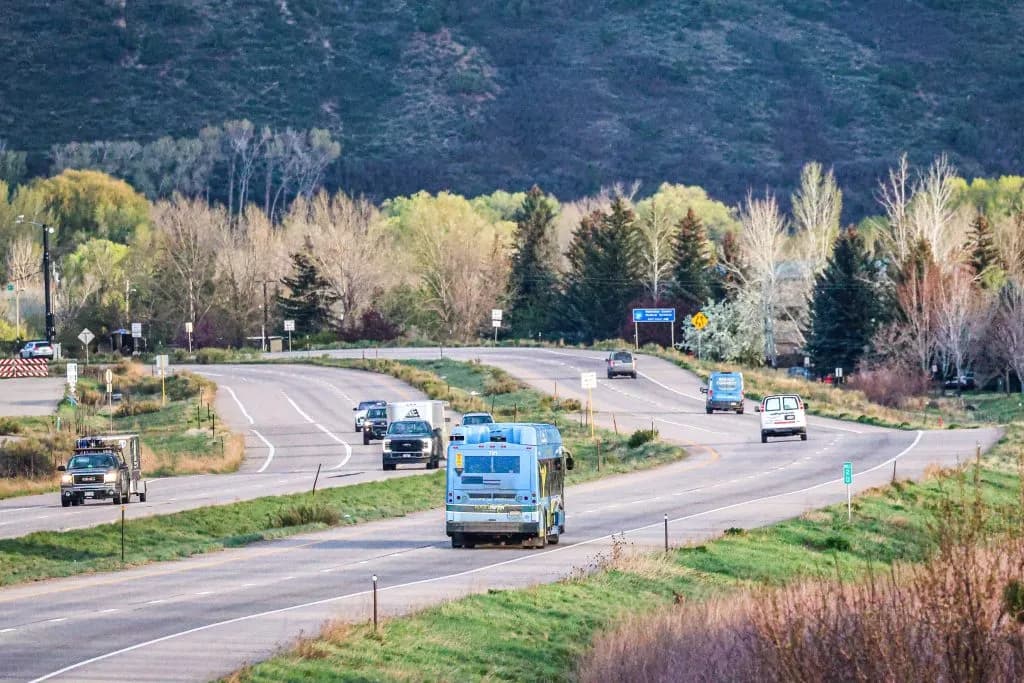
Roaring Fork Transportation Coalition Proposes HOT Lane to Ease Aspen Congestion
Eagle County Judge Receives Legacy Award for Mental Health Court Reforms