Memorial Regional Health Reduces Waste with Project CURE Partnership
Memorial Regional Health partners with Project C.U.R.E. to reduce medical waste and support global healthcare efforts by donating expired but still usable medical supplies.
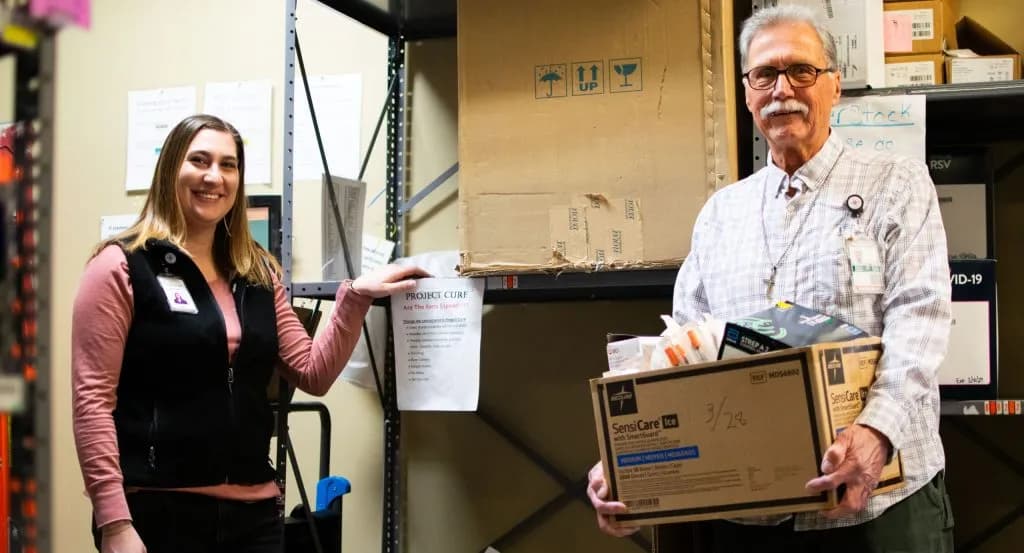
Craig —Memorial Regional Health is reducing medical waste by partnering with Project C.U.R.E. to donate expired but still usable medical supplies. The hospital's Materials Management department, led by Kara Soper, is responsible for managing inventory and minimizing waste. However, due to strict U.S. medical regulations, many supplies must be removed from use once they reach their expiration date, even if they still have practical value.
The partnership with Project C.U.R.E. allows MRH to extend the life of these supplies while supporting healthcare efforts globally. Project C.U.R.E. collects surplus medical materials, refreshes them when needed, and distributes them to hospitals and clinics in countries where access to medical supplies is limited. MRH donates an average of one large box of expired materials each week to Project C.U.R.E., which are then prepared for international distribution.
What's notable about Project C.U.R.E.'s approach is their thoughtful distribution process. Instead of simply sending supplies, they assess the needs of the requesting country and ensure that the materials are sent to areas where they are truly needed. This approach resonates with Soper, who emphasizes that the materials MRH sends are not defective or unsafe, but rather removed from use due to regulatory requirements or packaging expiration timelines.
The cost of shipping these materials to Centennial, where Project C.U.R.E. is based, is covered by MRH. This partnership aligns with the hospital's mission to improve the quality of life for their community through patient-centered healthcare and service excellence. By donating these supplies, MRH is able to make a positive impact on healthcare efforts globally, while also reducing waste and minimizing their environmental footprint.
Make no mistake, this partnership is a significant step forward for MRH. The hospital is taking a proactive approach to reducing waste and supporting global healthcare initiatives. The fact that they are able to donate an average of one large box of materials per week is a notable achievement that reflects their commitment to this cause.
It's worth watching how this partnership evolves and the impact it has on healthcare efforts around the world. The short version is that MRH is reducing waste and supporting global healthcare, and that's a story worth telling. Read that again - MRH is making a difference, and it's not just about the hospital, it's about the people they are helping.
The partnership between MRH and Project C.U.R.E. is a win-win for both parties. MRH reduces waste and supports global healthcare initiatives, while the organization provides critical medical supplies to underserved regions. Project C.U.R.E.'s thoughtful approach to distribution ensures that the materials are being used effectively. As MRH works with this organization, they are able to make a positive impact on healthcare efforts globally.
As a local hospital, MRH's commitment to reducing waste and supporting global healthcare is commendable. The fact that they are able to make a positive impact on healthcare efforts around the world, while also minimizing their environmental footprint, demonstrates their dedication to their mission. This partnership is a shining example of how local organizations can have a global impact. In Moffat County, where MRH is based, this partnership is a point of pride. The hospital's commitment to reducing waste and supporting global healthcare initiatives reflects the community's values. The fact that MRH is able to donate materials that would otherwise be wasted is a reflection of their resourcefulness and dedication to making a positive impact.
The hospital's decision to partner with Project C.U.R.E. is a deliberate choice to reduce waste and support global healthcare. The fact that they are able to donate materials on a regular basis will have a lasting impact. MRH's commitment to this cause will continue to drive their efforts to reduce waste and support global healthcare initiatives.
In the end, it's not just about the hospital or the organization they are working with - it's about the people they are helping. The medical supplies that MRH donates may seem like a small thing, but to the healthcare providers and patients in underserved regions, they can be a lifeline. That's what makes this partnership so important, and that's what will continue to drive MRH's efforts.
Keep up with Craig
The day's Western Slope news, one email each morning. Free.

Glenwood Springs Closes I-70 Interchange for $14 Million Road Overhaul
Colorado's New Digital Warrant Law Forces Social Media Platforms to Act Fast