New Castle Highland Cemetery Historic Designation Unlocks Hidden Stories
New Castle’s Highland Cemetery received its historic designation, but the label brings stories, not funding. Explore how the designation impacts community research and maintenance for graves like Filomena Ross.
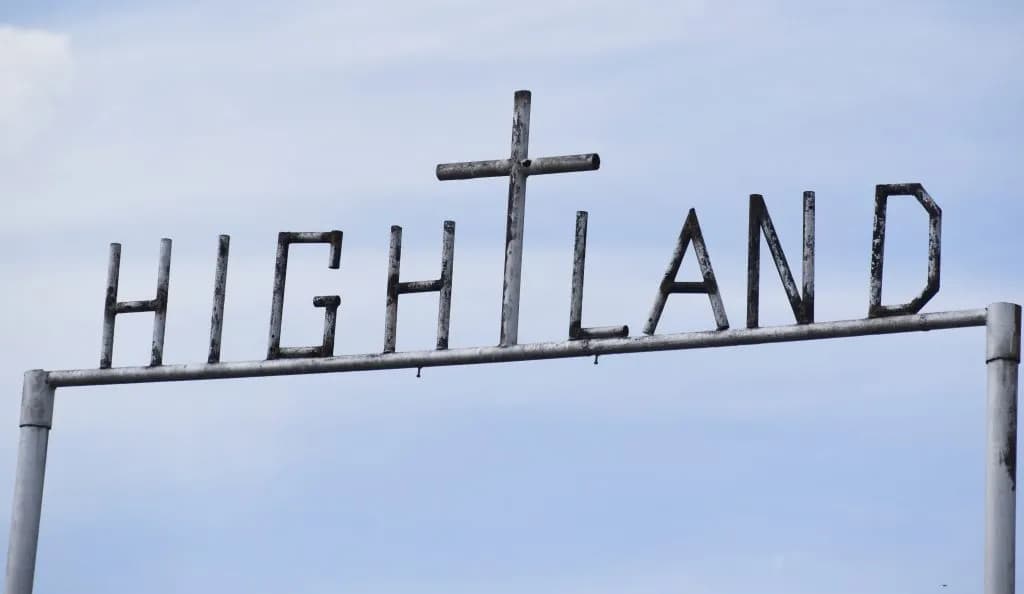
Rifle —It sounds like a bureaucratic victory lap. New Castle’s Highland Cemetery got its historic designation in November, a move assistant to the town clerk Michelle Huster called a “no-brainer.” The Town Council passed it immediately. No debates. No budget skirmishes. Just a stamp of approval on a plot of land that’s been holding the dead since 1889.
But let’s look at what that designation actually changes for the folks walking those gravel paths. It doesn’t fix the chipping yellow paint on the Ferguson cross, where glass shards are embedded in the earth. It doesn’t find the mystery grave with the sage bush growing through the fence. It doesn’t even bring back John Battista Garbolino, the 31-year-old who was the first person buried there, his marble headstone still standing in good condition 137 years later.
The designation is symbolic. The work is physical, and it’s messy.
Huster has been digging into the records, trying to link the names to the living. She’s looking for descendants of the unmarked. She’s tracking down the families of the murdered. Take Filomena Ross. She’s buried here with two of her children after her husband killed her. He never got charged because they tossed her body into the Colorado River, letting the current float her down to Rifle and decay the evidence. He moved to Los Angeles. They think he took the third child with him.
Why does it matter? Huster says it matters because we need to know what happened to Ross and that missing child. Maybe they had a family too. Maybe they’re sitting in a house in California right now, wondering about the woman buried in New Castle.
This isn’t just about old stones. It’s about the stories trapped between them.
There’s the preacher who died here. His wife married his brother — a common enough practice back then. She moved to Zimbabwe. Her child eventually came back to the U.S., walked into New Castle Town Hall, and asked if her father was buried here. They found him. They gave him a headstone. That’s the kind of connection the historic designation helps validate, even if it doesn’t pay for the stone.
Then there’s the Woodsman of the World member. Killed in a logging accident. His headstone is a tall tree stump carved from sandstone, leaves etched into the rock, lying flat over the base. It’s distinct. It’s local history carved in stone.
But for every story found, there’s a mystery. The fenced-off grave with the sage bush. We don’t know who’s in there. The bush wasn’t planted; it just started growing. Peculiar. Unresolved.
The designation might bring more visitors. Huster notes people come from all over because someone they loved is buried here. Karen S. Williams’ grave is made of petrified wood, polished to a gleam, decorated with leaves. It shines. It attracts eyes. But attraction doesn’t equal maintenance.
The town didn’t announce a new budget line item for cemetery upkeep. They didn’t promise to fix the glass-embedded graves or clear the overgrown plots. They just said, “This place is historically significant.”
That’s the reality. The historic designation is a label, not a labor contract. It tells you this place matters to the history of New Castle. It doesn’t tell you who’s paying to keep the glass out of the dirt or who’s funding the research to find the rest of Filomena Ross’s family.
The cost to the town? Likely zero in direct spending. The cost to the community? Time. Effort. The curiosity of neighbors walking in, looking at a tree-stump headstone, and wondering about the logging accident that killed the man beneath it.
That’s the value. Not the plaque on the gate. The stories. And the fact that we’re finally paying attention to them.
Keep up with Rifle
The day's Western Slope news, one email each morning. Free.