Red Canyon High School Retains 53 Graduates in Eagle River Valley
Red Canyon High School’s class of 2026 celebrated 53 graduates who are staying in the Eagle River Valley, reinforcing the local workforce and economy through alternative education paths.
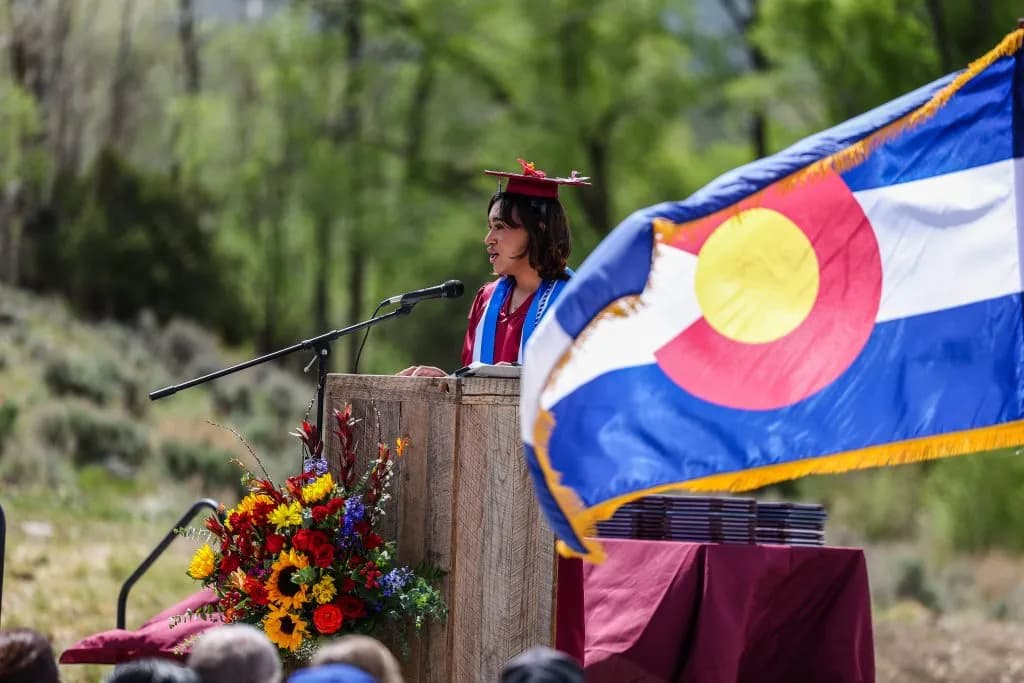
Aspen —Idaly Maldonado stood at the podium and gave the “Importance of Alternative Programs” speech. She didn’t just recite a script. She spoke to the reality of students who didn’t fit the traditional mold but still managed to earn their degrees.
That’s the story of the Red Canyon High School graduating class of 2026.
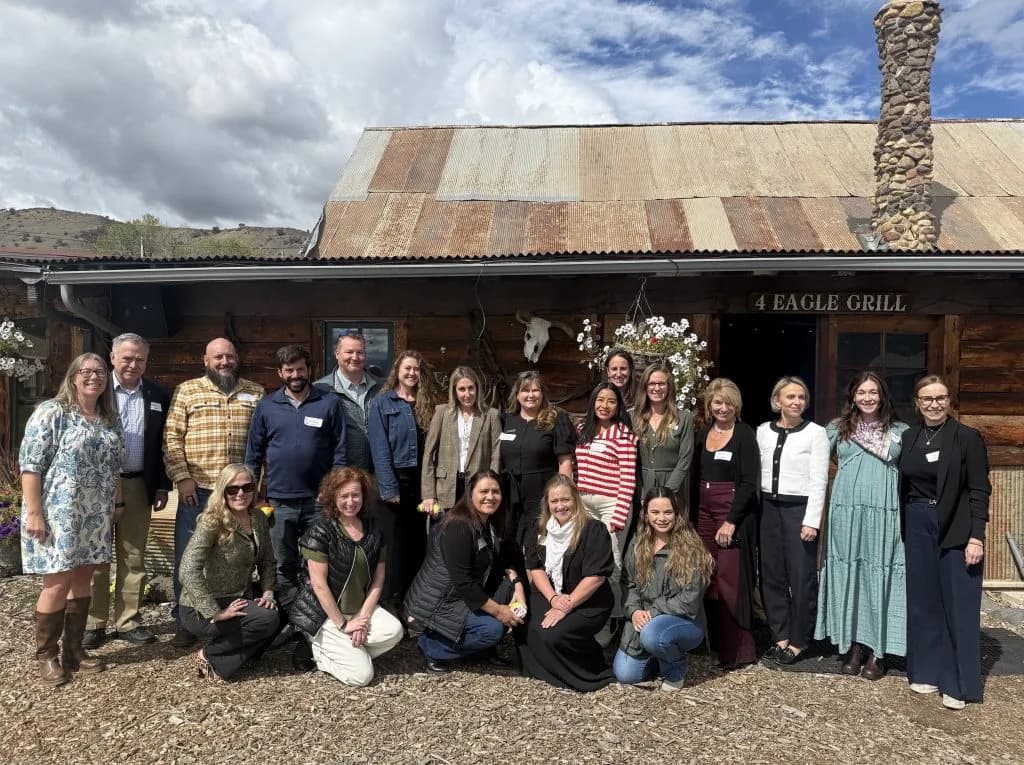
Fifty-three students walked across the stage. Thirty-two came from the Edwards campus. Twenty-one from Gypsum. Nineteen were online World Academy students. Four held High School Equivalency Diplomas. They gathered at 4 Eagle Ranch north of Wolcott for a ceremony that felt less like a corporate milestone and more like a community checkpoint.
Principal Monica Lammers, who is retiring after 26 years in Eagle County Schools, watched them go. Fourteen of those years were spent specifically at Red Canyon. She started teaching in the valley in 1999 at Eagle Valley Elementary. She knows the difference between seeing a kid once a year in the grocery store versus knowing their entire trajectory.
“I would say so only because of knowing the stories that the kids bring to the table,” Lammers said. “Knowing their lives, knowing what they’ve gone through.”
Let’s look at the logistics. The school didn’t start in a gleaming facility. It started in the early 2000s with a handful of students in old farmhouses. That was the site of what used to be June Creek Elementary, now the Edwards Early Learning Center. Teachers and students bounced between a church basement and a trailer down by the wastewater treatment facility.
The current building opened in Edwards in 2008. The Gypsum campus didn’t open until 2019. The infrastructure has stabilized. The students have evolved.
Lammers notes that many of these kids don’t leave. They don’t chase the “fly-out” demographic trend that plagues so many mountain towns. They stay. They join the local workforce. They go to Colorado Mountain College. They become the backbone of the Eagle River Valley’s economy.
“At the elementary level, you say goodbye to them, they move on to middle school, and then they may or may not remember you,” Lammers said. “At the high school level, though, it’s so cool to run into these kiddos in the community and they’re adulting.”
This isn’t just about graduation rates. It’s about retention. When a student stays in the valley, they buy a house. They pay property taxes. They work at the resorts or in the trades or at the hospital. They support the local economy. When they leave, the tax base shrinks. The workforce thins.
Red Canyon’s model — whether it’s the brick-and-mortar campuses or the World Academy online track — has kept these kids in the pipeline. It’s an alternative path, often for those who needed a different pace or a different environment, but it’s delivering results.
Lammers calls them the “workers of the future in this valley.” That’s not a poetic flourish. It’s a demographic fact. The valley needs people who understand the terrain, the climate, and the local industry. Red Canyon is producing them.
The ceremony at 4 Eagle Ranch was a celebration of that retention. It was a reminder that the “alternative” label doesn’t mean “lesser.” It means different. And in a place where housing is tight and the workforce is aging, keeping local kids local is the only strategy that makes financial sense.
The bottom line? These 53 graduates aren’t just leaving school. They’re staying put. They’re building the community that supported them through the farmhouses, the trailers, and the new campuses. That’s a return on investment for Eagle County Schools that goes far beyond test scores.
Keep up with Aspen
The day's Western Slope news, one email each morning. Free.
Aspen's ACES Returns Annual Harvest Party to Rock Bottom Ranch
Glenwood Ghostwalk Brings Frontier History to Life in Linwood Cemetery