Nordic Combined Removal Hits Steamboat Hard
The International Olympic Committee's decision to remove Nordic combined as a sport delivers a blow to Steamboat Springs, a town that has served as a primary talent factory for the discipline for decades.
Steamboat Springs —The decision landed on a Tuesday, and for the folks in Steamboat Springs who spend their winters jumping off hills and skiing across them, it was a gut punch.
Nordic combined has been removed as an Olympic sport.
The International Olympic Committee announced the change as part of the broader slate for the Alpes 2030 games, citing broadcast metrics and popularity indicators. But to hear Jill Brabec, president of Nordic Combined USA, tell it, the math behind the cut doesn’t quite add up to the heartbreak on the ground.
“It has been a rough morning, to say the least,” Brabec said. “When you get news that you don’t want to hear, it’s important to take a few moments and process it.”
The IOC’s reasoning was rooted in data: Nordic combined ranked lowest across most popularity indicators in Sochi, PyeongChang, Beijing, and Milan Cortina. It was the lowest-ranked discipline in 11 of the 14 metrics assessed at the most recent games. The committee also pointed out that the sport lacks gender neutrality, being the only Winter Olympic event that wasn't balanced between men and women.
But the real story here isn't just about TV ratings. It’s about a community that has poured generations into this specific, grueling discipline.
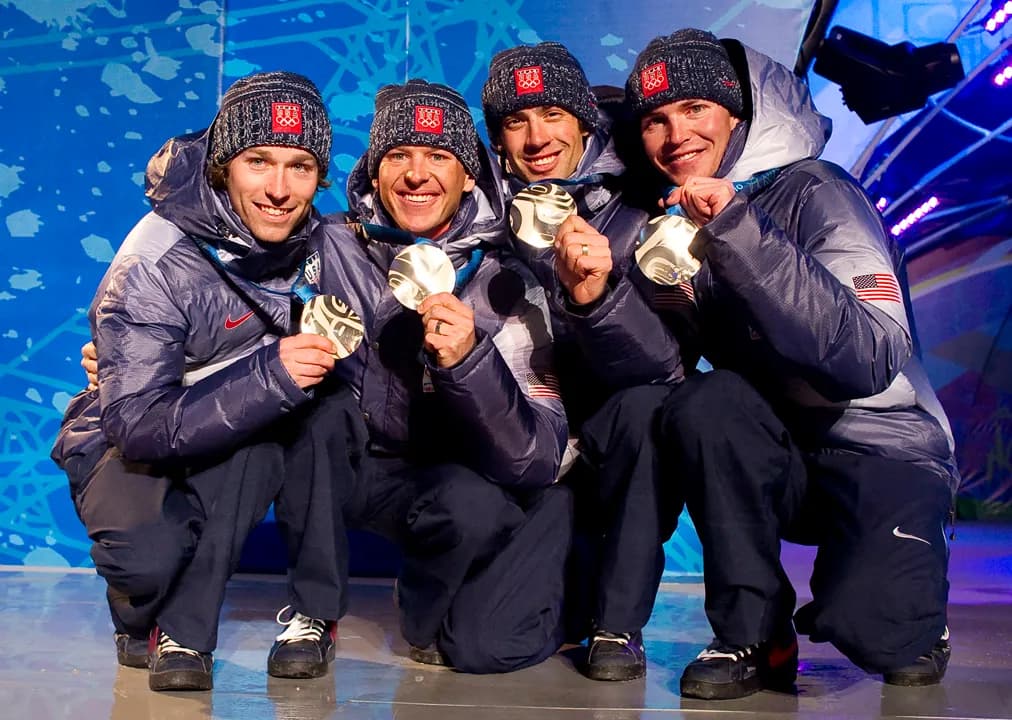
For decades, Steamboat has been a factory for Nordic combined talent. The last time a country outside the traditional five — Austria, Germany, Japan, Norway, and Finland — won a medal was Vancouver in 2010. The U.S. won four medals that year, represented by locals Todd Lodwick, Johnny Spillane, and Billy Demong, plus Brett Camerota. Spillane took three silvers; Demong took gold in the Individual Large Hill. They banded together for silver in the team large hill.
Lodwick, who made six Olympic appearances between 1994 and 2014, is a legend in these parts. But the hope was always that the sport would evolve, not vanish.
Nordic Combined USA had hoped the IOC would add women’s events rather than slashing the sport entirely. That optimism was bolstered by the rise of Alexa Brabec, Jill’s daughter. Alexa finished second in the entire 2025-26 World Cup season and posted a win in Seefeld, Austria, on Jan. 30.
“There was a lot of optimism leading up to the decision,” Jill Brabec said. “Alexa has her sights set on winning the World Cup this upcoming season.”
The timing was cruel. Just as the women’s game was gaining traction, the door closed.
The IOC stated it measures sports across 14 broadcast criteria, looking at coverage, digital media, public interest, ticketing, and press across 50-plus markets. But Brabec argues the criteria were vague. There was no sound measurement for deciding to cut or keep the sport, especially when the U.S. had just proven it could compete at the highest level.
“The IOC’s criteria for measurement were vague,” Brabec said. “There was no sound measurement for deciding to cut or keep the sport.”
The decision affects more than just the athletes. It ripples through the local economy, the schools that support the teams, and the identity of a town that prides itself on winter sports excellence. Steamboat isn't just a spectator town; it’s a training ground. The removal of the sport from the Olympics changes the incentive structure for young skiers in the valley. Do they still train for a discipline that might not exist on the biggest stage in four years?
The IOC noted that in the last four Olympic games, athletes from only five different nations had won Nordic combined medals. It’s a valid point about globalization of the sport. But it ignores the deep, institutional knowledge held by communities like Steamboat. It ignores the fact that the U.S. men’s team has been competitive, and now, with Alexa Brabec emerging, the women’s team is poised to break that same geographic monopoly.
The new International Ski and Snowboard Federation, which Brabec noted had just begun to implement changes, likely watched this unfold with concern. The sport has a future, but the Olympic spotlight is now dimmer.
For the athletes in Steamboat, the shift from Olympic contender to non-Olympic staple is a massive adjustment. It changes the funding, the media attention, and the legacy of every athlete who trains on the snow here.
“The question is whether the IOC’s focus on broadcast metrics captures the true value of the sport to its core communities,” Brabec said. “Or if they’re just chasing the next big market.”
The answer will determine if Nordic combined survives as a niche sport or fades into obscurity. For now, the community is left processing the news, looking at the hills, and wondering what happens next.
Keep up with Steamboat Springs
The day's Western Slope news, one email each morning. Free.