YVHA Cuts Income Requirements for 12 Steamboat Cottonwoods Units
YVHA lowers income thresholds for 12 units at The Cottonwoods to match buyer demand for larger homes, signaling a pragmatic pivot in the local housing market.
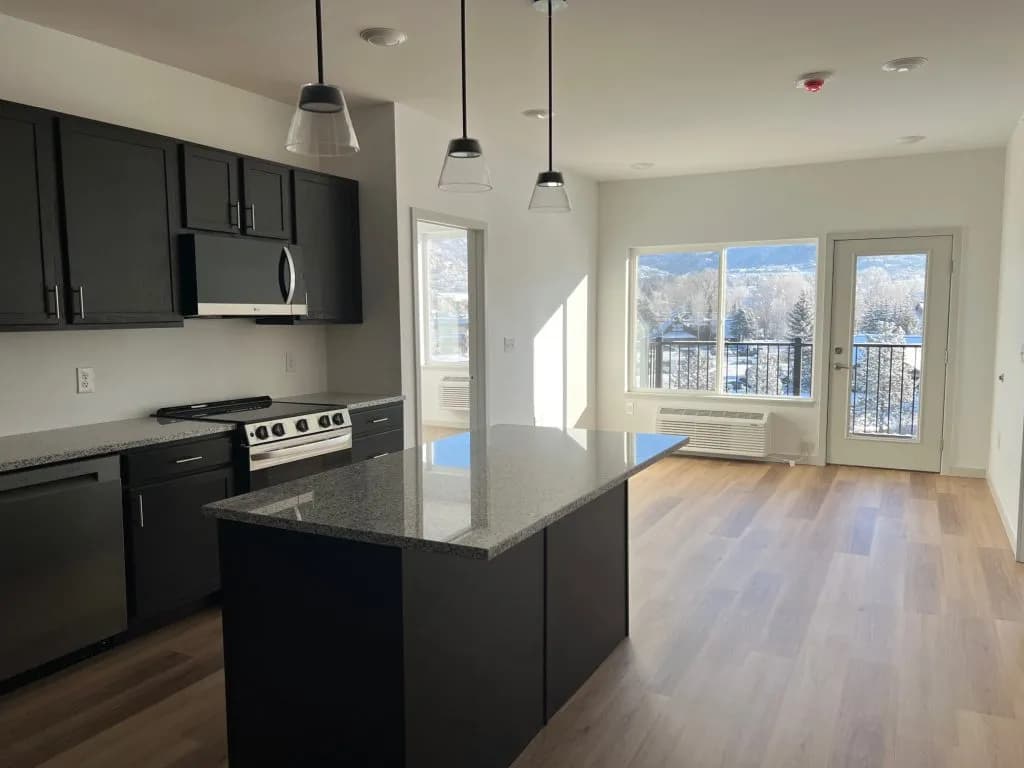
Steamboat Springs —The Yampa Valley Housing Authority is lowering prices to move units, but the real story is what that price drop reveals about the local housing market’s stubbornness. The authority is redesignating 12 for-sale units at The Cottonwoods at Mid-Valley. They are shifting the income requirements from 140% of area median income (AMI) down to a mix of 120% and 100% AMI.
This isn’t just a tweak. It’s an admission that the current pricing model isn’t working.
The Steamboat Pilot reported Tuesday that the decision follows a clear signal from buyers: they want more space, not just a cheaper entry point. The redesignated units include seven one-bedroom, four two-bedroom, and one three-bedroom unit. The housing authority is splitting the difference. Five of the one-bedroom units will drop from 140% to 100% AMI. The rest will settle at 120% AMI.
For a single person in 2026, the math is stark. At 140% AMI, the income threshold is roughly $136,000. Drop that to 120% AMI, and it’s $116,500. At 100% AMI, it’s $97,000. A two-person household faces similar shifts. The threshold drops from $155,000 to $133,000, and finally to $111,000.
“This is where the need is currently landing in our community,” YVHA Sales & Asset Manager Alyssa Cartmill said. “We are receiving that feedback and responding by doing what we can to get more people into affordable homeownership as soon as possible.”
The feedback is specific. People aren’t just looking for affordability; they’re looking for life stages. Council President Steve Muntean noted this during Tuesday’s Steamboat Springs City Council meeting. He called the situation a “learning experience” because it’s the first time the YVHA has had homes actually for sale.
“They’re going to have ownership now and they’re thinking about either getting married or having kids,” Muntean said. “So the interest or demand in [one-bedroom units is lower].”
Buyers are skipping the one-bedrooms. They want the room to grow. The group is responding by adjusting the income caps to make those larger units accessible to a broader range of earners.
The cost of this adjustment is $700,000. That number comes from YVHA Communications and Community Engagement Manager Laraine Martin. She explained the funding sources in a follow-up statement. $386,000 will come from remaining project funds — specifically from the city of Steamboat Springs’ original $10 million grant. The other $311,000 is identified in the housing authority’s budget as projected commissions from the sales of these 12 units.
Martin clarified that this isn’t cold, hard cash sitting in a vault. It’s a projection based on future sales. “YVHA will be contributing this amount from our development fund as further commitment to the project,” she wrote.
The board voted to move forward at its July 2 meeting. All members signaled support. The units will go through a new lottery process, similar to the one held in the spring after the development’s initial launch.
The short version: The market said one-bedrooms at the top tier weren’t selling. The authority listened. They cut the price. They’re betting that lowering the income barrier will unlock demand for the units people actually want.
It’s a pragmatic pivot. The initial funding crunch for Phase 1 is behind them. The city’s short-term rental tax revenue helped buy down the AMIs originally. Now, the authority is using remaining grants and projected commissions to adjust the product. It’s a direct response to buyer behavior. The question isn’t whether the units will sell. It’s whether the lower income caps will finally align with the reality of what a family in Mid-Valley can afford.
Keep up with Steamboat Springs
The day's Western Slope news, one email each morning. Free.