Northwest Colorado Health Integrates Behavioral Care for Seniors
Lilia Luna leads Northwest Colorado Health in integrating behavioral health into primary care, helping seniors in Craig overcome stigma and access vital mental health support.

Steamboat Springs —The silence in a doctor’s office can be heavy, thick with the weight of unspoken worries. For an older adult in Craig, that silence might just be the hum of the HVAC system, or it might be the space where a diagnosis of depression gets buried under the assumption that it’s “just getting older.” It’s a familiar rhythm here on the Western Slope, where the mountains loom large and the isolation can feel just as vast. We’ve all seen it: a neighbor who seems a bit more withdrawn, a relative who attributes their fatigue to the cold or the age itself, never suspecting that what they’re carrying is grief, anxiety, or early-stage dementia, not just the passage of time.
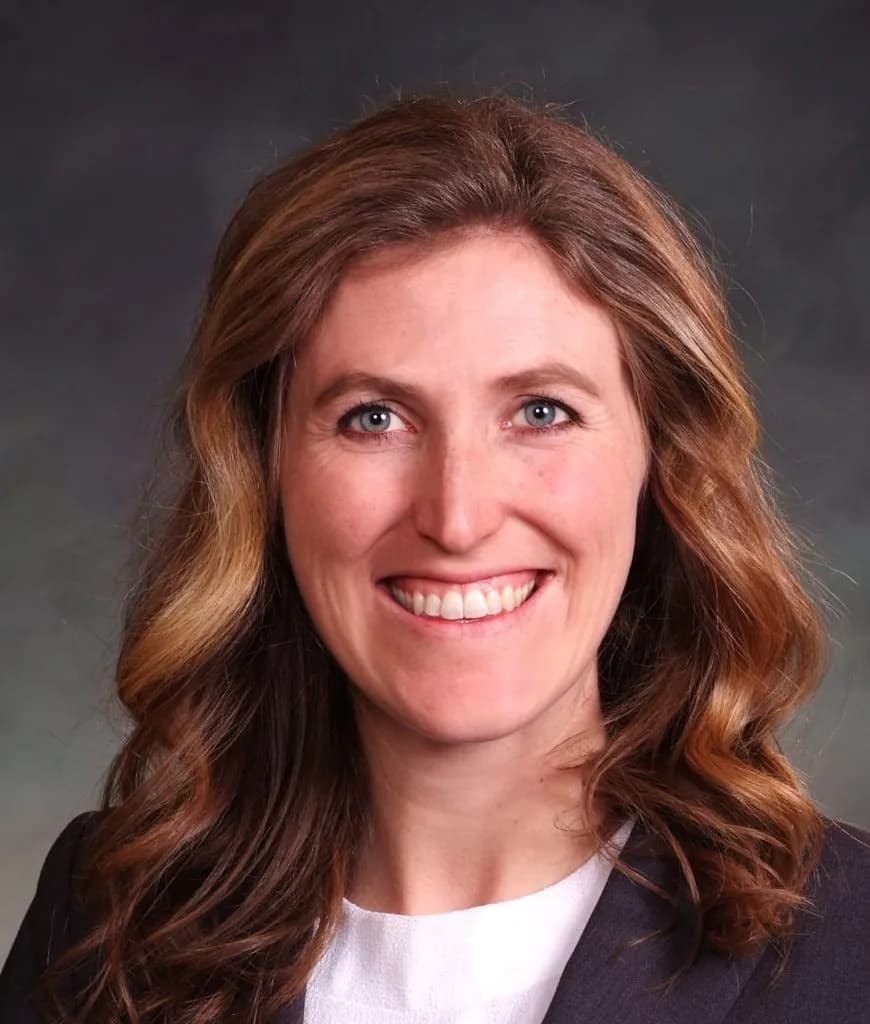
Lilia Luna, Psy.D., behavioral health director for Northwest Colorado Health, knows this landscape well. She sees how the community’s generational beliefs act as a barrier, a wall built from decades of “tough it out” mentality. “When we think about aging, we have to look at the whole picture — how someone’s body, mind and social life are all connected,” Luna notes. It’s a simple statement, but in a region where healthcare can feel fragmented, it’s revolutionary. Her team isn’t waiting for patients to figure out that their physical pain is actually emotional distress. They are actively dismantling the bias that chalks up struggles to normal aging.
Consider the statistics, which are stark enough to warrant a closer look. The American Psychological Association estimates that up to 20% of adults aged 65 and older experience mental health concerns. Yet, this population remains the least likely to seek specialists or be referred to therapy. SAMHSA reports that older adults account for higher rates of suicide than most other age groups, particularly men over age 75. That’s not just a number; that’s your uncle, your teacher, the guy who runs the hardware store. It’s a pattern of conditions going unrecognized and untreated, hidden behind a mask of physical symptoms or quiet resignation.
To combat this, Northwest Colorado Health has woven behavioral health providers directly into the fabric of primary care and dental clinics. It’s an integrated approach, one that acknowledges that you can’t treat the heart without considering the mind. Universal screenings for depression, anxiety, and suicidal ideation are now standard in clinics, in The Haven Assisted Living, and even in Home Health and Hospice programs. It’s a net cast wide enough to catch those who might otherwise slip through the cracks.
But access here isn’t just about insurance or proximity; it’s about practicalities. In rural Delta and Moffat counties, the barriers are tangible. Some patients struggle with reading health information, so providers use simple language and check that instructions make sense. Others deal with hearing loss or mild cognitive impairment, requiring providers to slow down, use large-print materials, and break information into manageable steps. And then there’s the digital divide. Not everyone can access care online, especially in rural areas, so phone and in-person visits remain vital. Transportation issues mean that irregular attendance often reflects a lack of a reliable ride rather than disengagement, prompting flexible scheduling and coordination with community resources.
There’s a warmth to this kind of care, but it’s also rigorous. The billing team talks openly about cost, working with patients to find affordable options, stripping away the financial anxiety that often keeps folks from seeking help. It’s about recognizing that a missed appointment might be due to a flat tire on the truck, not a lack of interest in getting better.
As the sun dips below the Elk Mountains, casting long shadows across the Grand Valley, the question isn’t whether the healthcare system is working, but whether it’s reaching the people who need it most. It’s about ensuring that when an older adult says they’re tired, they’re heard, not just dismissed. It’s about seeing the person, not just the patient. And in that seeing, there’s a chance for healing that goes beyond the physical, reaching into the quiet corners of the mind where so many of our neighbors have been waiting to be found.
Keep up with Steamboat Springs
The day's Western Slope news, one email each morning. Free.
NWRM CASA Honors Judge O’Hara and Founders at 15th Anniversary
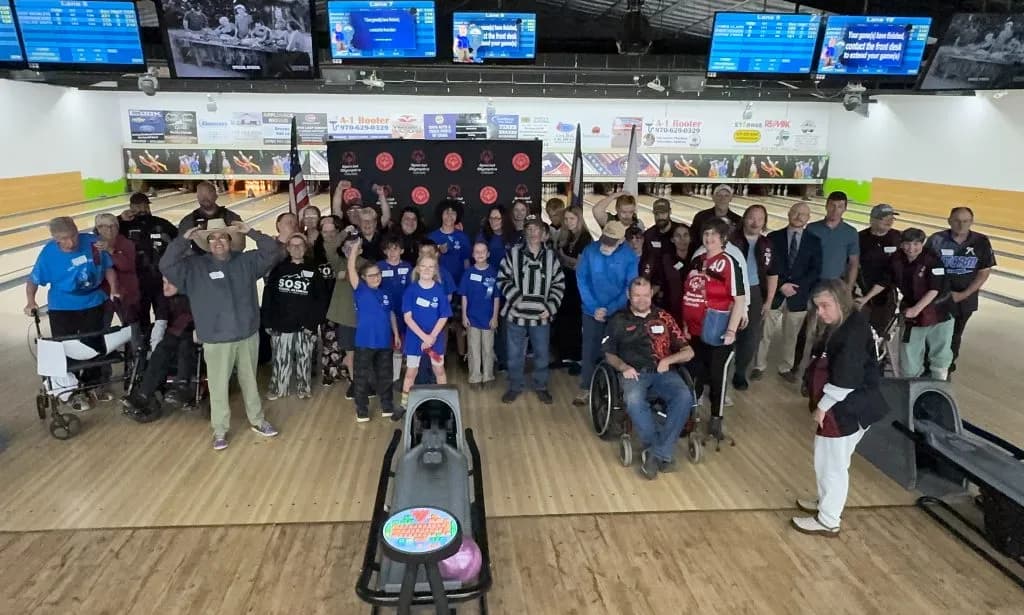
Craig Hosts Only Regional Special Olympics Bowling Competition