Oasis Management Blames Rob Katz for Vail Resorts Decline
Hong Kong-based Oasis Management filed an SEC complaint accusing Vail Resorts CEO Rob Katz of causing crowding, high prices, and strained local relations.
Aspen —The question hanging over the Vail Valley right now isn’t whether the snow will fall; it’s whether Rob Katz can still sell a ticket without making you feel like you’re paying a toll to enter a crowded room.
On Oct. 13, Oasis Management, the Hong Kong-based firm currently in a proxy fight with Vail Resorts, fired its most aggressive salvo yet. In a filing with the SEC, Oasis didn’t just criticize the company’s strategy; they blamed Katz directly for the very things locals complain about every summer. Crowding. High prices. Strained relationships with mountain town governments.
It’s a specific indictment. Oasis argued that Katz has provided "nothing but lip service" when they’ve met to suggest changes. They pushed back hard against Katz’s claim that weather caused recent earnings shortfalls. According to the filing, North American pass sales have declined for three straight years, suggesting a shrinking customer base rather than a bad season.
“Guests have contended with long lines, overcrowding and escalating food prices,” the filing stated. “The guest experience has stagnated for years.”
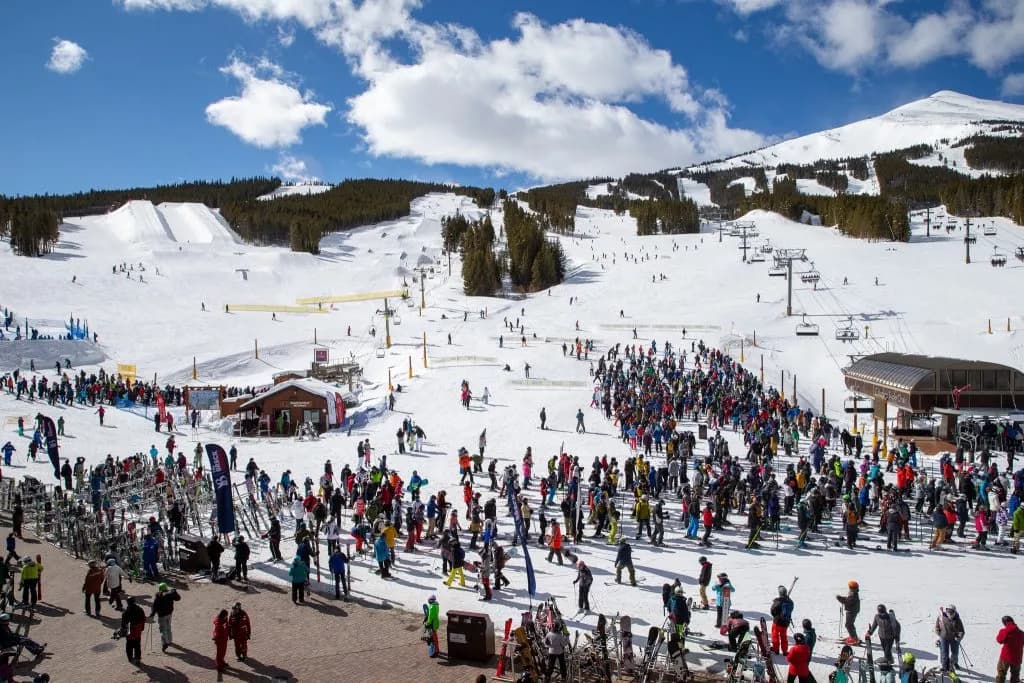
That language lands differently here. It’s not just corporate jargon about "customer retention." It’s the reality of standing in a lift line at Breckenridge or waiting for a table in downtown Vail while the price of a burger climbs. Oasis pointed out that the company’s effective ticket price has increased by roughly 45% since fiscal 2016, yet reported resort EBITDA per skier visit has only gone up 8%. In other words, you’re paying more, but the company isn’t making proportionally more money per visit.
The stock market seems to agree something is shifting. Vail Resorts shares have rallied in recent weeks on heavier-than-normal trading volume as investors try to gauge Oasis’s chances of forcing change. The filing notes that Vail Resorts directors have an average tenure of 11 years, a period during which the company’s performance has slipped significantly. Oasis argued that until August 2026, no independent director on the board had executive experience operating a hospitality or resort business.
The Vail Daily reached out to the company for comment but hasn’t heard back yet.
Stand there long enough and you start to see the pattern. The asset is still there — the mountains, the trails, the resorts. But the relationship between the operator and the community is fraying. Oasis is betting that shareholders will notice the disconnect between the premium prices and the stagnant experience. They’re betting that the "weather" excuse won’t hold up against three years of declining pass sales.
The proxy fight is really about control. Who decides how the resorts run? Who sets the prices? Who manages the relationship with the towns that host them? Oasis wants a board that can answer those questions. Katz needs to explain why the board, with its long-tenured members, hasn’t brought in new voices with direct resort experience. And he must address the strain with local governments, a factor Oasis says has damaged the company’s standing with guests, employees, and communities alike.
The vote is coming. Until then, the question remains: Is the price of admission worth the wait?
Keep up with Aspen
The day's Western Slope news, one email each morning. Free.

Craig Coal Mine Closes as Black Hollow Solar Opens

Battle Mountain Cross Country Teams Face High Stakes at Arvada Regionals