Ouray Mountain Rescue Team Recovers Climber on Mount Sneffels
Rescuers recovered Bret Bachman-Goldstein's body on Mount Sneffels five hours after dispatch, highlighting the critical importance of leaving a trip plan for solo climbers in the San Juans.
Ouray —A 32-year-old man died on Mount Sneffels. His body wasn’t found until the next day. The entire rescue operation took five hours. That’s not a disaster movie timeline; that’s a Tuesday morning in the San Juans.
Bret Bachman-Goldstein was an experienced outdoorsman who had climbed the peak several times, alone and with friends. His family said Sneffels was one of his favorite fourteeners. He moved to Montrose from Denver about five years ago. He loved hiking, climbing, running, mountain biking, and backcountry skiing. He found a home there, among peaks that offered freedom.
He died on June 10. Rescuers found him on June 11.
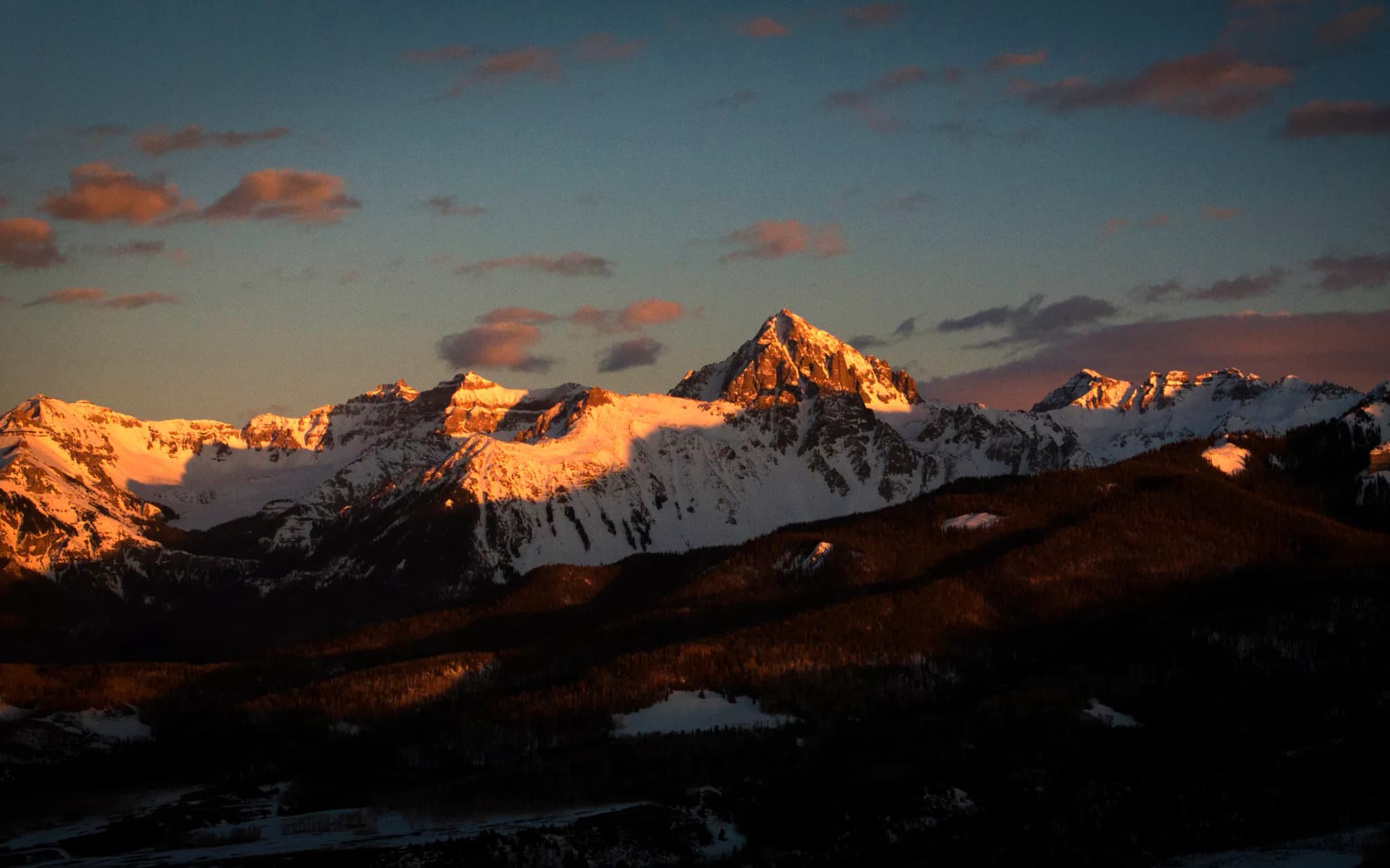
The Ouray Mountain Rescue Team located him not far from the 14,115-foot summit via the standard Lavender Col route. Hikers had reported finding the body. Incident commander Dolgio Nergui was coordinating the mission from town. She had limited information about what actually killed him. There was no snow on the standard route where they found him.
The lesson from the rescue team is simple. Leave a trip plan.
“The most important thing is just leave a trip plan with somebody so that they can check on you,” Nergui said. “Leave the time that you will check in with others if you go and recreate solo.”
It sounds basic. It is basic. Most folks assume that because they’ve climbed the mountain before, they don’t need to tell anyone where they are. They assume the trail is familiar. They assume the weather won’t turn. They assume they’re invincible.
Nergui’s advice cuts through the ego. Tell someone where you park. Tell them your route. Tell them when you expect to be back. Give them a reasonable window to call 911 if you don’t return.
The recovery operation itself was efficient. Dispatchers notified the team at 8:39 a.m. The mission wrapped up in five hours. Nergui coordinated with a helicopter in Montrose because the coordinates placed the body close to the summit. The logistics were tight, but the mountain didn’t care about efficiency. It just kept the body until the team got there.
This isn’t just about Bret Bachman-Goldstein. It’s about the rest of us who hike these peaks every weekend. We treat the San Juans like a backyard. We drive up from Montrose, Ridgway, or Ouray. We park at trailheads. We run up and down. We forget that altitude sickness, dehydration, and sudden weather shifts don’t care how many times you’ve done it.
The data here is sparse but telling. One death. One recovery. Five hours. But the cost to the community isn’t just the helicopter fuel or the rescuer’s time. It’s the psychological weight on the families who have to identify their loved ones on a slope. It’s the disruption to other hikers who see the body and wonder if it’s them next time.
Nergui’s point about the trip plan is the only hard data we have on prevention. It’s a low-cost insurance policy. You tell your spouse you’re going to Sneffels. You say you’ll be back by 4 p.m. You don’t. They call. The team launches. You get found. Or, in this case, you get recovered.
The standard route has no snow. That’s a good thing for climbers. It’s not a guarantee of safety. It just means you’re not fighting ice axes and crampons. You’re fighting fatigue and exposure.
Bachman-Goldstein’s family wrote that he felt free among the peaks. That’s a beautiful sentiment. It’s also a dangerous one if you’re alone. Freedom without a plan is just isolation.
The rescue team did their job. They found him. They brought him down. Now we’re left with the reminder. Leave a note. Check in. Don’t assume the mountain owes you anything.
It costs nothing to leave a trip plan. It costs your life if you don’t.
Keep up with Ouray
The day's Western Slope news, one email each morning. Free.
Heavy Rain on Gold Mountain and Aspen Acres Fires Closes Highways in Southern Colorado
Snyder Fire Holds at 10% Containment as Gold Mountain Blaze Threatens Ouray