Pitkin County Plans $1.4M Upgrade for Snowmass Trailhead Parking
Pitkin County commissioners approve a $1.4 million project to replace chaotic roadside parking at the Snowmass Trailhead with a structured facility featuring 74 spaces and improved enforcement.
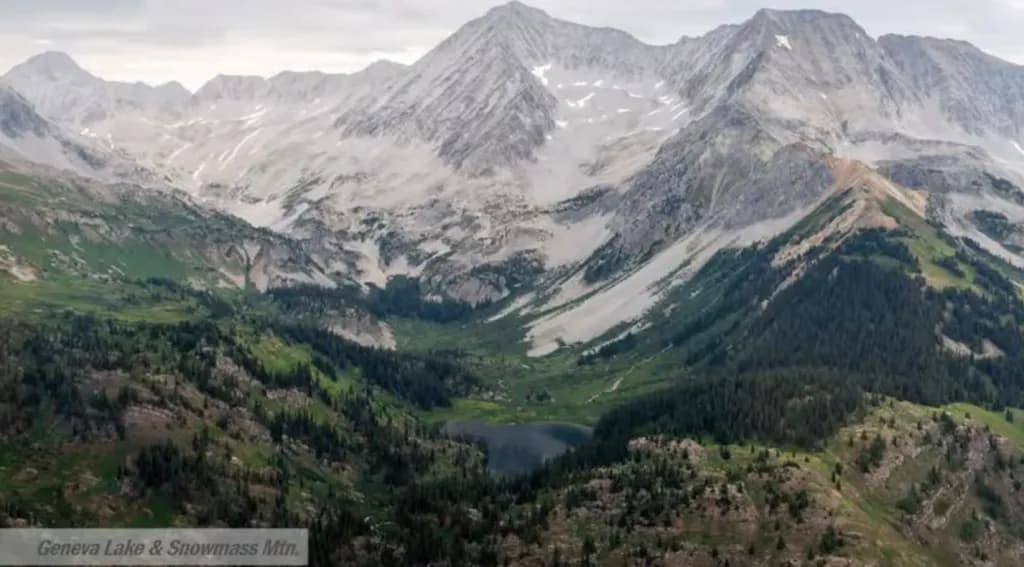
Aspen —What happens to the thousands of hikers who currently park illegally along Upper Snowmass Creek Road when the county finally decides to fix the mess?
That is the practical question facing Pitkin County commissioners this week. They are moving from planning to execution on replacing the informal, chaotic parking area at the Snowmass/Maroon Trailhead. The goal is straightforward: stop the roadside parking congestion that has plagued the area for years and replace it with something that actually functions.
The preferred alternative for the project was reviewed Tuesday by the Board of County Commissioners. It follows a unanimous approval from the Open Space and Trails Board in May. The money is already in the budget — part of the 2026 Open Space and Trails budget, funded by the 2024 purchase of the Snowmass Falls Ranch property. Now, the county just needs to spend it.
“We have the ability, potentially, to upgrade a trailhead that has been never designed properly from the get-go,” said Gary Tennenbaum, Pitkin County Open Space and Trails director.
The current situation is unsustainable. A county staff report notes that existing infrastructure fails to support visitor orientation, sanitation, emergency response, or resource protection. The informal parking area at the end of Upper Snowmass Creek Road is simply too small for the volume of people trying to access the Maroon Bells–Snowmass Wilderness.
The proposed solution is specific. It involves tearing out the current informal setup and building a facility with 74 overnight and day-use parking spaces, five spots for horses, and four for emergency or administrative use. It includes a staging area, an information kiosk, a permit box, and a double-vault toilet. They are also planning native landscape restoration and drainage improvements.
The cost? The engineer’s opinion of construction is $1.4 million.
For locals who drive up for a weekend hike, that number might seem like a lot for a parking lot. But consider the alternative. The area is one of the most heavily used trails in the Aspen area. Backpackers, hikers, and horse travelers originate their trips here en route to alpine lakes and high passes. If the parking doesn’t work, the congestion spills onto the road, blocking access and creating safety hazards.
The preferred alternative was developed by U.S. Forest Service staff in collaboration with stakeholders. The focus was on operational functionality, ecological protection, visitor experience, and long-term maintainability. The new facility will sit to the west of the Snowmass Falls Ranch property, serving the Snowmass Lake Trail #1975, West Snowmass Trail #2187, and East Snowmass Trail #1977.
Crucially, this isn’t just about adding pavement. It’s about enforcement. The plan includes signage, physical barriers, and planned enforcement to eliminate the informal roadside parking that has become the norm. You won’t just be able to pull over wherever you want anymore.
“The question is whether,” Tennenbaum suggests, “we can finally get it right.”
The project aims to improve visitor access, circulation, safety, and sanitation while supporting long-term wilderness management objectives. It’s a shift from chaos to order. The $1.4 million price tag buys a system that can handle the volume of people who have been crowding the creek road for decades.
The physical barriers and signage will likely hold, though old habits are hard to break. But for now, the county has a plan, a budget, and a clear direction.
“We have the ability, potentially, to upgrade a trailhead that has been never designed properly from the get-go,” Tennenbaum said.
Keep up with Aspen
The day's Western Slope news, one email each morning. Free.