Polis Dismisses Reading for Job Skills as Colorado Third-Grade Proficiency Stalls at 50%
Critique of Governor Jared Polis's focus on job readiness over literacy, highlighting the persistent 50% ceiling for Colorado third-graders reading at grade level and the need for foundational reading skills.

Colorado —Fifty percent. That’s the ceiling for Colorado third-graders reading at grade level on the state’s own tests. It’s a hard cap that hasn’t budged in years. Yet, if you listen to the state’s current leadership, you’d think the problem was simply that we weren’t teaching enough math to get kids into the right jobs.
The governor’s race is supposed to be about who can steer the ship, but K-12 education has been treated like an afterthought. We’ve gone too long without a state leader who actually articulates why schools matter. We got John Hickenlooper and Jared Polis, both of whom leaned heavily into the business community’s obsession with workforce training. They promised us a pipeline to employment. They didn’t promise us readers.
Let’s look at the numbers. We switched to the CMAS assessment for grades 3-8 back in 2016. Since then, English language arts proficiency has never cracked 50%. In math? It’s even lower. We have a system where the majority of students have never been able to "achieve at grade level" on their own standardized tests. And yet, the current governor still sounds surprised by the decline.
In a 2024 interview, Polis argued that reading alone isn’t enough. “Of course people need to read, but reading alone or mathematical skills at grade level alone, those are not the requisite skills for many of the wonderful jobs that we have today and tomorrow,” he said. He went further, suggesting that even if every student was proficient, it “doesn’t correlate to are they ready for success in having good jobs.”
“Even if”? That’s the kicker. It implies that reading proficiency is optional, or at least secondary to some vague, undefined "job readiness." But you can’t read a job description if you can’t read the words. You can’t follow the instructions on a construction site if you can’t parse a sentence. Polis sounded so preoccupied with what happens after K-12 that he missed the collapse during it.
Other states are proving this isn’t just a Colorado problem, nor is it unsolvable. Ohio’s Mike DeWine and New York’s Kathy Hochul have used their bully pulpits to force reading initiatives. They didn’t wait for the business community to approve it. They just did it. Romer did it. Owens did it. Ritter did it. Now? We’re stuck in a loop of "too little, too late."
Polis finally touched on reading in his next-to-last State of the State address, delivering a platitude: “Reading helps young people cultivate their dreams — dreams that grow as they grow.” It’s poetic. It’s also useless. Dreams don’t pay property taxes. Literate citizens do.
The Western Slope doesn’t need another workforce development seminar. We need kids who can read the contract, understand the zoning laws, and vote based on the issues, not just the soundbites. If we can’t get half the kids reading by third grade, the rest of the "job readiness" rhetoric is just noise.
The practical impact? We’re producing a workforce that might be good at specific tasks but lacks the foundational cognitive flexibility to adapt when those tasks change. We’re subsidizing a system that claims to prepare students for the future while ignoring the most basic tool they need to navigate it. That’s not a strategy. That’s a gamble. And the house is winning.
Keep up with Colorado
The day's Western Slope news, one email each morning. Free.


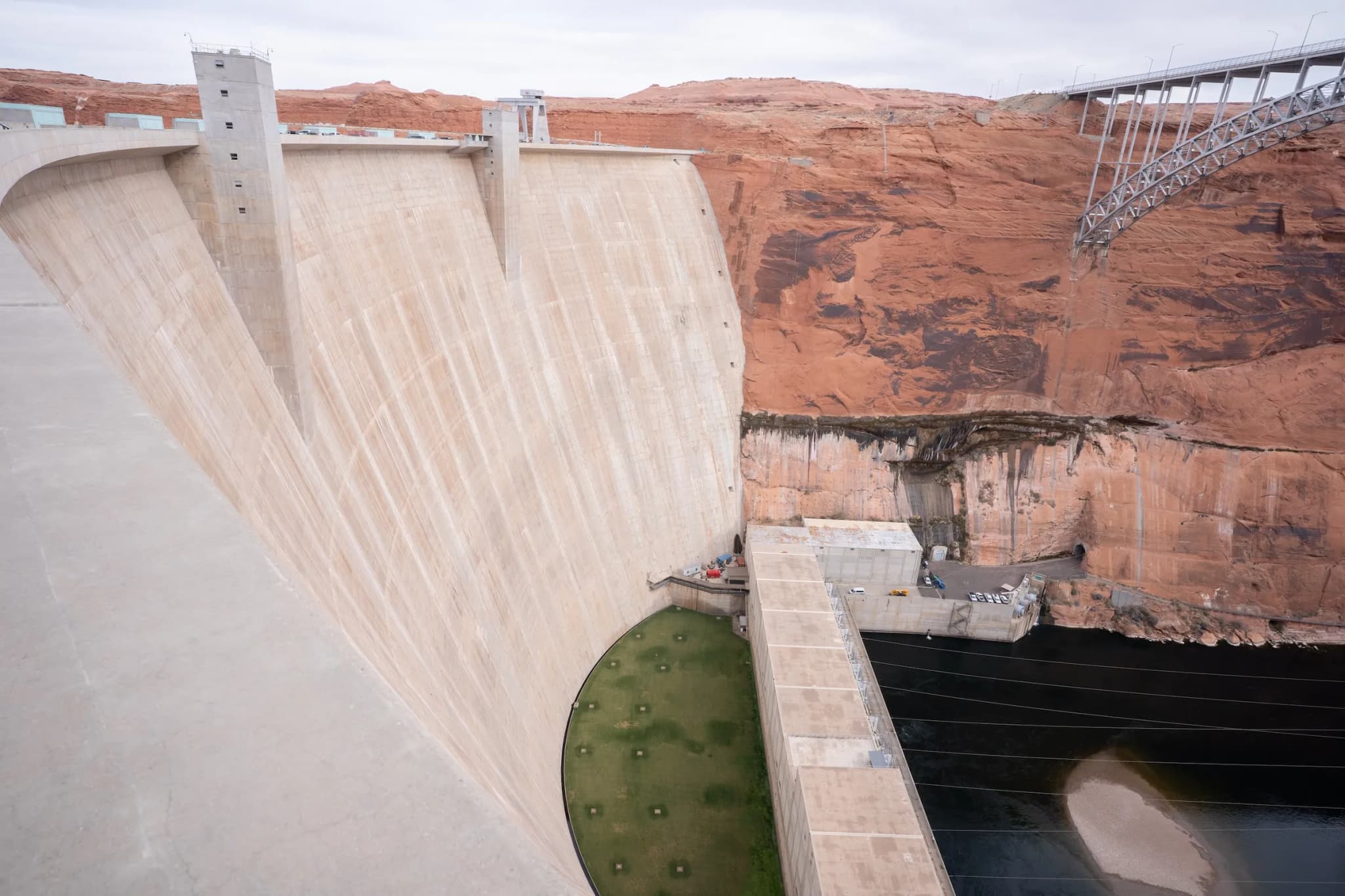
Federal Report Sets 200,000 Acre-Foot Water Conservation Target for Upper Basin
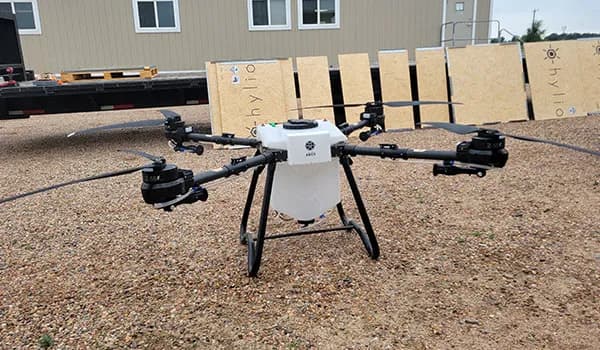
Colorado Parks and Wildlife Deploys Precision Drones for Weed Control