Pope Leo XIV Visits Lampedusa to Highlight Migration Crisis
Pope Leo XIV spent Fourth of July on Lampedusa’s rocky shores, blessing a plaque and urging European leaders to address the migration crisis with compassion and comprehensive strategy.
Aspen —A treeless strip of rock 5.6 miles long. That’s Lampedusa. It’s closer to Africa than it is to the Italian mainland, and it is the primary choke point for hundreds of thousands of migrants crossing the Mediterranean by boat.
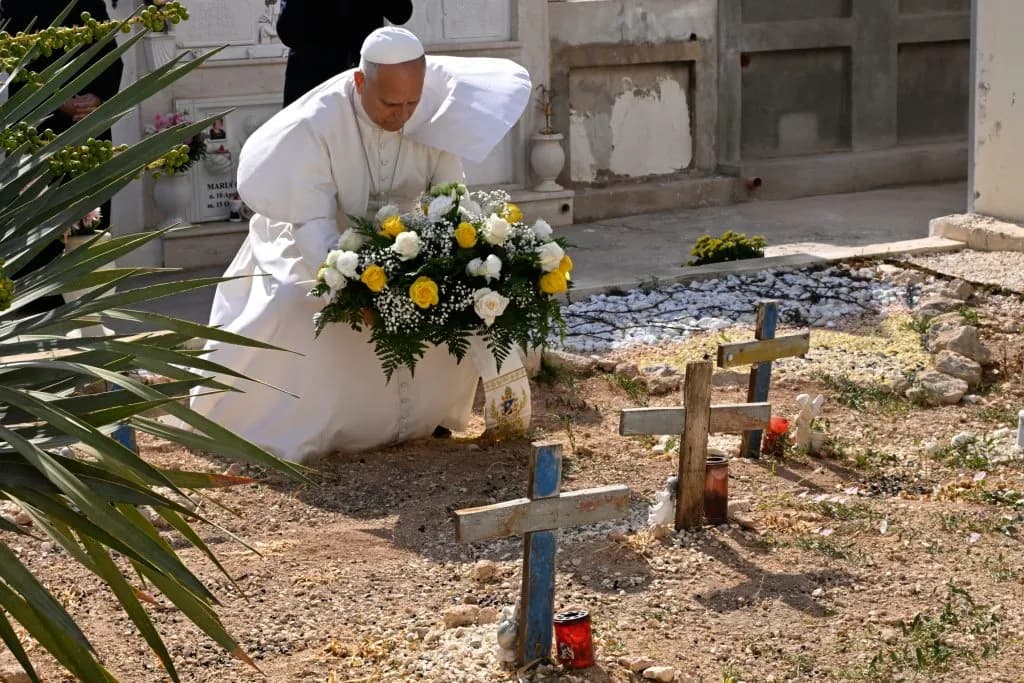
Pope Leo XIV spent his Fourth of July there, not in a palace, but on jagged jetty rocks with the wind whipping his cassock and blowing his zucchetto skullcap off. He blessed a plaque dedicated to Pope Francis, who visited in 2013, and then celebrated Mass. The Vail Daily reported the visit, noting that Leo has sparred with the Trump administration over its immigration crackdown. The contrast is stark. While the United States marks the 250th anniversary of the Declaration of Independence with rallies and fireworks, Leo was in Sicily honoring the tens of thousands who died trying to reach Europe for freedom and prosperity.
It’s a symbolic gesture, sure. But symbols cost nothing, and they mean different things depending on where you’re standing. Leo’s message was that gestures need a heart. “This is a place where gestures speak louder than words,” he said. He didn’t just stand there. He walked the rocks. He met migrants at the port. He preached to locals about the “miracle of compassion” they’ve shown.
Let’s look at the geography. Lampedusa is ground zero for Europe’s migration debate. It’s the epicenter. Migrants arrive from Libya or Tunisia, often smuggled by human traffickers. The island’s residents are expected to welcome them, to uphold the dignity of every human being. Leo urged European leaders to address the phenomenon comprehensively, integrating immediate relief with broader strategy. He argued that before any intellectual consideration or ideological conviction, the encounter with those stripped of everything calls us to be close to them.
The Pope also sent a letter to Americans on the July 4 anniversary. He insisted that protecting the unborn and all human life means “welcoming, protecting and assisting immigrants.” He claimed their hopes and sacrifices formed part of the country’s history from the very beginning. To receive them with compassion and generosity is recognition of human dignity, he wrote. It’s not just charity. It’s a duty.
On paper, it’s a beautiful narrative. History’s first U.S.-born pope returns to the migration front lines to remind the West of its roots. In practice, it’s a reminder that while we celebrate independence, others are still crossing seas in boats, often dying in the process. The island is tiny. The pressure is immense. The residents are doing the heavy lifting of welcome while the rest of Europe debates how to police the borders.
Leo’s visit wasn’t just about piety. It was a political statement aimed at the U.S. and Europe. It was a challenge to assume responsibility. The island is a microcosm of the larger struggle: balancing legal obligations to welcome refugees fleeing conflict, climate change, and poverty against the desire to police borders. Lampedusa bears the brunt of it all.
The bottom line? The Pope is pointing at the U.S. and saying, “You started this immigration story, don’t forget it.” It’s a reminder that freedom and prosperity are the same goals for the migrant crossing the sea as they are for the American celebrating the Fourth. The cost is measured in lives lost on the water and the social fabric of a small Sicilian island holding the line.
Keep up with Aspen
The day's Western Slope news, one email each morning. Free.