Protecting Our Resources: Navigating Drought and Saving Water
Delta County guides residents on conserving water during droughts by reducing indoor waste and optimizing outdoor irrigation. The article highlights practical tips like fixing leaks, timing watering schedules, and using mulch to protect local agriculture and supplies.
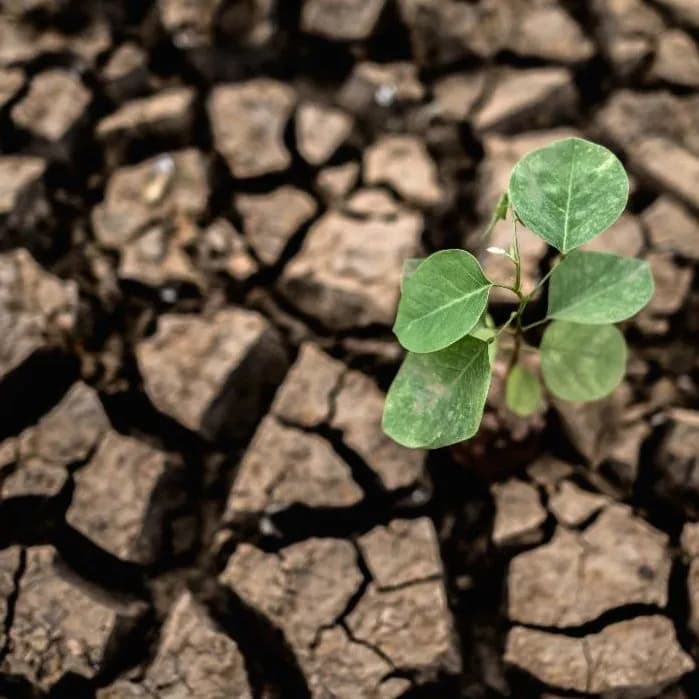
Delta County is a unique and beautiful place to live, known for its scenic mountains, livestock ranches, and fruit orchards. While our communities enjoy beautiful landscapes and access to rivers and reservoirs, we also live in a semi-arid climate, meaning we receive relatively little precipitation compared to many other parts of the country.
Because water is limited, periods of drought are a natural part of life in western Colorado.
Understanding Drought in Delta County
A drought occurs when an area experiences below-average rainfall or snowfall over an extended period of time. In our region, drought often begins with a below-average snowpack and continues when spring and summer precipitation fail to make up the difference.
Every spring, the snowpack on the Grand Mesa and in the surrounding mountains acts as a natural reservoir, storing water through the winter and releasing it gradually as temperatures warm. This snowmelt replenishes local streams, reservoirs, irrigation systems, and groundwater supplies throughout Delta County.
A severe drought occurs when water shortages become more significant. River flows may decline, reservoir levels can drop, soils become drier, and crops, rangelands, and wildlife may experience stress. Severe drought conditions can also increase the risk of wildfires and place additional demands on local water supplies.
Indoor Conservation: Becoming a Water Hero
A lot of water waste happens right inside our homes without us even realizing it. Here are some simple, effective ways to reduce your indoor water footprint:
Turn Off the Tap: Never let the faucet run while brushing your teeth or washing your face. Turning off the tap until you are ready to rinse can save up to 4 gallons of water every minute!
Be a Leak Detective: A single leaky faucet that goes drip, drip, drip can waste over 20 gallons of water a day. An even bigger culprit is a leaky toilet, which can waste hundreds of gallons. Tell an adult right away if you hear a faucet dripping or a toilet running when it shouldn't be.
Run Full Loads Only: Modern dishwashers and washing machines are highly efficient, but only if they are fully loaded. Remind your family to wait until they have a full load before starting a cycle.
Chill Your Drinking Water: Instead of running the kitchen sink for a long time waiting for the water to get cold, keep a reusable pitcher of water in the refrigerator so it is always ready to drink.
Outdoor Conservation: Smarter Yard Care
During the hot summer months, outdoor irrigation, like watering lawns and gardens, accounts for more than half of a household's total water use. We can keep our neighborhoods beautiful without wasting this precious liquid.
Timing is Everything: Never water the lawn during the heat of the day. When the sun is high, high temperatures cause the water to evaporate (turn from a liquid into a gas) before it can soak into the ground. Many water providers recommend watering during the cooler morning or evening hours to reduce evaporation. Be sure to follow any local watering restrictions in your area.
The Magic of Mulch: Placing a thick layer of mulch, bark, or wood chips around flowers, shrubs, and trees acts like a protective blanket. It shades the soil, keeps the roots cool, and prevents moisture from escaping.
Harvest the Rain: In Colorado, residents may collect rainwater in up to two rain barrels with a combined storage capacity of 110 gallons. This captured water can be used to water outdoor plants and gardens.
Choose Water-Wise Plants: Native and drought-tolerant plants typically require less irrigation than traditional lawns while providing beauty and habitat for pollinators.
Why Every Drop Counts
In Delta County, water is the lifeblood of our entire community. Our local economy relies heavily on agriculture. Fruit growers, farmers, and ranchers all depend on reliable water supplies to support crops, livestock, and local food production. Furthermore, having enough water stored up is critical for firefighters to protect us during wildfire season.
Conserving water isn't just about saving money on a utility bill. Every drop saved today helps protect our farms, orchards, wildlife, and communities tomorrow. By working together, we can help ensure Delta County remains resilient through drought and prepared for the future.
Keep up with the Western Slope
The day's Western Slope news, one email each morning. Free.