Roaring Fork Fire Rescue Seeks New Hire to Boost Wildfire Mitigation
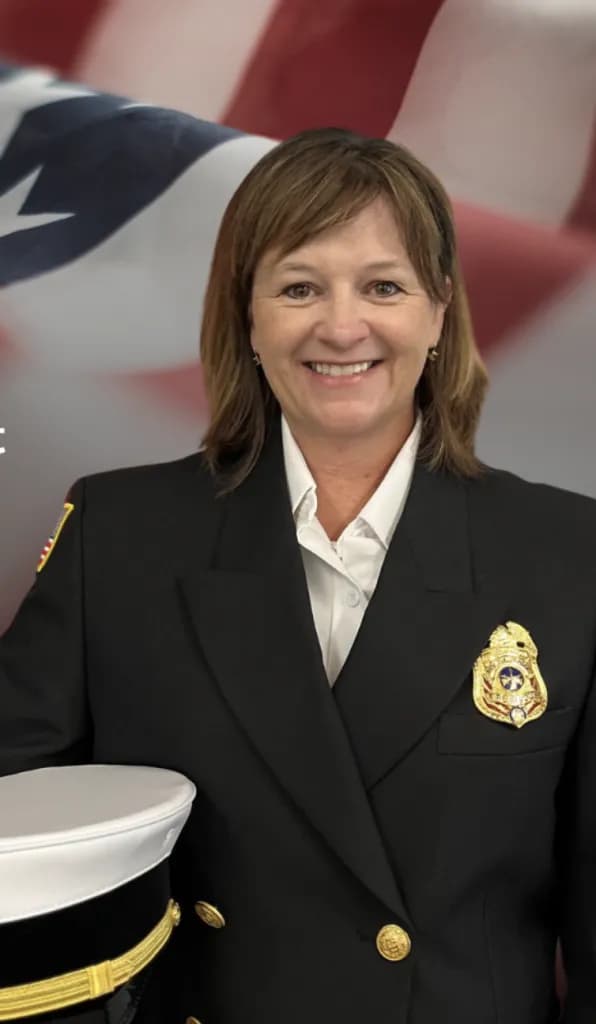
Fire marshall Brooke Stott proposes adding a dedicated staff member to handle rising wildfire mitigation and public outreach demands along the I-70 corridor.
Glenwood Springs —The dry brush along the I-70 corridor is waiting for a spark. It’s not just a visual hazard; it’s a logistical nightmare for the Roaring Fork Fire Rescue Authority, which is trying to keep up with a growing population and a shrinking window for safe evacuation.
Brooke Stott, the authority’s fire marshall since April, is looking at that risk and deciding it’s time to hire help. Specifically, she wants to add one dedicated staff member to handle wildfire mitigation and public outreach. It sounds like a modest ask — one more body to manage the chaos — but in a department where call volumes are rising and prevention teams are already stretched thin, it’s the difference between proactive management and reactive scrambling.
Stott is succeeding John Mele, who retired in early April. She spent years as deputy fire marshall, but her new role flips the script. Where she used to do less with wildfire assessments and public outreach, she’s now front and center. And right now, the work has “gone crazy,” as she put it.
The new wildfire code adoption has added another layer of complexity. Residents need to comply with stricter laws, and the current prevention staff is buried under the weight of assessments. Stott wants to hire someone who can focus exclusively on mitigation and outreach, covering the large wildfire-threatened region the authority serves. On paper, this makes sense. In practice, it’s about survival.
“I want to work toward adding to our prevention staff because I feel like we have more to offer to the community,” Stott said.
She’s not just talking about putting out fires. She’s talking about teaching kids. Stott wants to get into all the grades, speaking to the science of fire and the importance of mitigation. Current staffing levels don’t allow for this level of youth engagement. Station tours are fine, but they don’t reach enough students. The new hire would be knowledgeable enough to talk to students about fire science, not just show them how to tie a knot.
The authority has made progress toward a more resilient community, but it’s been behind on assessments. Calls are up. The community is bigger. There’s more stuff going on. Stott likes the teamwork, but she knows momentum is hard to maintain when you’re running on empty.
“We have more to offer to the community,” she said. But offering that requires resources.
The cost? We don’t have a specific dollar figure for the new position yet, but we know the pressure. The department is growing. The risk is increasing. And the current team is hit hard. Stott is clear: they need more staff to handle the volume. It’s not a luxury; it’s a necessity.
For locals, this means one thing: the window for ignoring wildfire risk is closing. The new code isn’t just a suggestion. It’s a requirement. And if the authority hires this new person, it means more outreach, more education, and hopefully, less panic when the next dry spell hits.
Stott isn’t asking for a miracle. She’s asking for help. And given the state of the region, that help is overdue.
Keep up with Glenwood Springs
The day's Western Slope news, one email each morning. Free.