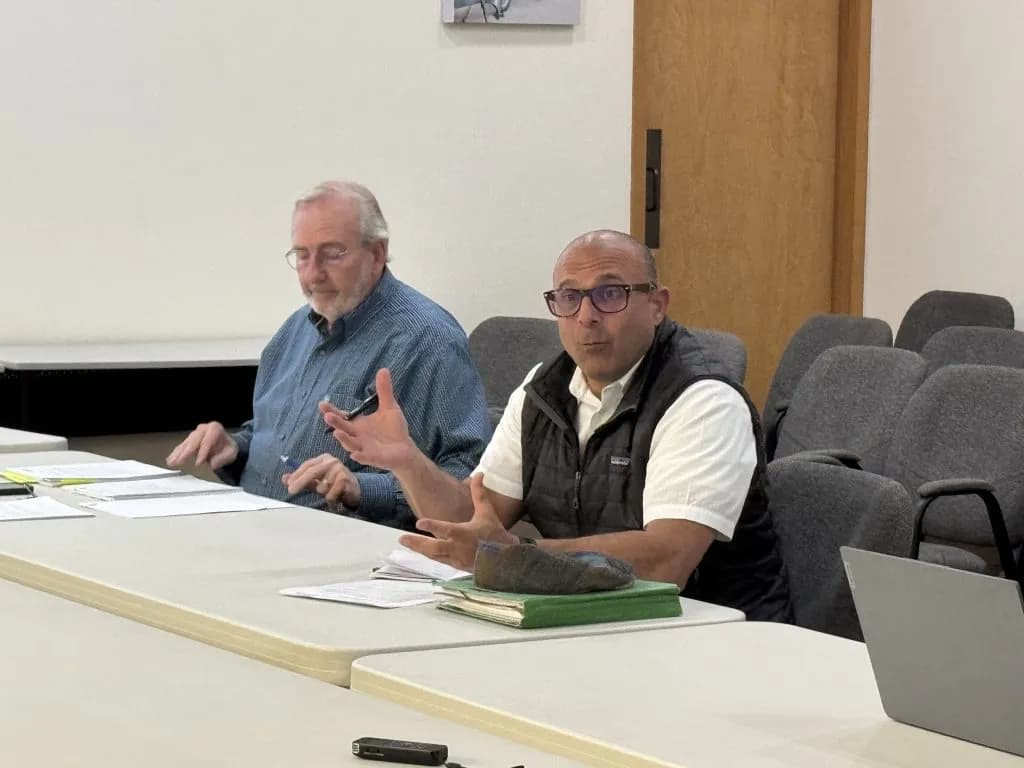
Routt County buys Hewes gravel pit for $3.2 million
Routt County commissioners approved a unanimous $3.2 million purchase of the 225-acre Hewes gravel pit near Toponas, securing a century of stable gravel supply for South Routt roads and shielding the budget from rising commercial prices.
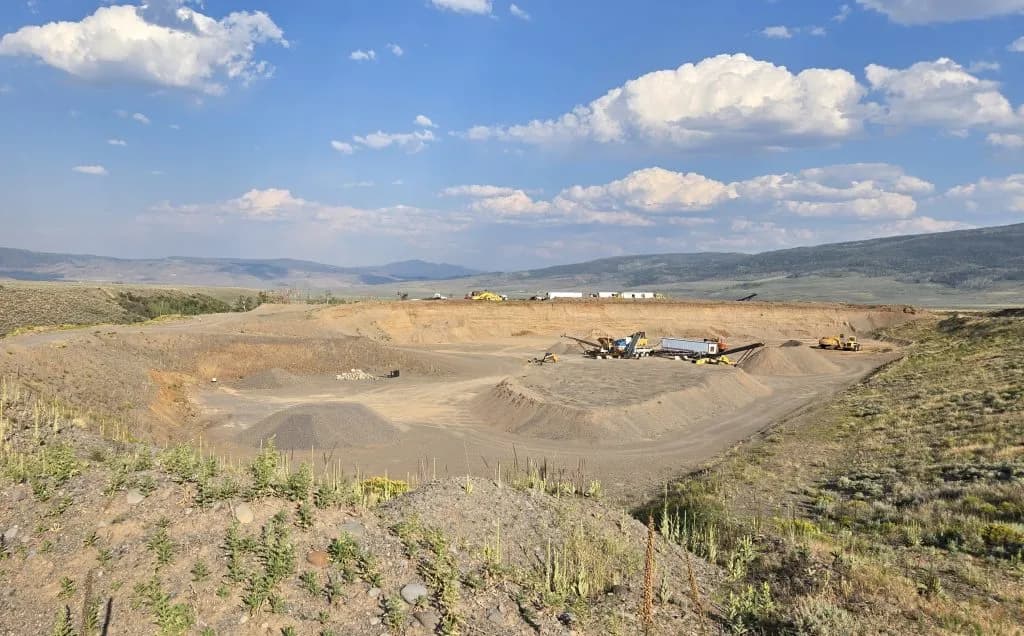
Steamboat Springs —The wind howls down the valley floor, kicking up dust that settles on the hood of your truck before you even reach the top of the pass. It’s a familiar sound on Colorado’s Western Slope, but for the folks maintaining the 650 miles of gravel roads in South Routt, that dust is a symptom of a much larger, more expensive problem.
Routt County has officially acquired the Hewes gravel pit in a $3.2 million purchase approved unanimously by county commissioners on July 28. The goal is simple: secure at least 100 years’ worth of gravel for South Routt roads as a long-term, inflation-resistant resource.
Let’s do the math on why this matters. The county uses between 50,000 and 60,000 tons of gravel annually. South Routt alone consumes an average of 20,000 to 25,000 tons of that. At current commercial prices, that local demand runs around $400,000 a year. Commercial gravel prices have risen roughly 46% in the last seven years. That is not a trend that slows down. That is a tax on every pothole filled and every shoulder graded.
“Gravel is one of our most challenging resources to get enough of every year, and it keeps going up in price,” said County Manager Jay Harrington. He noted that private sector gravel sits at around $19 a ton. Buying the pit changes the equation from buying a commodity to owning the asset.
The property itself is straightforward. It’s 225 acres near Toponas. It’s not a residential development waiting to happen. In fact, when newspapers reported the purchase based on real estate transactions, they listed a 2,000-square-foot, two-bedroom, 1.5-bath residence on 36 acres. County Manager Jay Harrington clarified that the listed address was misstated. There is no house. The property has no assigned address yet. You’re buying dirt and rock, not a fixer-upper.
The process is industrial and relentless. Raw material, known as “pit run,” is pulled from the bank by dozers and loaders. It’s rocks six inches or smaller mixed with finer material. That stuff gets fed into a crusher that breaks it down to specific proportions. Road and bridge crews then process it into “road base,” the stuff that actually holds the road together.
“With usage and time, gravel roads do ‘wear out,’” said Road & Bridge Division Manager Zach Schaffner. “While potholes, washboards and other surface defects can generally be fixed with grading, eventually, replacement of the gravel itself is needed.”
The county currently operates two ways to get this done. They lease a pit outside of Hayden, which will eventually be relocated, and they have pits in North Routt. They also crush their own gravel with a summer crew, handling about 30,000 tons themselves and purchasing the rest from private suppliers. The Hewes pit adds a third, stable pillar to that infrastructure.
This isn’t just about keeping the plows moving in winter. It’s about shouldering paved roads and replacing culverts and bridges. It’s about the fact that you can’t grade your way out of a gravel shortage forever.
The bottom line for locals? The $3.2 million price tag is a one-time hit for a century of supply. It removes the annual volatility of the $19-a-ton market from the equation for South Routt’s share of the network. It means the road crew doesn’t have to bid out the same contract every year and watch the price jump 46% over a decade. It means the dust on your windshield stays under control, and the budget doesn’t bleed out to private suppliers.
Keep up with Steamboat Springs
The day's Western Slope news, one email each morning. Free.

Moffat County Fair Awards Crown Winners in Horse Show and Crafts
Leela Bridgewater and Corgi Freya Win Routt County Fair 4-H Dog Show