Sawatch Hummingbirds Power 3,000-Mile Migrations With Tiny Engines
High-speed research in Gothic reveals how Sawatch hummingbirds perform complex courtship calculations, while local residents learn that maintaining cat-free feeders supports these 3,000-mile migratory pollinators.
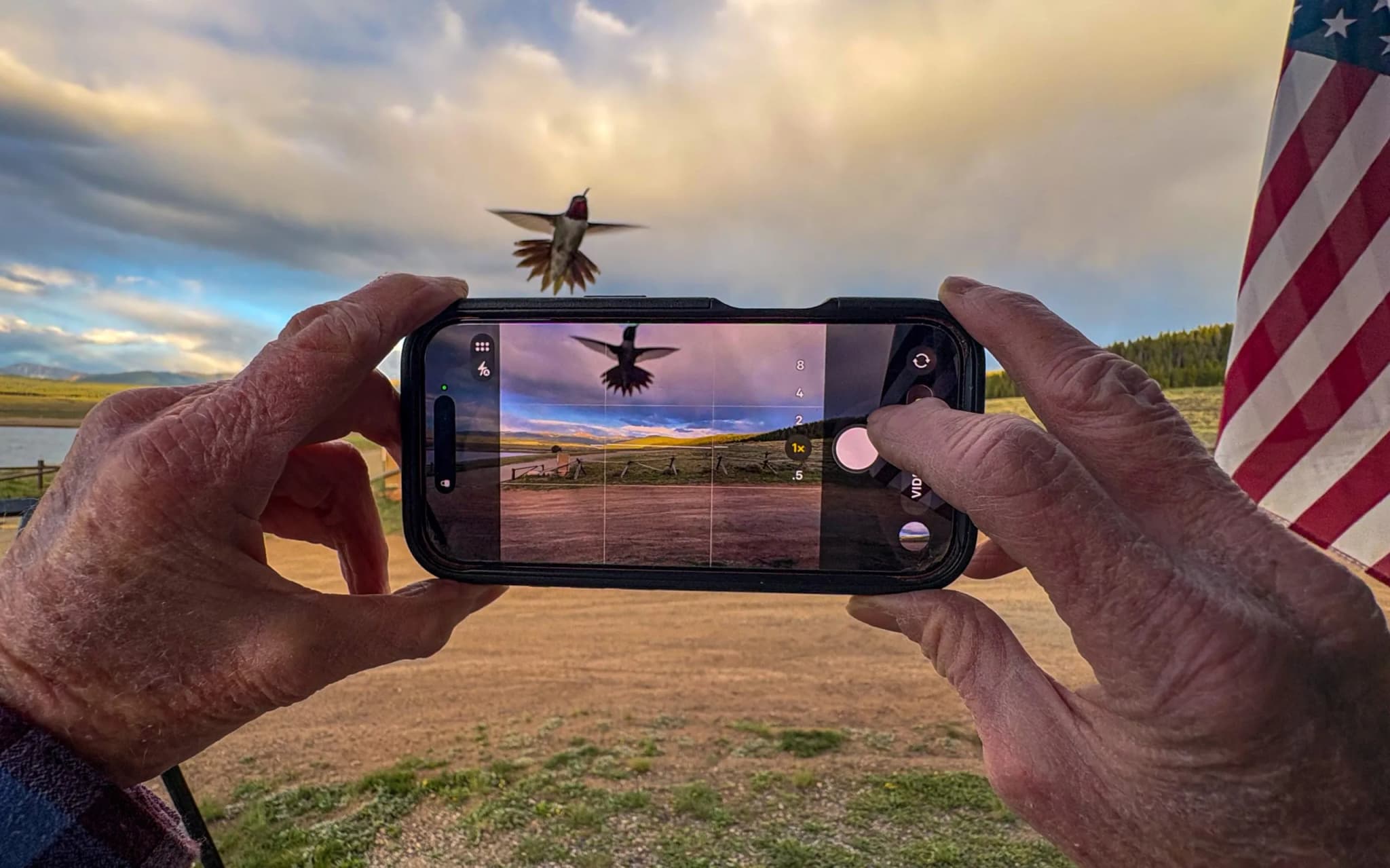
Gunnison —The air in the Sawatch Mountains near Tin Cup is crisp, carrying the faint, persistent hum of wings beating sixty to eighty times a second. It’s August, peak season, and the trees are alive with otherworldly trills as tiny birds work feeders and flowers, preparing for the long haul south.
This isn’t just background noise; it’s a biological spectacle. A ruby-throated hummingbird might "pose" for a fraction of a second, but don’t expect a portrait session. Their feet are built for gripping, not walking, so they hover, dive, and fly upside down with a precision that makes our best drones look clumsy.
For context, these birds are incredibly efficient machines. A single hummingbird weighs about as much as a nickel. To keep that engine running, it must consume twice its own weight in nectar every single day. Let’s do the math: if you’re feeding a group — known as a charm, glitter, or bouquet — the caloric demand is staggering.
The data gets even more interesting when you look at the broad-tailed hummingbird. Researchers at the Rocky Mountain Biological Laboratory in Gothic have used high-speed video and acoustic analysis to decode their courtship displays. It turns out the female isn’t just looking at the feathers; she’s analyzing the speed of the male’s dive and the specific sound his wings make at the bottom. It’s a complex calculation performed in milliseconds.
Then there’s the rufous hummingbird, the marathon runner of the avian world. These birds fly over 3,000 miles from southern Mexico to the Pacific Northwest and Alaska. They can cover 500 miles without stopping. On paper, it sounds impossible. In practice, it’s their summer routine.
Why does this matter to folks around here? Beyond the aesthetic value of watching a bird hover in front of your window, hummingbirds are critical pollinators. They drink nectar through their long beaks, and their tongues have specialized tips that probe deep into flowers. Without them, many of the high mountain meadows we enjoy wouldn’t exist.
But there’s a cost to this charm. These birds are vulnerable. They can be harmed by cold weather, injured in accidents, or eaten by cats, snakes, and even other insects. A banded hummingbird will return to the exact same yard, meadow, and feeder on the exact same day every year. That consistency is beautiful, but it also means that if you change your habitat, if you remove the flowers or let the cats roam - you’re disrupting a decades-old contract.
So, what’s the practical bottom line? If you want to support these local pollinators, you need to provide the fuel. Set up a feeder with sugar water, place it near flowering plants, and keep the area cat-free. It’s a small investment in your backyard that supports a species capable of flying 3,000 miles. The next time you hear that buzzing in the trees, you’re not just hearing noise. You’re hearing the sound of a tiny, iridescent engine powering one of the most remarkable migrations on the planet.
Keep up with Gunnison
The day's Western Slope news, one email each morning. Free.
Telegraph Transformed Aspen's Pre-Founding Economy and Investment

Friends of GJ Depot Secure Majority Funding for Historic Union Depot Restoration