Seattle Officials Warn Against Unapproved Glutathione Treatments for Firefighters
Seattle fire and medical officials warned against using unapproved glutathione treatments for smoke exposure, citing bacterial contamination risks and lack of clinical evidence.
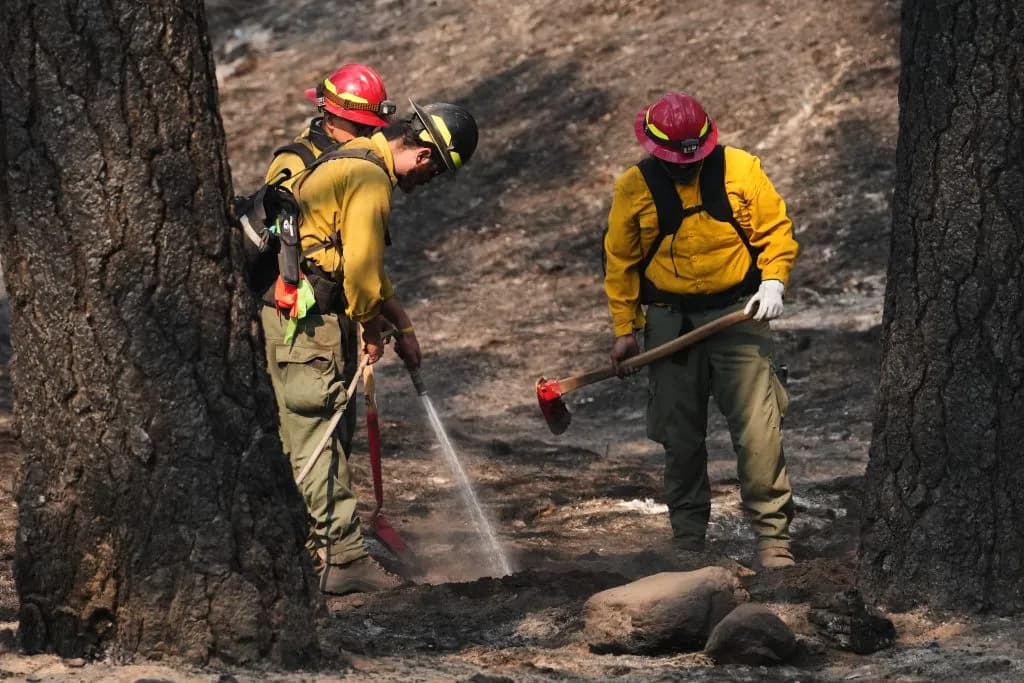
Aspen —The wind off the Cascades carries a faint, acrid sweetness, the kind that sticks to the back of your throat long after the dust has settled. It’s a scent familiar to anyone who has spent a shift on a fire line, a reminder that the air itself can be an adversary. But for the crews battling the blazes that recently scarred the landscape around Spokane, the danger wasn’t just coming from the flames; it was coming from a tent set up for medical support, where a supplement called glutathione was being administered via IV or nebulizer.
Vail Daily reported that fire and medical officials in Seattle have issued stark warnings about this practice. Glutathione, while known as an antioxidant, has not been proven safe or effective for treating smoke exposure. The risk, according to experts, lies in the production process. Because it is not an FDA-approved drug, quality control varies. In August alone, at least two pharmacies recalled batches of the supplement after lab tests revealed bacterial contamination. One of those pharmacies noted reports of patients experiencing fever, chills, and severe headaches — symptoms that can easily be mistaken for the aftereffects of smoke inhalation, masking the true cause of the illness.
Sean DeCrane, the IAFF assistant to the general president for health and safety, explained that the concern escalated when physicians and union members contacted the International Association of Firefighters with specific complaints. They pointed out that medical treatments being marketed to firefighters should be evaluated and tested to ensure there are no unintended consequences. DeCrane noted that the IAFF received reports that some firefighters actually felt worse or became sick after receiving the treatment. This is a critical distinction. If you are trying to heal from the toxicity of wildfire smoke, you don’t want to introduce a new variable that might be contaminated.
The history of this supplement’s use in firefighting circles is rooted in California. The Integrative Health Action Network, a group of naturopaths, began providing glutathione to firefighters following a 2017 blaze in wine country. Their work continued during the January 2025 Los Angeles County fires. During the recent Spokane wildfires, medical unit leaders from California urged crews to visit the tent where this nonprofit offered the supplement. Some firefighters have spoken up in its defense, claiming it helped them feel better after breathing toxic smoke. They have even urged California pharmacy officials not to restrict access, arguing that anecdotal relief is worth the risk.
However, Jen Riegle, a naturopathic doctor and co-founder of The Integrative Health Action Network, acknowledged the gap in evidence. In response to the safety advisory, she stated that the organization recognizes the need for peer-reviewed research on whether glutathione can reduce chemical burdens in firefighters. She described the group as "actively exploring partnerships to that end." It’s a reasonable stance, but it doesn’t change the immediate reality for the firefighters on the front lines. They are being asked to trust a treatment that lacks the regulatory safeguards of standard pharmaceuticals.
The broader issue here is the intersection of alternative medicine and high-stakes emergency response. Wildfire smoke contains a complex mix of particulate matter and toxic gases. The body’s ability to process these toxins is already strained. Adding an unproven intervention introduces uncertainty. For the folks on the Western Slope, this story serves as a cautionary tale about the resources available to our neighboring communities. When the fires move, the medical protocols move with them. If the support systems in Washington state are under scrutiny, it’s likely that similar questions will arise in Colorado as we prepare for our own fire seasons. We need to know exactly what is going into our veins and lungs when we are fighting for our lives. The air is clear now, but the debate over what we breathe in to survive is far from over.
Keep up with Aspen
The day's Western Slope news, one email each morning. Free.