Sen. Chris Kolker Proposes Tying PERA Bonuses to Fund Performance
Sen. Chris Kolker plans to introduce legislation tying PERA investment staff bonuses directly to portfolio performance, aiming to stop payouts during losses like the $9.8 billion drop in 2022.
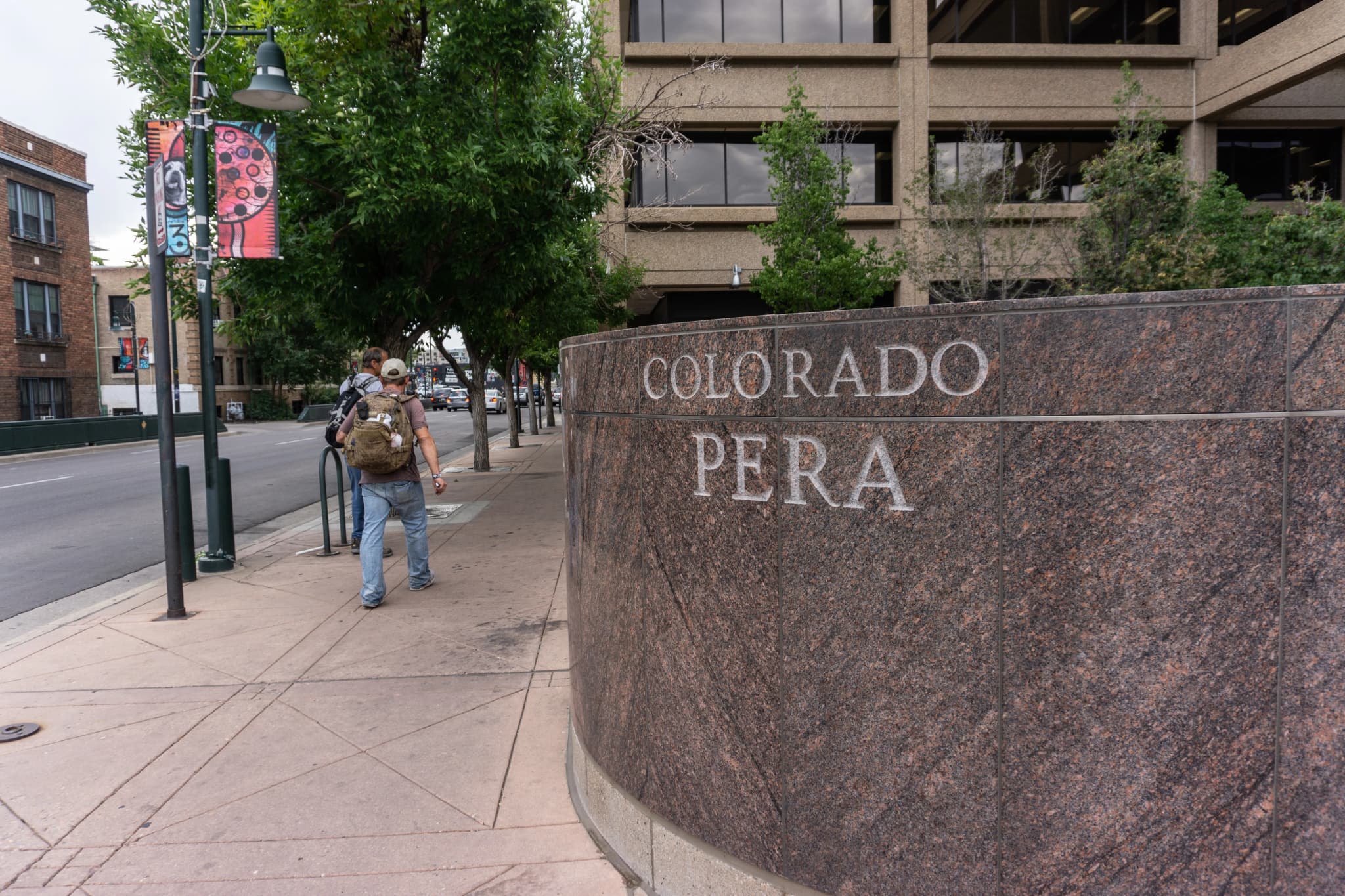
Colorado —Colorado Public Employees’ Retirement Association investment staff will likely stop getting bonuses when the pension loses money. That’s the core of new legislation coming next year.
Sen. Chris Kolker, a Centennial Democrat, plans to introduce the bill. He wants to tie payouts directly to the bottom line. If PERA’s portfolio shrinks, the investment team doesn’t get a cut. Not even if they beat the index funds.
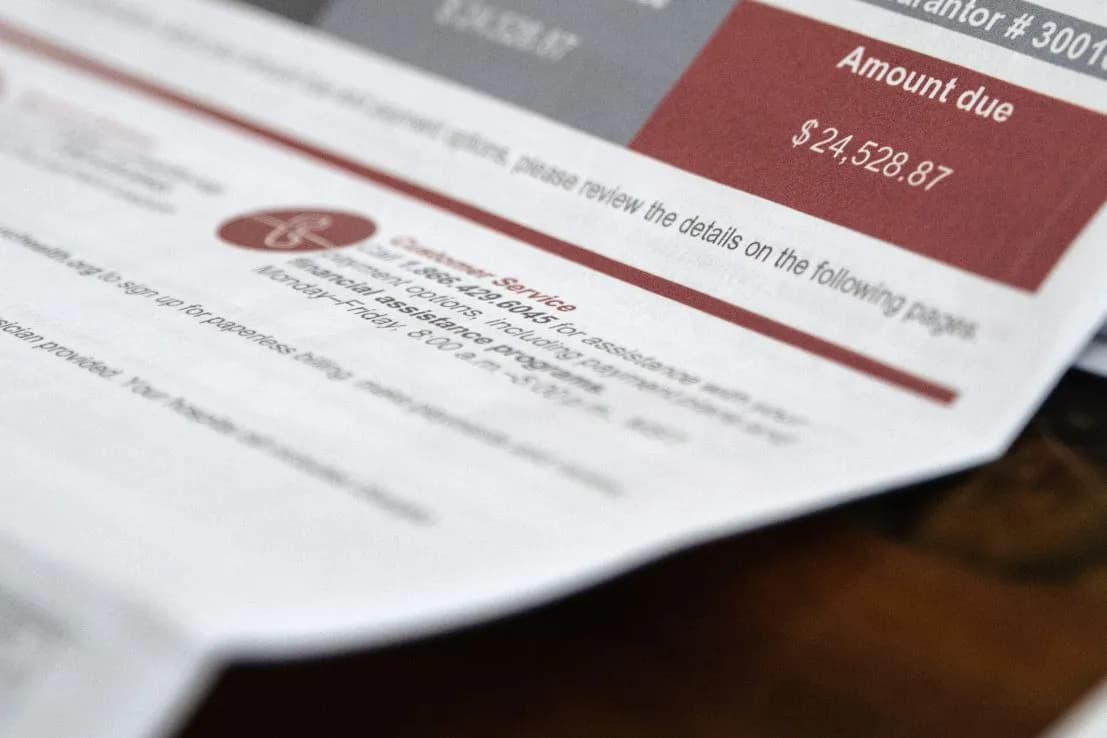
The move targets a specific grievance: the 2022 market crash. The pension lost $9.8 billion that year. It was a disaster. Yet, PERA still paid out $10.2 million in performance bonuses to its investment staff.
Nine officials took home more than $400,000 each in the following year. They received these payments despite the massive loss. PERA defended the payouts. Officials argued they needed to compete with private sector firms for talent. The market demands it, they said.
Kolker didn’t buy it. He’s a personal financial adviser and investment manager. He knows how the industry works. He says PERA just kept blowing him off when he raised concerns in 2022.
“I don’t want to see anybody making $1 million when they’re losing money,” Kolker said.
The logic is simple. Bad investment years hit members in the wallet. When PERA shows consistent losses, the math changes. The state must put more money in. Or raise contributions. Or reduce inflation adjustments for retirees.
“If you’re losing money, you’re not entitled to a bonus,” Kolker said.
The proposal comes after the Colorado Sun’s investigation last week. The reporting found the scale of the payouts. It highlighted the disconnect between performance benchmarks and actual portfolio health. PERA beat many benchmarks. But the benchmarks didn’t save the pension from billions in red ink.
Lawmakers who oversee PERA aren’t opposed to incentive pay. They passed Senate Bill 147 in 2025. That law required more transparency. It forced PERA to open its books on employee compensation. The timing and size of the payouts proved the transparency measure was necessary.
Sen. Byron Pelton, a Republican from Sterling, cosponsored that transparency bill. He stopped short of proposing specific guardrails. He wants to talk first.
“The perception of this is not good for PERA,” Pelton said. “We just want to sit down and have a discussion with PERA again.”
PERA declined to comment on the upcoming legislation. Spokesperson Patrick von Keyserling said the retirement system doesn’t comment on potential bills. They wait until a bill is introduced. Then they take a formal position.
The short version: Kolker is drawing a line in the sand. He’s done listening to arguments about benchmarks. He wants hard caps on bonuses when the fund is in the red.
That’s what Delta County retirees and state workers will watch. If bonuses vanish during downturns, PERA’s compensation model shifts. It aligns staff incentives with member outcomes. It removes the reward for beating a benchmark that doesn’t matter when the pot shrinks.
The question is whether PERA’s private-sector defense holds up. Can they prove they need to pay millions in bonuses to keep talent during a bear market? Or is it just a perk for the elite?
Kolker thinks it’s a perk. He’s introducing the bill next year. He’s ready to fight for it.
Keep up with Colorado
The day's Western Slope news, one email each morning. Free.

Federal Report Sets 200,000 Acre-Foot Water Conservation Target for Upper Basin
Colorado Parks and Wildlife Deploys Precision Drones for Weed Control