Ski and Snowboard Club Vail’s Mogul Team Claims Bronze at U.S. Championships
Ski and Snowboard Club Vail’s mogul program celebrates podium finishes at the U.S. Freestyle Mogul Championships, highlighted by Ava Keenan’s third-place finish and Jiah Cohen’s bronze, while examining the financial commitment behind the team's success.
Aspen —“Obviously, what Liz did is absolutely amazing. Everybody is extremely proud of her and the way she was able to come back from that injury.”
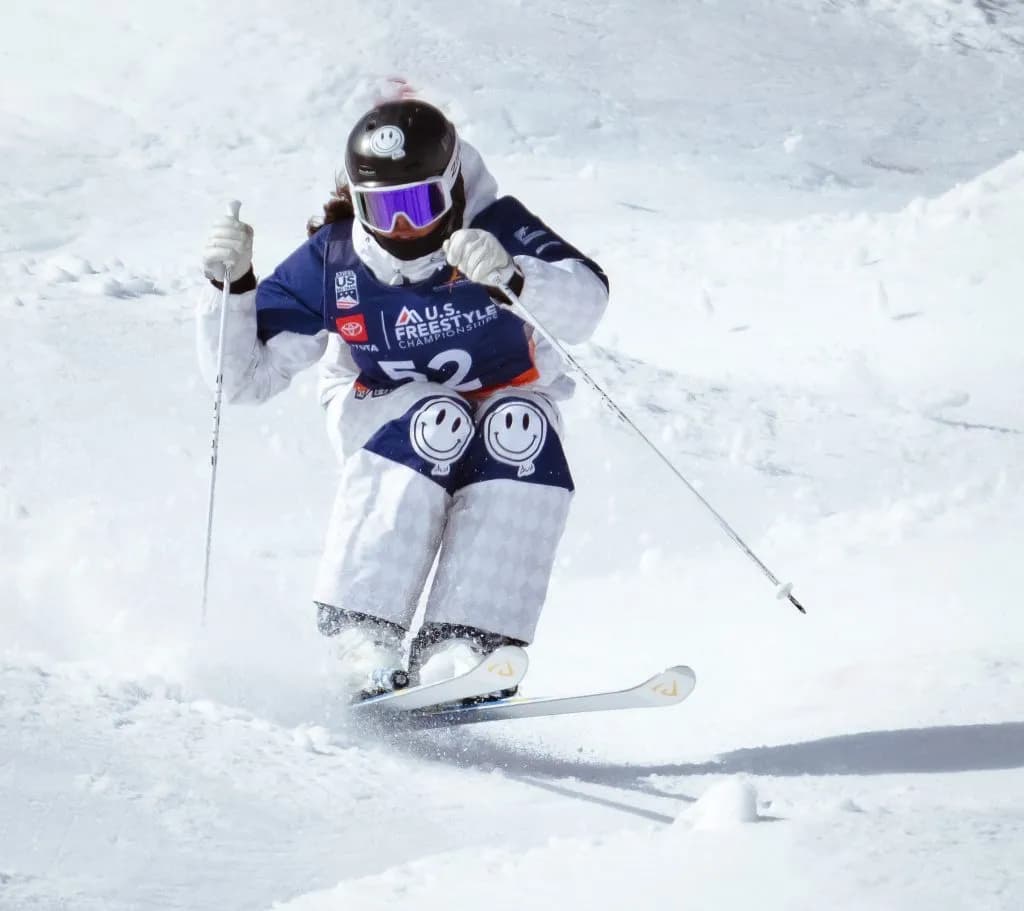
That’s Freddy Mooney, Ski and Snowboard Club Vail’s program director, talking about a season that didn’t just produce podiums — it produced headlines. The club’s mogul program wrapped up its winter campaign with a third-place finish for Ava Keenan in the women’s individual event and a bronze for Jiah Cohen in men’s duals at the U.S. Freestyle Mogul Championships in California.
On paper, it’s a successful season. In practice, it’s a reminder of how much happens off the slope to make those moments possible.
Keenan, 15, finished ahead of World Cup skiers. She did it after missing the crucial U.S. Selections event because she’d injured herself training in Chile back in October. Mooney called that a “huge burden” to overcome. You’re not just racing other Americans; you’re racing Canadians, two of the strongest nations in mogul skiing. To qualify for world juniors using only NorAms, you can’t afford to miss a beat.
She missed a beat. Then she made up for it.
While seven of her teammates were in Airolo, Switzerland, for the FIS Freestyle Junior World Championships, Keenan stayed home. She put in an intense training camp at Golden Peak with coach Will Fenely. It showed. The nationals course was hard this year. Aggressive skiing favors her. She finished third with a score of 63.13.
She’s only the second 15-year-old to podium at the national championships. Olivia Giaccio did it in 2016. Keenan is also the first Black skier to reach the senior national mogul podium. That’s a milestone. It’s a fact. It’s not just about the medal.
The rest of the team didn’t just show up. They competed. Kylie Kariotis won the final with a score of 70.34, edging out Kasey Hogg. Abby McLarnon, a world junior silver medalist, finished 17th. Katie Dreitlein was 18th. Reese Lemnah was 21st. Kayla Broecker was 25th. Keenan took ninth in the dual event.
Mahlia Torres emerged as a key figure this year. She finished seventh in the NorAm dual moguls standings and ninth in the individual event at junior worlds. That kind of consistency doesn’t happen by accident.
The club celebrated all of this at its year-end banquet on April 10. They handed out awards. The Campbell Sullivan SkiFast Award went to Meg Gustafson, Audrey Crowley, and Tucker Moore. Weston Roach and Alex Krupka took home the Downhill Racer Award. Jess Haslau, Chaley Stocker, and Dan Stripp were named Coaches of the Year.
It’s a lot of names. A lot of accolades. But let’s look at the cost of this success.
SSCV operates as a non-profit, but that doesn’t mean it’s free. The club supports full-time athletes like Ben Diaz and part-time athletes like Lola Pearson. They fund academic partnerships. They pay for coaches. They cover travel to California, to Switzerland, to Chile.
The financial structure isn’t public in granular detail, but the implications are clear. When you have athletes training in Chile and racing in California, you’re looking at significant overhead. Travel. Coaching. Facilities. The Zella Gorsuch Award went to Russ Shay for his contribution to the advancement of skiing in the Vail area. That’s not just a plaque. That’s investment.
The club’s mission is to develop young snowsports athletes. They’re doing it. The results are on the podium. But the question isn’t whether they can produce champions. It’s whether the local community can sustain the model that gets them there.
The data doesn’t lie. The team is winning. The athletes are healthy. The coaches are effective. But the cost of maintaining that level of performance is rising. And it’s not just the athletes paying. It’s the donors. It’s the volunteers. It’s the local economy that supports the infrastructure.
The bottom line? This isn’t just about skiing. It’s about what we’re willing to pay for excellence. And right now, the bill is coming due.
Keep up with Aspen
The day's Western Slope news, one email each morning. Free.
NWRM CASA Honors Judge O’Hara and Founders at 15th Anniversary
Craig Hosts Only Regional Special Olympics Bowling Competition