Ski Country Amateur Radio Club Tests Emergency Comms at CMC
The Ski Country Amateur Radio Club mobilizes at Colorado Mountain College for National Field Day, demonstrating redundant emergency communication capabilities beyond cell towers.
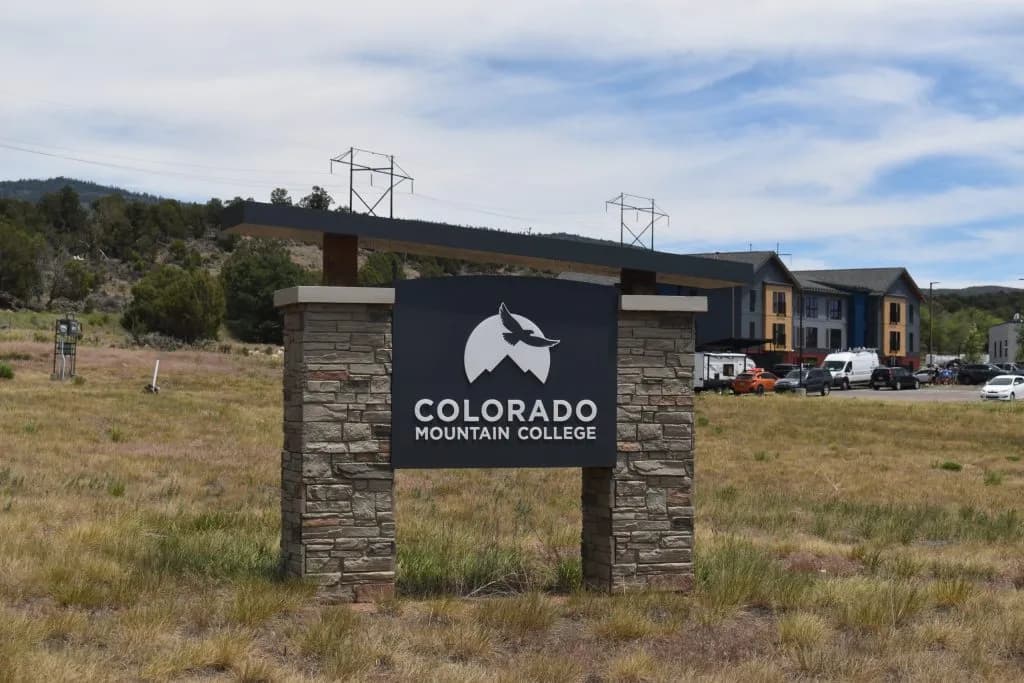
Aspen —The gravel crunches under Mike Ferguson’s boots as he hoists a heavy antenna mast into the late afternoon sun. It is 11 a.m. on Friday, June 27, and the air at the Colorado Mountain College Spring Valley campus is already thick with the heat of a Western Slope summer. Ferguson, a man who has been tinkering with electronics since he was a kid, isn’t just setting up gear. He is preparing for a test of endurance, skill, and communication that has nothing to do with the fiber optic cables running beneath the pavement.
This is National Field Day, an annual exercise that has been keeping ham radio alive and relevant since 1933.
While most of us rely on cell towers that flicker when the wind picks up or the power grid groans under strain, the Ski Country Amateur Radio Club (SCARC) is demonstrating that old-school radio waves still carry the weight of emergency preparedness. The event isn’t just a hobbyist’s picnic. It is a rigorous, 24-hour mobilization exercise that starts midday Saturday and runs continuously until the next day.
“It goes for the weekend. We go up on Friday and set up our stuff, and it’s an emergency communications exercise,” Ferguson says, wiping sweat from his forehead. “It is an exercise that occurs all across the country, and it’s about mobilizing and setting up a temporary emergency communications facility on short notice.”
The scale of this thing is massive. Over 31,000 stations across North America will be active, each vying for contacts. But for the folks in the R.F.. Valley, the stakes feel a bit more personal. This isn’t just about counting contacts; it’s about proving that when the big networks go down, the little guys can still talk to each other.
SCARC, a 501(c)(3) nonprofit based in Glenwood Springs, has been operating for over 50 years. They cover a wide swath of western Colorado, from Garfield and Eagle counties all the way to Pitkin and Gunnison. With nearly 100 members — about 40 of whom live right here in the Roaring Fork Valley — the club is a quiet but vital part of the local infrastructure. They meet monthly, offer training, and administer license tests. But Field Day is where the rubber meets the road.
Ferguson got his first ham radio license in 1965. He was 12 years old, fascinated by the idea that a simple box with an antenna could send his voice halfway across the world. That curiosity didn’t just stay a hobby. It led to a 34-year career in the cable television industry, built on a foundation of electronics theory and antenna design that he honed as a kid.
“Shortwave radio has existed for over 100 years, and it encompasses a wide range of radio and electronic technologies,” Ferguson notes. “It’s a hobby with multiple facets, but I think largely due to the internet, a lot of people don’t get exposed to it. They’re not really aware of the fact that there are people locally that engage in this and there are opportunities for people to get involved.”
That’s the thing though. We live in a world where we assume connectivity is guaranteed. We tap a screen, and the world responds. But Field Day strips that away. It forces participants to rely on their own hands, their own knowledge of the spectrum, and their own ability to adapt. Once the equipment is up and running, the goal shifts to competition. The club tries to exchange information with as many other setups around the country as they can, turning a civic duty into a high-stakes contest.
The setup begins at CMC, but the implications stretch far beyond the campus boundaries. For the neighbors watching from the hills above Glenwood Springs, it’s a reminder that the emergency alerts on their phones aren’t the only lifeline available. It’s a demonstration of redundancy. It’s a lesson in resilience.
As the sun dips below the peaks, casting long shadows across the parking lot, the first transmissions will likely begin to crackle through the airwaves. They won’t be loud. They won’t be flashy. But they will be there, bouncing off the ionosphere, connecting the Roaring Fork Valley to the rest of the continent, one contact at a time.
Keep up with Aspen
The day's Western Slope news, one email each morning. Free.
NWRM CASA Honors Judge O’Hara and Founders at 15th Anniversary
Craig Hosts Only Regional Special Olympics Bowling Competition