Slaughter Fest Adapts to Low Roaring Fork River Flow
Slaughter Fest in Aspen adapts to a murmuring Roaring Fork River, shifting the race start to Stein Park and adding a land run as crews navigate lower-than-usual water levels.
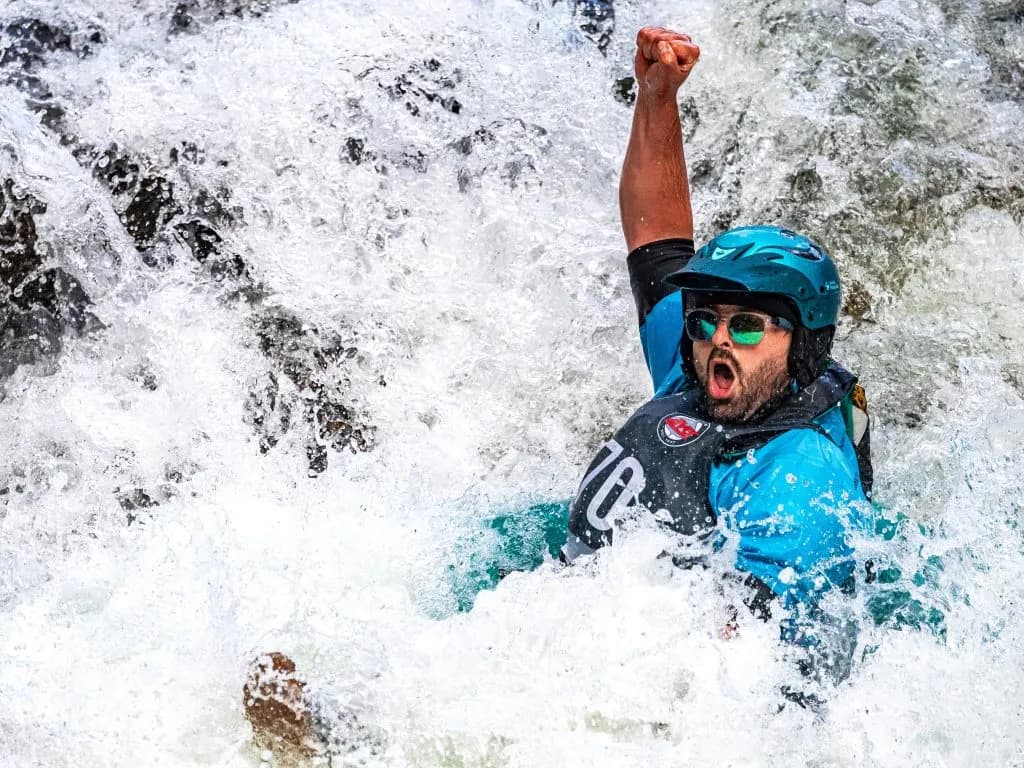
Aspen —The Roaring Fork River doesn’t roar this year. It murmurs. It slips over the rocks with a tentative, watery whisper, lacking the muscular heft that defines the Class IV Slaughterhouse Falls for which the annual race is named. Yet, on a Sunday in mid-June, the water was still there, and so were the boats.
Slaughter Fest returned to Aspen, paddling forward despite a snowpack that left the river running lower than usual. The race didn’t start at the traditional, more distant takeout point. Instead, crews launched from Stein Park, navigating the diminished flow down to Slaughterhouse Falls. From there, the course changed. Racers had to get out of the water, haul their watercraft onto land, and run back to the start. It was a test of endurance, yes, but also a test of adaptability.
Picture this: a kayak crew, lungs burning, dragging a carbon-fiber shell up a gravel bank while their rafting team nearby struggles with the heavier, wetter burden of a raft. The timing clock ticks on. The bragging rights are on the line. But look closer at the faces of the competitors. There’s no grimace of pure agony. There’s laughter. There’s the shared, breathless joy of being on the water, even when the water is shy.
This is the thing about Slaughter Fest. It’s not really about the times. It’s about the love of the river. It’s about the community that gathers when the snow melts and the sun hits the canyon walls. The low flow forced a logistical shuffle, but it didn’t stop the celebration. In fact, it might have made it more intimate. With fewer boats in the water and a shorter course, the event felt less like a massive industrial operation and more like a neighborhood gathering.
The race began at Stein Park and ended at Slaughterhouse Falls, but the real finish line was the run back. Racers carried their gear, muscles aching, smiling at the absurdity of it all. Why run? Why drag a boat? Because that’s what you do when the river gives you less than you expect. You adjust. You keep going.
And that matters because it’s a metaphor for the Western Slope itself. We’re used to abundance. We’re used to the snowpack holding its breath until spring, then releasing it in a torrent. This year, the release was a trickle. But the community didn’t pack up. They didn’t cancel. They found a way to make the race work, to shape the day into something fun, to seize the moment.
Austin Colbert’s photos capture it well. The water is low, the banks are exposed, but the energy is high. People are in the water. People are on the land. People are talking. It’s a reminder that the river is more than just a resource or a racecourse. It’s a neighbor. It’s a friend. It’s the reason we come here, even when it’s quiet.
The sun dipped lower. The shadows lengthened across the riverbed. The last crews finished their run, exhausted and happy. The water continued its slow journey toward the Grand Valley, whispering secrets to the rocks. And somewhere, a few miles upstream, the snowmelt continued to drip, drop by drop, waiting for its turn to roar.
Keep up with Aspen
The day's Western Slope news, one email each morning. Free.
NWRM CASA Honors Judge O’Hara and Founders at 15th Anniversary
Craig Hosts Only Regional Special Olympics Bowling Competition