Snow Mass Creek Water Rights Disputes Revealed
Delve into the complex and contentious history of water rights in Snow Mass Creek, where a century-long debate has shaped the lives of locals and the allocation of this precious resource.
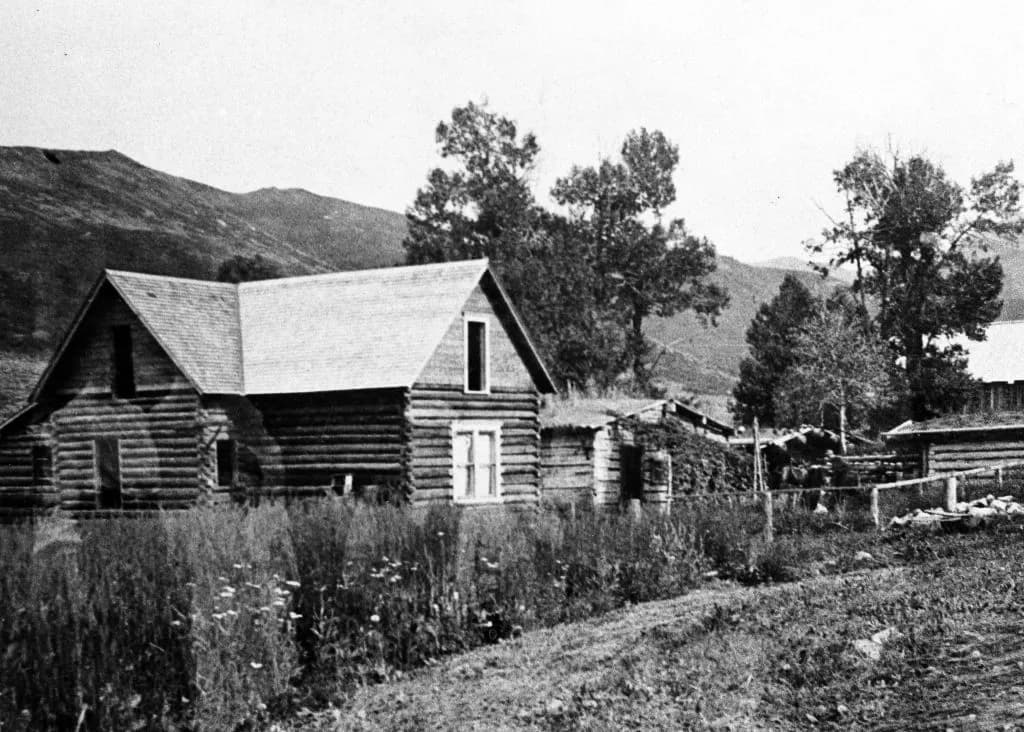
Aspen —The sound of Snow Mass Creek babbling through the valley is a familiar one to locals, its gentle voice a constant companion to the rhythms of daily life, but beneath its serene surface, a complex and contentious history of water rights has been unfolding for over a century. As we stand on the banks of this tranquil waterway, the warm sunlight dancing across the ripples, it's hard to imagine the fervent debates and lawsuits that have shaped the fate of this creek, and the lives of those who depend on it. The scent of damp earth and new growth wafts up, a potent reminder of the life-giving power of water, and the fierce battles that have been waged over its allocation.
As we delve into the archives, the dusty pages of the Aspen Daily Chronicle, dated April 12, 1892, reveal a long-standing conundrum: the question of water rights, and how they are determined, has been a source of conflict since the late 1800s. The Colorado Supreme Court's ruling, which affected water rights across the state, had a lesser impact on Western Slope counties, where the principle of "first in use, first in right" held sway, with priority given to those who had been using the water for the longest period. This approach, rooted in the idea that water is a limited resource, has been the subject of much debate and litigation, as users have sought to assert their claims and protect their interests.
The story of Edwin Powell and Alexander McKenzie, who amicably settled their dispute over water rights in the district court, offers a glimpse into the intricate web of agreements and decrees that have governed the use of the creek's waters. The Powell-McKenzie Ditch, as it came to be known, was designated by Judge John T. Schumate in 1903, with a specific allocation of water rights, carefully calibrated to meet the needs of the landowners. The language of the court's decree, preserved in the water priorities book from the early 1900s, is a detailed and meticulous account of the allocation, with the Powell-McKenzie Ditch allocated 1.5 cubic feet of water per second, and a potential additional 0.3 cubic feet per second, should the land be brought under cultivation, stands as a result of the complex negotiations and compromises that have shaped the use of this precious resource.
As we walk along the creek, the sound of the water growing louder, we're reminded that the history of water rights in this region is not just a dry, abstract concept, but a living, breathing reality that has been shaped by the needs and aspirations of generations of users. The Aspen Historical Society, with its mission to preserve and present local history in a provocative and inspired manner, has played a crucial role in shedding light on this complex and often contentious topic. By examining the experiences of pioneers like Edwin Powell, who patented a seed potato cutter, and the McKenzie clan, who worked the land and tended the waters of Snow Mass Creek, we gain a deeper understanding of the intricate social and economic fabric that underlies the allocation of water rights.
The warm sunlight catches the ripples on the water, casting a shimmering glow across the creek, as we consider the implications of this history for our own time. The question of water rights, far from being a settled issue, remains a pressing concern, as we face the challenges of a changing climate, and the increasingly complex demands on this limited resource. As we look out across the valley, the sound of the creek providing a soothing background hum, we're reminded that the story of water rights is far from over, and that the decisions we make today will have a lasting impact on the lives of those who come after us. The scent of damp earth and new growth lingers, a potent reminder of the life-giving power of water, and the need for careful stewardship of this precious resource.
Keep up with Aspen
The day's Western Slope news, one email each morning. Free.
Aspen's ACES Returns Annual Harvest Party to Rock Bottom Ranch
Glenwood Ghostwalk Brings Frontier History to Life in Linwood Cemetery