Steamboat Mah Jongg Groups Surge as Younger Players Seek Connection
From retirees to younger professionals, Steamboat Springs sees a surge in Mah Jongg clubs as residents seek social connection and structured leisure time post-pandemic.
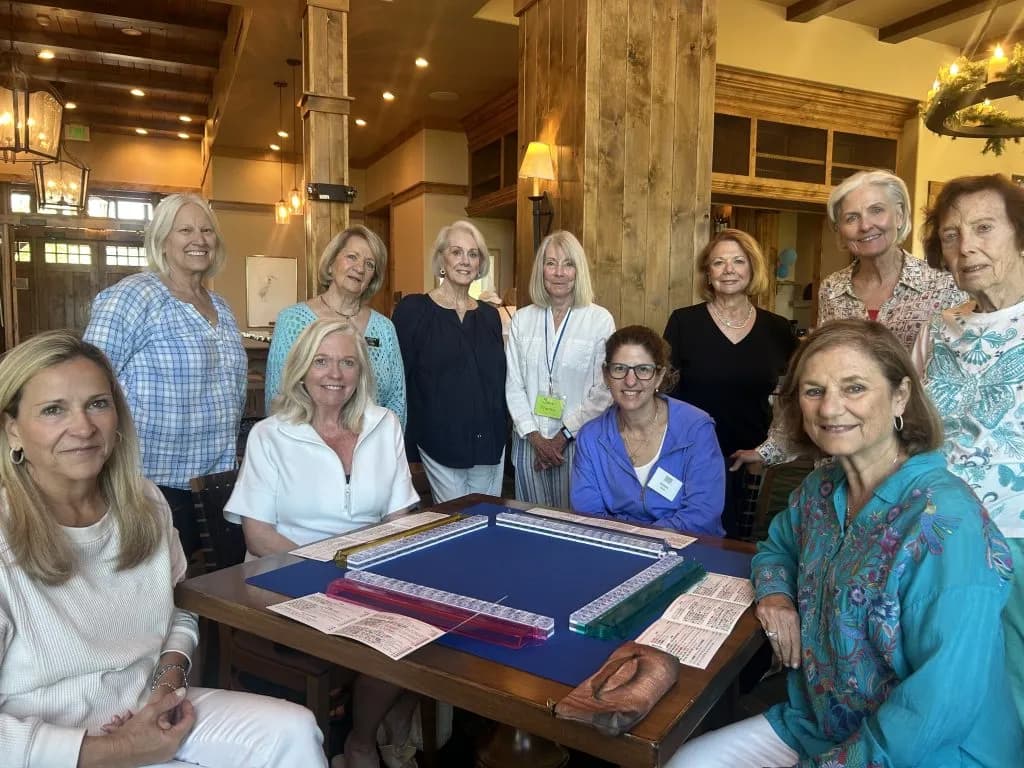
Steamboat Springs —“People like to socialize,” said Peggy Kamins.
That’s the short version of why Mah Jongg is suddenly everywhere in Steamboat Springs. It isn’t just about the tiles anymore. It’s about the handshake before the game starts. It’s about the coffee after.
The game has exploded since the pandemic locked people in their homes. Neighbors who never met now sit at the same table. And they aren’t all retirees.
Susan Handloff knows the struggle of starting from zero. She’s the “mother of Steamboat Mah Jongg.” She started her club over 20 years ago. At first, it was a weak start. You couldn’t find anybody to play.
She gathered ten women at Haymaker Patio and Grill. They socialized first. Then they set up tiles at three or four different tables. Handloff has been playing for about 60 years. She learned from a group of beginner mothers in her apartment complex.
“I can’t say I’ve gotten any better,” she joked.
She recruited friends. She taught them. It took time to build a solid group. But the momentum has stayed. New groups form every year.
Kamins organizes two groups. One plays Mondays at Haymaker. The other plays Wednesdays at Cypress. She’s seeing an influx of people reaching out. Especially younger folks.
On Tuesday, four younger people asked for private lessons. They wanted to play together. They didn’t want to sit with the veterans. They wanted their own table.
A few years ago, two people from Kamins’ group offered to teach beginners. That effort grew. Now, a large number of people play on Tuesdays at the Community Center.
The game itself is simple. Four players at a table. Each game lasts about 15 minutes. The group plays for three hours. They follow the National Mah Jongg League’s rules. Players try to create specific tile combinations. The league releases a new combination card every year on April 1st.
Most Steamboat groups follow those rules.
Kamins orders cards for all the local groups. She gives the proceeds to the Women’s Foundation of Colorado. Last winter, Catamount ordered 32 cards through her. That’s not just a hobby. That’s community support.
The majority of the group attributes the growth to social and community aspects. New players are mostly young. They’re looking for connection. They’re looking for something to do that isn’t scrolling through a phone.
Handloff remembers when she first moved here. She had to teach everyone. Now, she’s teaching the teachers. The cycle continues.
It’s worth watching how this shifts the town’s social fabric. Pickleball took over the courts. Mah Jongg is taking over the community centers and the patios. It’s quieter. It’s slower. But it’s no less competitive.
The facts are clear. The game is growing. The demographic is changing. And the women leading it are just happy to finally have someone to play with.
Keep up with Steamboat Springs
The day's Western Slope news, one email each morning. Free.
NWRM CASA Honors Judge O’Hara and Founders at 15th Anniversary
Craig Hosts Only Regional Special Olympics Bowling Competition