Steamboat Springs Mandates Drought-Proof Landscapes to Slash Water Use
Steamboat Springs is updating its Community Development Code to mandate smart irrigation and native plantings, aiming for a 10% water reduction by 2030 as the Yampa River faces historic low flows.
Steamboat Springs —"Water conservation is the fastest, cheapest, and most effective way to protect our rivers and safeguard our potable water supplies."
It’s a stark assessment, one that lands with particular weight when you stand on the banks of the Yampa River in late summer and watch the current thin out to a trickle over the rocks. The Steamboat Pilot reported on this reality recently, noting that as we live through critically low river flows, significant drought, and active wildfires, the pressure on our local infrastructure is no longer theoretical. It’s in every hose we turn on.
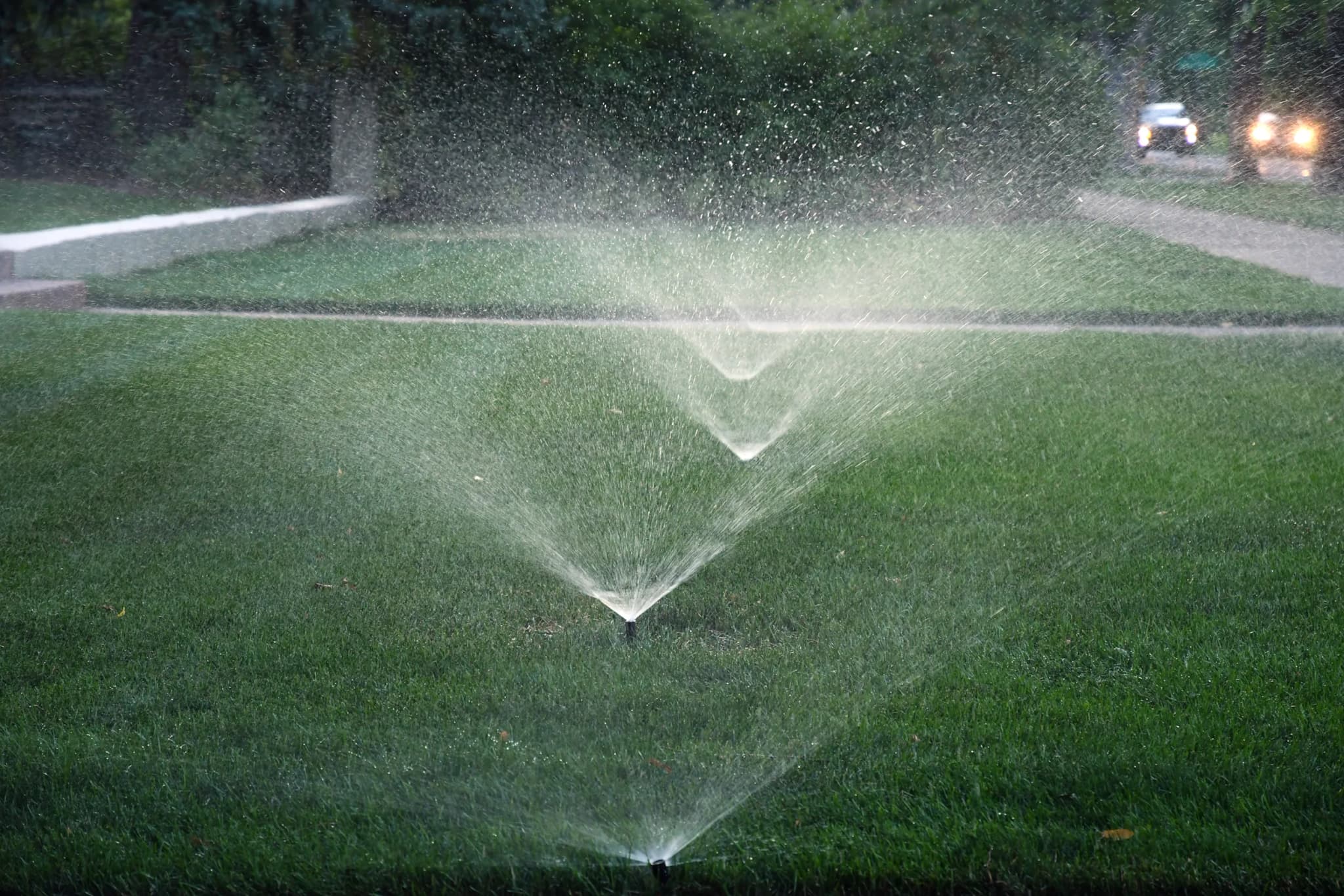
In Steamboat Springs, the math is unforgiving. Approximately 30% of annual household water use goes to outdoor watering. Of that total, half is lost — simply gone — to evaporation and runoff because of overwatering or maladjusted sprinkler heads. You can feel the waste in the heat radiating off a freshly watered lawn, that humid, heavy air that hangs over the valley while the river struggles upstream.
To combat this, the city of Steamboat Springs has moved to update its Community Development Code with new landscaping standards, effective July 1, 2026. This isn’t just a bureaucratic tweak; it’s a structural shift designed to bring local requirements into compliance with new state laws. Specifically, the code now limits nonfunctional turf and aligns with the Colorado Wildfire Resiliency Code, which restricts combustible vegetation near structures. The goal is clear: a 10% reduction in potable water use by 2030.
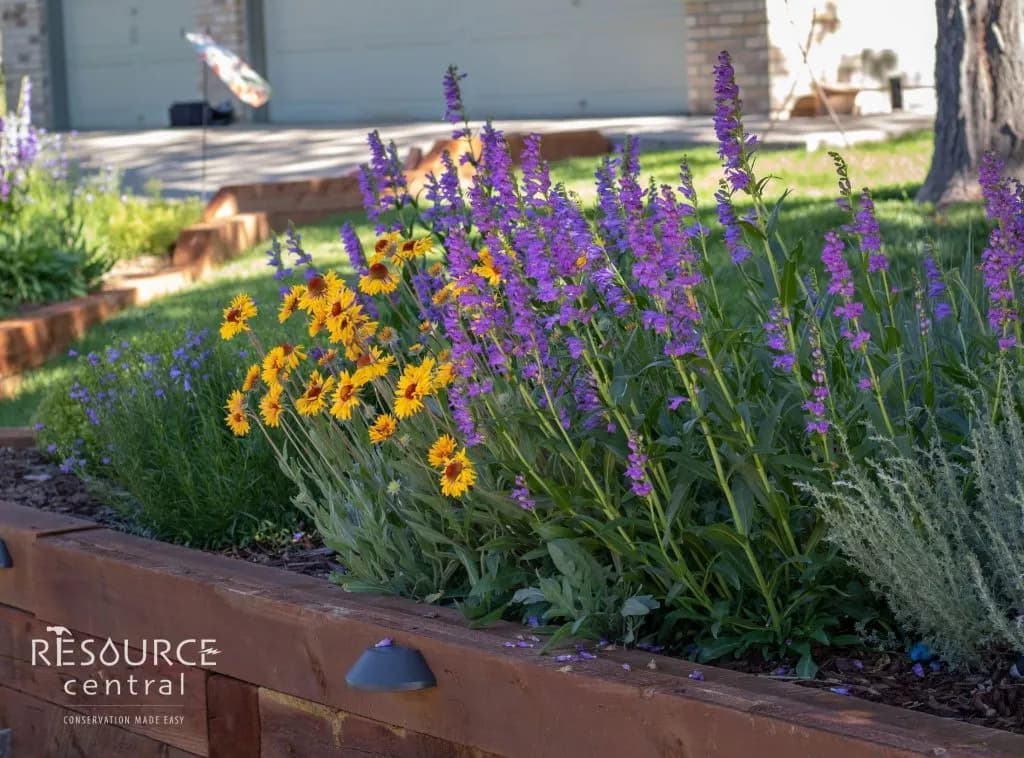
The new code demands more than just less grass. It requires smart irrigation controllers that adjust schedules based on actual weather and soil conditions, rather than a rigid timer. It restricts the use of artificial turf, a material that increases urban temperatures and releases microplastics into our watersheds. If you look closely at the updated regulations, you’ll find a plant list of over 250 trees, shrubs, grasses, and perennials. These aren’t random selections; they are native, pollinator-friendly, drought-tolerant, and fire-resistant. Homeowners must ensure that 75% of their plantings come from this list, which includes specific data on watering needs and shade preferences.
There’s a warmth to the practical support the city is offering alongside these mandates. The "Garden In A Box" program, brought to Steamboat in 2025 and 2026 by the city of Steamboat Springs, Mount Werner Water and Sanitation District, and Western Resilience Center, has already distributed over 300 professionally designed, plant-by-number kits. These low-water garden kits have replaced an estimated 32,000 square feet of turf grass in Steamboat and surrounding communities. Each kit is estimated to save at least 7,000 gallons of water over its lifetime compared to Kentucky bluegrass.
The new landscaping code applies to all new development, though it currently includes an exemption for one-family and two-family residential properties. The city has stated it will consider new water-efficient landscaping requirements for single-family homes in the future, a move that suggests the pressure on homeowners will only increase as the drought deepens.
For now, the changes affect new builds and commercial spaces, but the ripple effect is already visible in yards across town where green lawns are giving way to textured, drought-hardy plantings. The air in the valley feels a little drier, a little sharper, as we adapt to a landscape that no longer demands constant hydration.
Keep up with Steamboat Springs
The day's Western Slope news, one email each morning. Free.


Steamboat Airport Manager Defends $14M Upgrade for Emergency Response

72% of Colorado Districts Run Short Weeks Despite New Funding Law