Taco Bell Shooting Getaway Driver Arrested for Drug Distribution
Lester Miranda-Davis, the getaway driver from the 2011 Grand Junction Taco Bell fatal shooting, has been arrested for drug distribution following a Western Colorado Drug Task Force wiretap investigation.
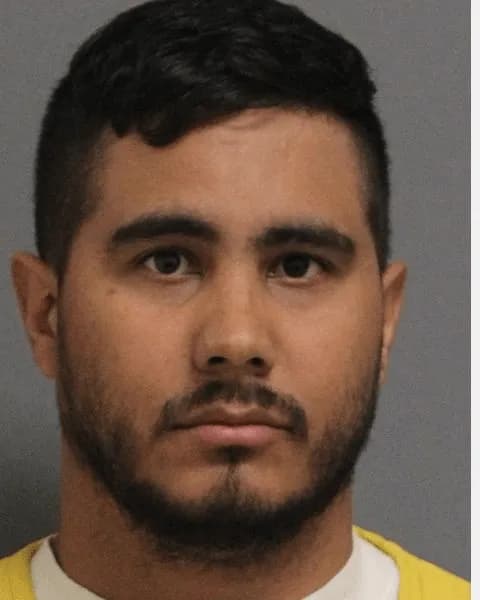
Western Slope —What happens to the guy who drove the getaway car when the bullets stopped flying? You might remember the night in July 2011, the air thick with the smell of fried meat and gunpowder at that Taco Bell off North Avenue, a fatal shooting that left Jorge Carrasco dead and two others wounded. Jaime Cardenas, the man who pulled the trigger, thought he was firing into a rival gang’s territory; he wasn’t. He was shooting at locals. Cardenas got 75 years. But Lester Miranda-Davis, the getaway driver who waited in the truck, just got 24 years.
Now, Miranda-Davis is back in the system, and this time, the net is wider.
He was arrested in Denver on an outstanding warrant and transferred to the Mesa County Detention Facility, booked for drug distribution. It’s not just a random arrest; it’s the culmination of a wiretap investigation that pulled him out of his cell and into the crosshairs of the Western Colorado Drug Task Force (WCDTF), working alongside the Colorado Bureau of Investigation (CBI), the DEA, and the 21st Judicial District Attorney’s Office. The result? Over 20 arrests, more than half a million dollars in narcotics seized, and a suspect who was already serving time for a crime that put a dent in Grand Junction’s history.
Miranda-Davis, 33, wasn’t just sitting around. Court documents show a conversation with Mesa County resident Melvin Hunsberger, 50, recorded in December. They met in the Clifton area, a quiet stretch of road that feels worlds away from the busy intersection of the Taco Bell, but the connection was there. Hunsberger was arrested in February for drug charges and eluding police, but the wiretap focused on Miranda-Davis.
The key player in the wiretap was Reymundo Ruiz, 37. Their interactions in January were frequent, a steady stream of alleged drug transactions that ended with Ruiz pulling over on U.S. Interstate 70. Officers found around 508 grams of cocaine in his vehicle. But here’s the detail that makes you lean in: Miranda-Davis was surprised Ruiz wasn’t arrested. He thought the cops had let Ruiz go with the stash. “Miranda-Davis stating it was ‘not possible’ that officers had taken the cocaine and ‘let Ruiz go,’ is consistent with participants attempting to assess whether law enforcement seized the narcotics or if Ruiz wasn’t being truthful and stole the cocaine,” the affidavit read.
Ruiz told him to “stay alert.” It was a small phrase, but it carried weight. It meant the game was still on.
Miranda-Davis was apprehended in April, while Ruiz was booked on May 7. The hearing on Miranda-Davis’s bond is set for July 24. It’s a long time to wait in a jail cell, but the evidence is stacked. You can feel the weight of it in the documents — the specific grams of cocaine, the recorded voices, the history of a man who was already a killer before he became a dealer.
The Taco Bell shooting was a moment of chaos, a sudden violence that ended a life and changed families. This case is different. It’s methodical. It’s the slow burn of a wiretap, the patience of detectives listening to conversations in Clifton, watching Ruiz drive down I-70 with half a kilo of cocaine in his passenger seat. It’s the realization that the guy who drove the truck is still driving, still dealing, still waiting for the next pull-over.
When you drive past that Taco Bell now, you might not think about the 24 years Miranda-Davis served before this. You might just see the building, the parking lot, the cars coming and going. But if you look closely, you can see the continuity. The same roads. The same county. Just a different suspect, a different charge, and a lot more cocaine.
Keep up with Western Slope
The day's Western Slope news, one email each morning. Free.

Mudslides Strand Visitors on East Portal Road After Heavy Rain
How Western Slope Residents Can Safely Wash Produce Amid Cyclospora Outbreak