Talbot Farms Marks 115 Years in Palisade Amid Urban Growth
Talbot Farms celebrates over 115 years of continuous operation in Palisade, adapting from apples to peaches and wine grapes while resisting urban development pressures.
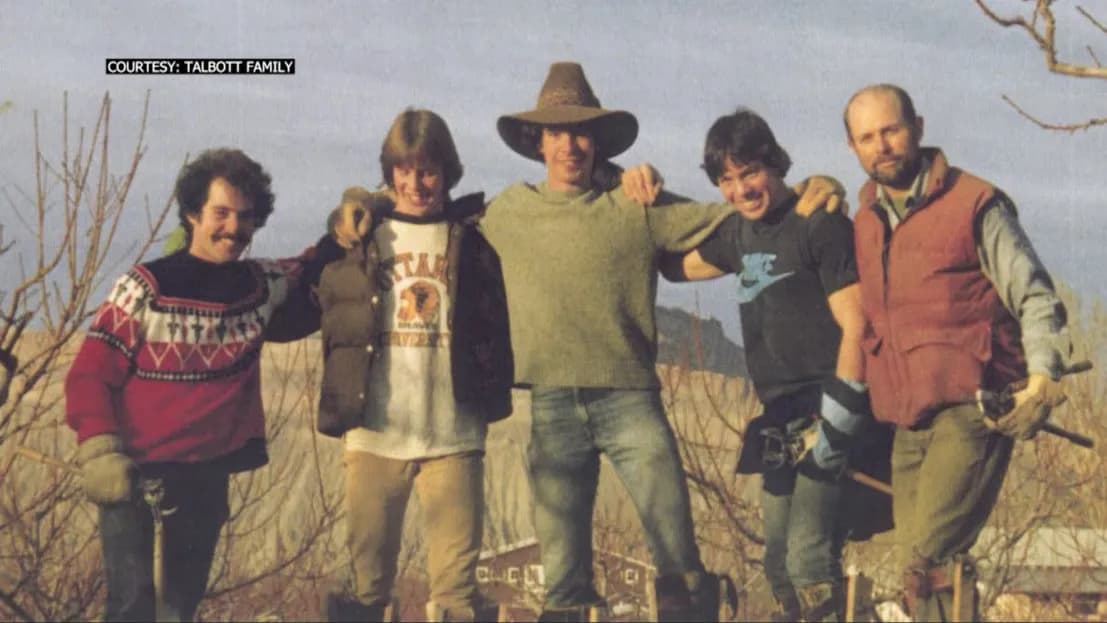
Palisade —Joseph Yeager moved to the Grand Valley from Iowa in 1907. He brought nothing but a family name and the intent to farm red rock canyons that were otherwise defined by peach groves and open ranches.
That arrival point matters because Talbott Farms, currently managed by Charlie, Bruce, and Nathan Talbott, is marking more than 115 years of continuous operation. The farm has survived oil booms, industry shifts, and the loss of its original infrastructure to become a primary supplier of peaches and wine grapes for Colorado retail chains.
The lineage is specific. Yeager’s great-great-grandson, Charlie Talbott, traces the business start to his ancestor’s arrival. “It really started with my generation’s great great grandfather,” Talbott said. The family name solidified when Charlie’s grandfather arrived from Kentucky and married a local preacher’s daughter. Today, three of the four brothers represent the fifth generation.
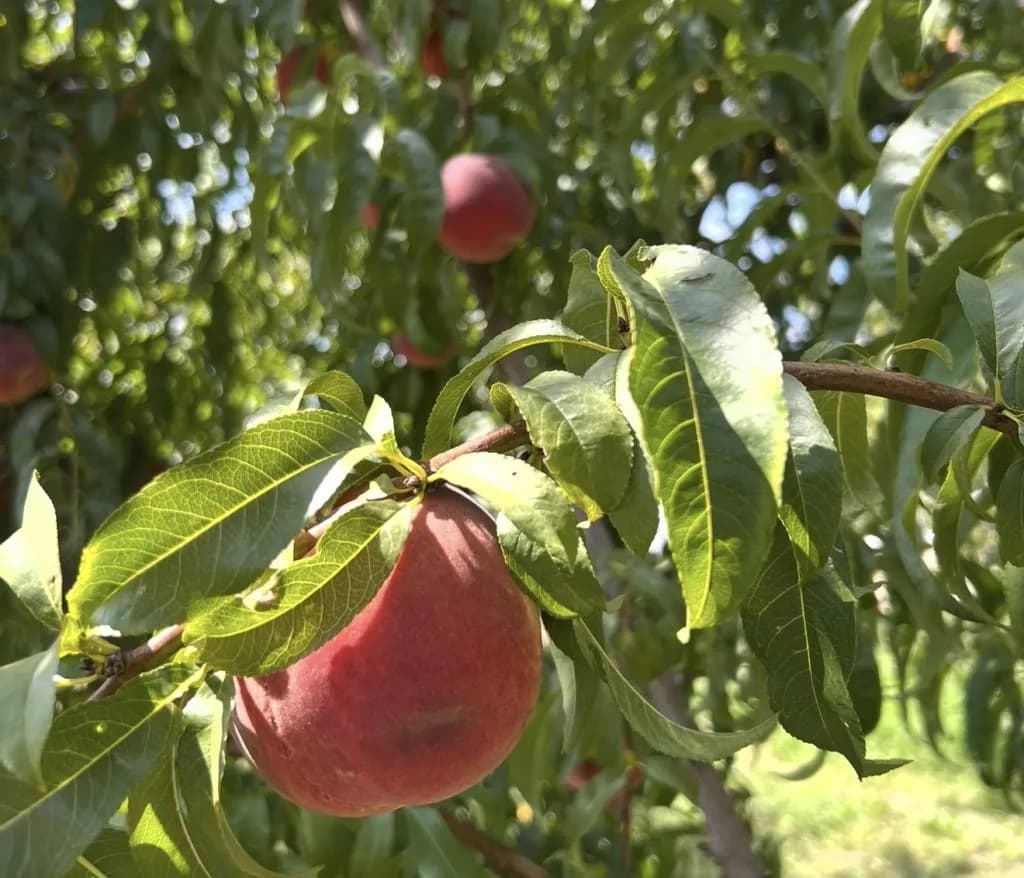
The crop mix tells the story of adaptation. In the 1930s and 1940s, forefathers focused on peaches. By the 1960s and 1970s, Bruce Talbott’s grandfather pivoted hard to apples. “Our goal is to produce number one apples,” Bruce Talbott noted.
The farm once held 90% of its acreage to apples. Today, that figure has dropped significantly. The current operation produces approximately 70% peaches and 25% wine grapes. They still grow plums and cherries, but apples and pears are largely gone from the core strategy.
Modernization wasn't a choice; it was forced by catastrophe. The farm lost its original packing plant, located directly across the street from their current facility. Before that loss, operations were manual, relying on single-box conveyors and few forklifts.
“We were mostly manual... when we lost all that, it was catastrophic, but it launched us into a much more modern facility, a much more efficient facility,” Charlie Talbott said.
That efficiency matters against current pressures. High land costs and the encroachment of planned urban communities threaten agricultural viability in Palisade. Developers are buying up acreage for housing, driving up the cost of keeping land in production.
Despite these financial headwinds, the local agricultural sector has shifted from competition to cooperation. Charlie Talbott observed that the industry was less cohesive during his youth.
“It was not as harmonious,” he said. “Today, there’s a great degree of mutual support, mutual cooperation.”
For locals in Palisade, this isn't just history. It’s a warning about land use and a promise of supply chain stability. The farm isn't just preserving 1907; it’s adapting to 2024. The shift from apples to peaches and grapes reflects broader market demands, while the consolidation of operations ensures that Palisade remains a viable agricultural hub rather than just a bedroom community for Grand Junction.
The cost of inaction is higher land values and fewer farms. The benefit, according to the Talbotts, is a resilient, modern facility that can withstand urban sprawl. The data confirms it: 70% peaches, 25% grapes, and a family name that has been in the valley for more than a century.
Keep up with Palisade
The day's Western Slope news, one email each morning. Free.