The kitchen clock ticks past 6:00 a
The kitchen clock ticks past 6:00 a.m., and the smell of steel-cut oats hits the air before the coffee even brews. For Mark Easter, this isn’t just breakfast; it’s a battle plan against prediabetes. He stands there long enough and…
The kitchen clock ticks past 6:00 a.m., and the smell of steel-cut oats hits the air before the coffee even brews. For Mark Easter, this isn’t just breakfast; it’s a battle plan against prediabetes. He stands there long enough and you realize the pot on the stove isn’t just full of grain — it’s full of a calculated move to keep his blood sugar from spiking.
Easter, who lives in the shadow of the Eastern Plains, found himself enrolled in a CDC-led education program alongside eleven other neighbors. The curriculum was blunt: spread your protein, eat more fiber, and stop relying on crops that drink the groundwater dry. He started experimenting with grains and legumes grown locally, specifically black-eyed peas, which require a fraction of the water that corn or alfalfa demand. The result is a hearty barley breakfast bowl that he makes in a single batch for the entire week. It’s dense, it’s satisfying, and it supports his nutritional needs without draining the aquifer.
This personal experiment fits squarely into a larger investigation by The Colorado Sun, which spent a year asking a deceptively simple question: Can Colorado do more with less water? The outlet’s solutions journalism series, titled “Can Colorado do more with less water?,” looked beyond individual habits to assess whether specific conservation projects — like cloud seeding or insulated snow blankets, could actually free up water at a large scale. The findings were mixed. Some initiatives showed promise, while others were overwhelmed by uncontrollable natural conditions or immovable market realities that prevented farmers from switching to less-thirsty crops.
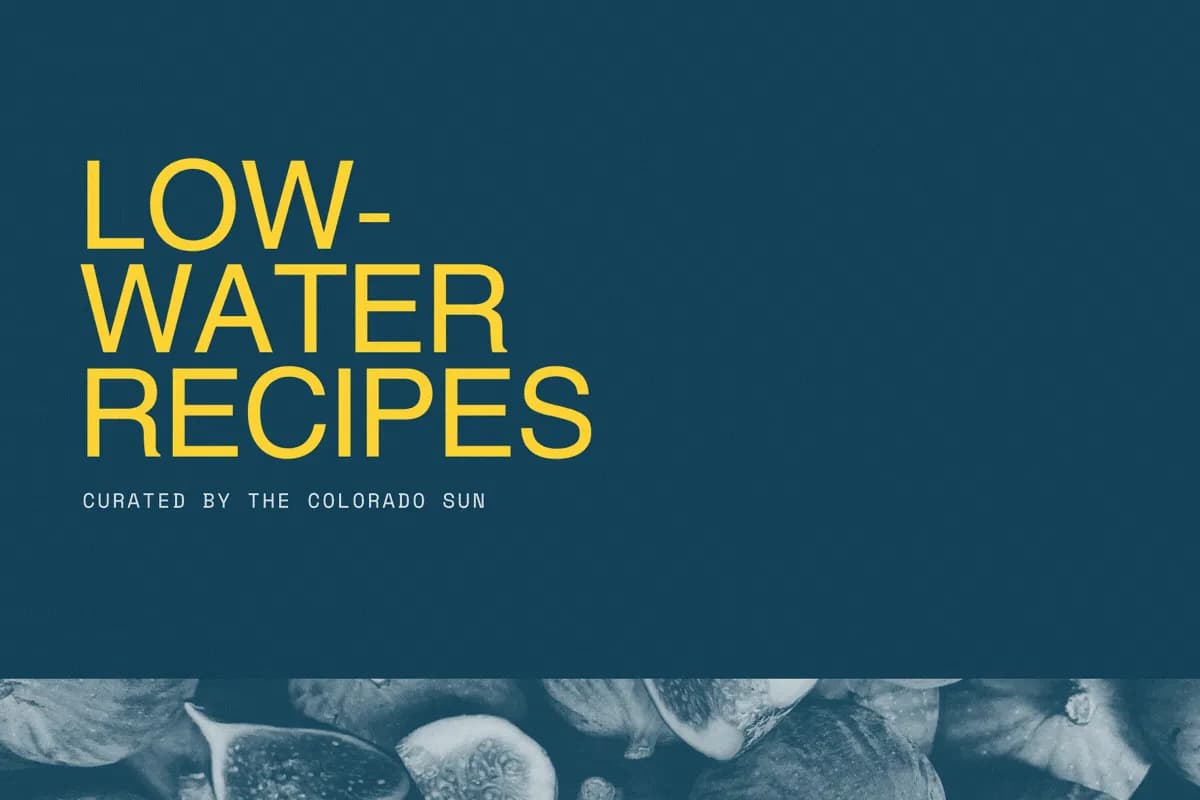
Now, the series culminates in something far smaller, yet perhaps more immediate: low-water food recipes submitted by readers across the state. The goal is to prove that sustainability doesn’t have to be a sacrifice of flavor. The menu is diverse, ranging from Lulu’s Granola and Rhubarb Upside Down Cake to more savory options like Tanzanian Black-Eyed Pea & Coconut Soup and Cajun Black-Eyed Peas with Ham and Mustard Greens. There are even Prickly Pear Margaritas, suggesting that the water savings extend to the evening glass.
The underlying argument is that while interstate conflicts over river supplies and historic droughts dominate the headlines, the daily choices of neighbors in Akron and Aspen matter. By shifting toward crops that are native or better adapted to the arid climate, locals can reduce the pressure on the system without waiting for policy changes. Easter’s black-eyed pea hummus and Johnetta Miller’s Black-Eyed Peas are part of this shift, turning a staple legume into a versatile ingredient that requires minimal irrigation.
It’s not exactly a revolution, but it’s a start. The part everyone skips past is the effort involved in sourcing these ingredients and adjusting old habits. But and that matters because, the alternative is running dry. As the drought persists and climate change accelerates, the question of where Colorado will find the water it needs to thrive becomes more urgent every day. The answer might not be in the reservoirs alone, but in the kitchens, on the plates, and in the roots of the crops we choose to grow.
The final image is of the empty pot, washed and dried, sitting on the counter. The steam has cleared, the noise has stopped, and the silence returns. Outside, the wind picks up, carrying dust from the plains, a reminder that the water saved today is the water needed tomorrow.
Keep up with the Western Slope
The day's Western Slope news, one email each morning. Free.