The Roaring Fork River runs low this summer, exposing gravel bars that used to be submerged
The Roaring Fork River runs low this summer, exposing gravel bars that used to be submerged. It’s a visual cue that the water table is dropping, a reality that locals have been watching for years. But for most people, that…
Aspen —The Roaring Fork River runs low this summer, exposing gravel bars that used to be submerged. It’s a visual cue that the water table is dropping, a reality that locals have been watching for years. But for most people, that sight triggers a feeling of helplessness — a passive observation of a changing world.
That is the exact emotion the Aspen Center for Environmental Studies (ACES) is trying to kill.
The obvious take on youth climate programs is that they are well-intentioned but ultimately symbolic. Kids make posters, they march, they feel good. But the Colorado Youth Climate Program, which ACES is partnering with this year, is structured differently. It isn’t about raising awareness; it’s about drafting policy. And that distinction matters because it shifts the burden from the government to the neighborhood.
The program was founded by Wild Rose Educator Sarah Johnson in 2024, but this is the first year ACES has stepped in as a partner. Andrea Aust, the Education Director at ACES, sees the value in moving beyond the "doom and gloom" that often paralyzes young people. In her view, the valley is a classroom where the lessons are written in wildfire smoke and drought-stricken creeks.
"We hear so much about climate and what’s happening to our environment. Our youth in our valley see and live with it everyday," Aust said. "This gives them a chance to take action, have agency and make an impact in the communities they live in."
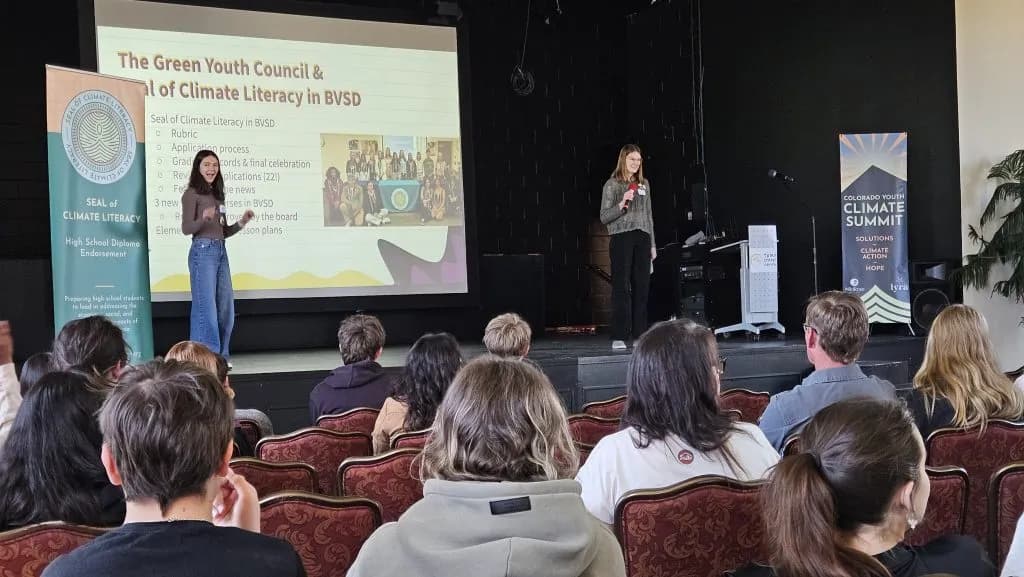
The mechanics of the program are rigorous. It runs on a three-phase annual cycle. From August to November, local youth leaders meet bi-weekly to build leadership skills and plan the Youth Climate Summit. Then, in mid-November, students convene for a two-day summit. They don’t just listen to speakers; they look at their own communities, identify a specific climate issue, and draft a "climate action plan."
Aust pointed to the 2025 summit as a concrete example of this work. Held in May in Carbondale, the event brought together youth from the Roaring Fork Valley and students from across the state. The local participants weren’t writing vague essays about global warming. They were analyzing the community’s busing system, figuring out how to make it more efficient and effective for people living in the valley.
From November to June, a mentorship cohort provides feedback and structure, helping these students move their plans from paper to local community action. The target demographic is specific: youth in eighth through 10th grades from rural Western Colorado. Aust noted that rural youth experience climate impacts differently than their urban counterparts. In the valley, the changes are visible and immediate.
"In our valley, we watched our river be really low this year because of drought. We have wildfires that come and touch our communities," Aust said. "Not to say that doesn't happen everywhere, but I think when we do have these impacts that we're seeing, they are really visible in our valley."
The response from participants has been strong. Aust described the reaction as "fantastic," noting that the program gives students a tangible sense of agency. Instead of waiting for a solution to arrive from Washington or Denver, they are building it in their own zip code.
"We really want to see this program continue," she said. "Our mission is to educate for environmental responsibility and do … education programs with youth, and really thought this was an important initiative and program."
As the next cohort prepares to meet, the focus remains on the local. The goal isn’t just to teach kids about the environment; it’s to turn their concern into a blueprint for change. One by one, these action plans are being drafted, reviewed, and implemented. The river may still be low, but the momentum among the valley’s youth is rising.
Keep up with Aspen
The day's Western Slope news, one email each morning. Free.