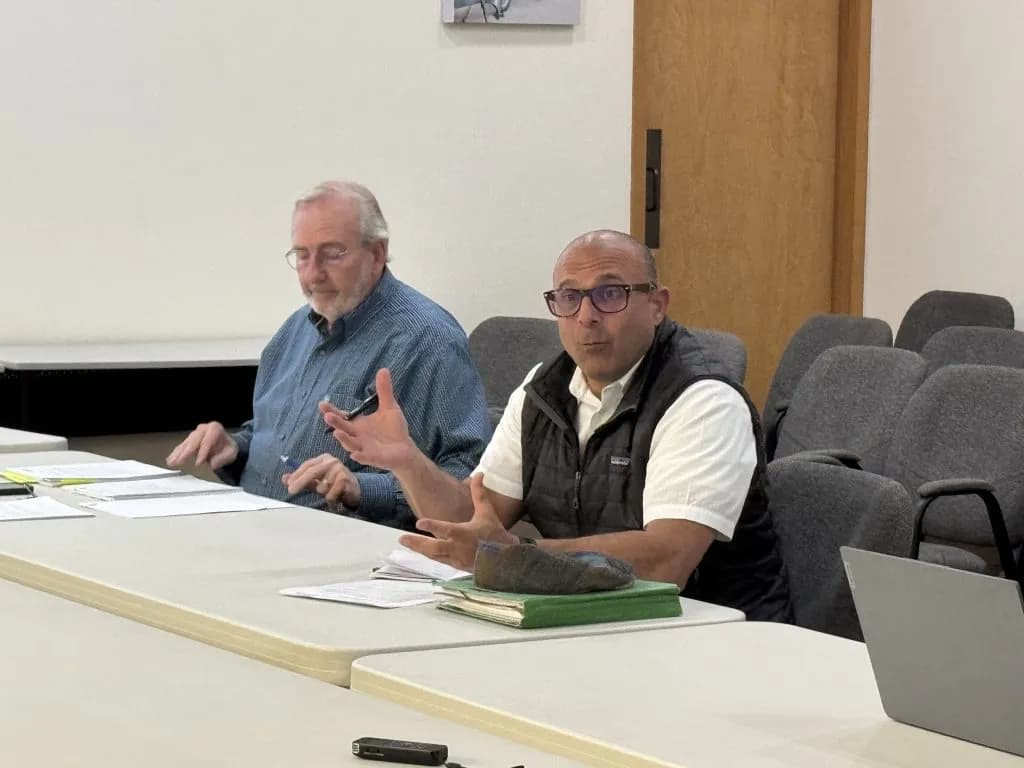
Three GOP Candidates Pitch Rural Colorado Solutions in Governor’s Race
Scott Bottoms, Victor Marx, and Barbara Kirkmeyer offer distinct approaches to bridging Colorado's urban-rural divide, ranging from moral leadership and outsider energy to fiscal pragmatism.
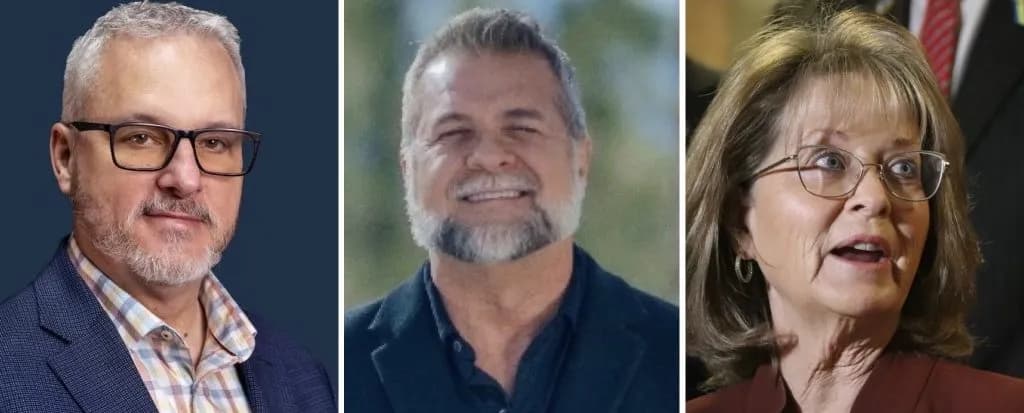
Steamboat Springs —Scott Bottoms doesn’t just talk about rural Colorado; he preaches it. The longtime pastor and current state representative from Colorado Springs sees the state’s political map not as a collection of counties, but as a moral landscape. He argues that the disconnect between Denver and the rest of the state isn’t just about money — it’s about values.
“I have a very strong biblical worldview,” Bottoms said. “When I look at the Declaration of Independence and the Constitution, those were written from the Bible by men of faith, by godly men. It’s woven throughout everything we are as society, our Judeo-Christian values.”
Bottoms is one of three Republicans vying to unseat Democratic Gov. Jared Polis in the June 30 primary. The question isn’t just who wins the nomination, but how they plan to fix a state that feels increasingly split down the middle. The urban-rural divide is the central tension of Colorado politics, and Bottoms, along with his rivals Victor Marx and Barbara Kirkmeyer, say they have the blueprint to bridge it.
Their promises are familiar to anyone who drives the I-70 corridor or navigates the potholed backroads of the Western Slope: better road conditions, adequate state funding for rural communities, and a government that actually looks like the people it serves. But the men and women offering these solutions come from vastly different worlds.
Bottoms, who has held a seat in the Colorado House since 2022, positions himself as the most conservative voice in the legislature. He’s spent his time sparring with Democrats over abortion access, transgender rights, and illegal immigration. For him, bridging the divide means bringing “solid, good moral values” to the executive branch.
“Whether you like Jesus or not is not important — his teachings are for everybody,” Bottoms said.
Then there’s Victor Marx. He’s never held public office. He’s a Marine Corps veteran who runs All Things Possible Ministries, a faith-based nonprofit focused on international humanitarian aid and freeing women and children from sex trafficking in war-torn countries. Marx argues that his lack of political baggage is his greatest asset.
“People ask me, ‘What about your experience? You don’t have experience as a politician,'” Marx said. “And I don’t know whether to say, ‘You’re welcome,’ but it is what’s resonating with people right now, a true outsider, someone who has proven leadership in the real world.”
It’s a classic outsider pitch, but it lands differently depending on where you’re standing. In the mountains, where federal bureaucracy can feel distant and unresponsive, Marx’s nonprofit background suggests a leader who gets things done on the ground. In the cities, it might read as a lack of preparedness for the daily grind of governance.
Barbara Kirkmeyer offers a third path: deep, pragmatic experience. She’s a state senator and former Weld County commissioner who served under former Gov. Bill Owens, the last Republican to hold the governor’s office. Kirkmeyer is one of just two Republicans on the Joint Budget Committee, the body responsible for writing the state’s annual multibillion-dollar budget.
Her pitch is fiscal competence. She’s not just promising to prioritize rural needs; she’s promising to pay for them without breaking the bank.
“I am the only candidate in this race who is actually qualified and has governing experience about balancing budgets,” Kirkmeyer said.
The contrast is stark. Bottoms brings moral clarity and legislative muscle. Marx brings a fresh, outsider perspective rooted in global crisis management. Kirkmeyer brings the technical skill to manage the state’s finances. All three claim they can deliver more for rural Colorado, but they disagree on what that delivery looks like.
For locals in Delta, Montrose, or Craig, the choice comes down to what they value most in a governor: moral leadership, outsider energy, or fiscal pragmatism. The road conditions won’t fix themselves, and the funding formulas won’t change overnight. But the candidates agree on one thing: the current system isn’t working for the rural half of the state.
As Marx puts it, voters are looking for someone who has proven leadership in the real world, not just in the halls of power. The urban-rural divide remains too wide to cross easily, but the candidates are betting that their distinct approaches offer the only viable path forward.
Keep up with Steamboat Springs
The day's Western Slope news, one email each morning. Free.
Moffat County Fair Awards Crown Winners in Horse Show and Crafts
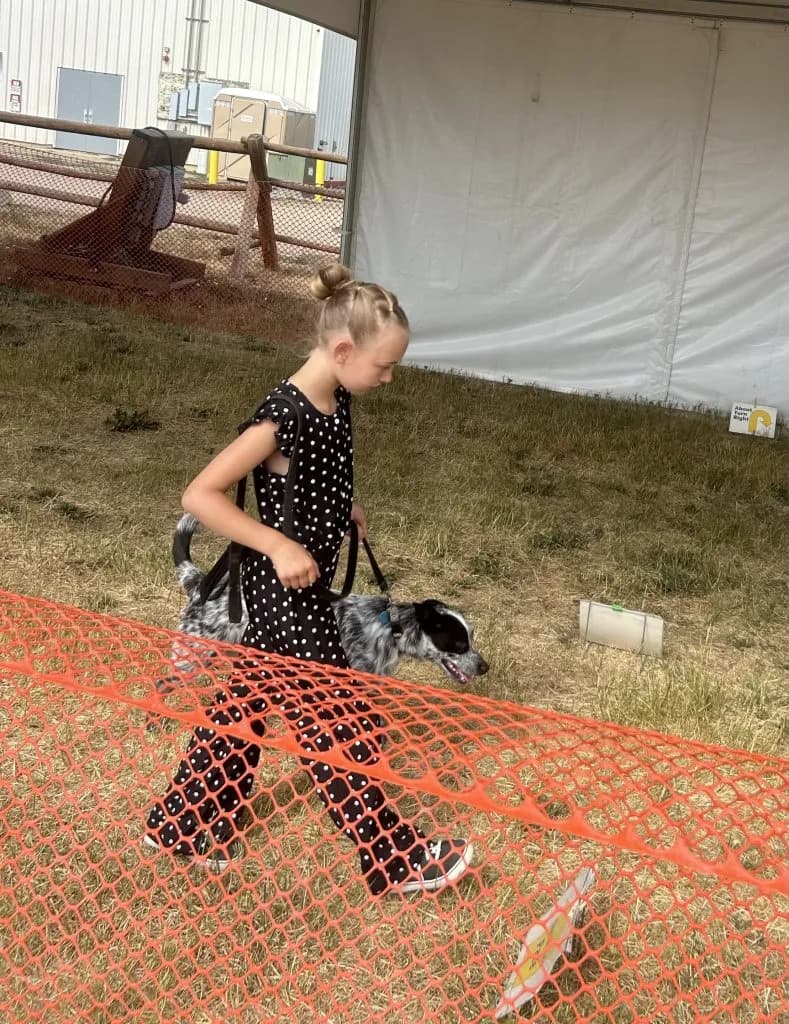
Leela Bridgewater and Corgi Freya Win Routt County Fair 4-H Dog Show