Ukraine Blames Late Partner Warnings for Deadly Missile Strike
Ukraine cites missing early warnings from partners for a deadly missile barrage that left 500,000 without power, prompting urgent calls to diversify air defense sources.
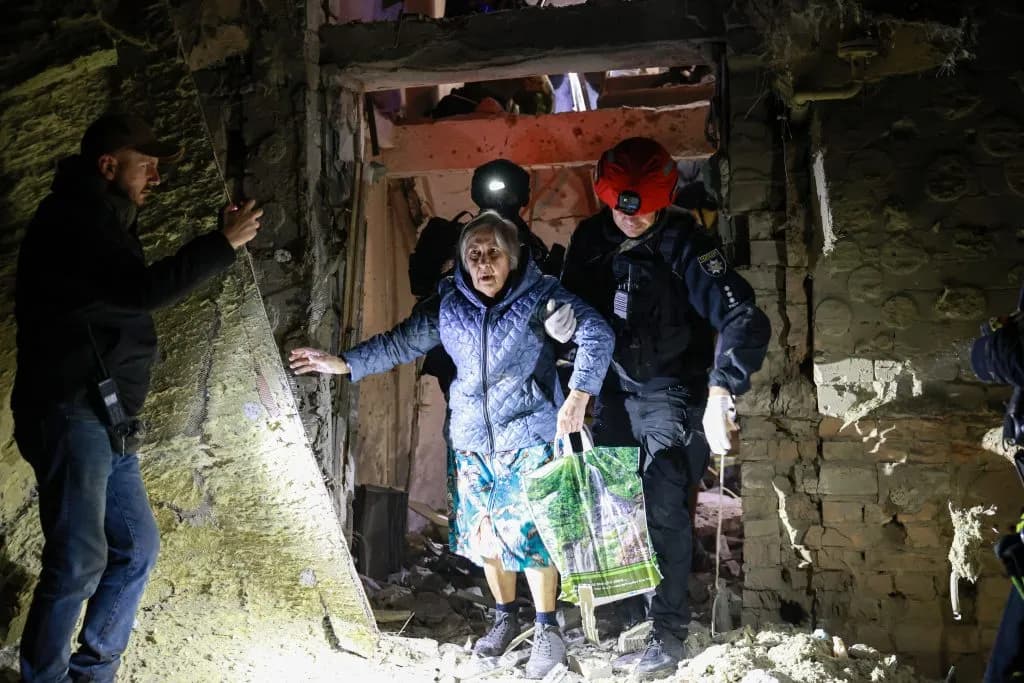
Aspen —More than 500,000 people. That is the number of Ukrainians left in the dark, cold, and without running water after Russia’s latest nighttime barrage. It is a staggering figure, but for folks on the Western Slope, the question isn’t just about the scale of the destruction. It is about the reliability of the pipeline. Specifically: Why did our partners fail to send an early warning this time?
President Volodymyr Zelenskyy answered that question bluntly on Monday. He stated that Kyiv received no early warning of the attack from partner countries that have previously shared their intelligence. This is a significant shift in the dynamic. For over four and a half years, Western intelligence sharing has been the backbone of Ukraine’s ability to counter Russia’s devastating ballistic missiles. Now, that safety net has holes in it.
Let’s look at the mechanics of the failure. Air Force spokesperson Yurii Ihnat explained that while Ukraine received no warning before the first wave, information about a second wave arrived too late. By the time the data reached Kyiv, it was impossible to activate air raid sirens in time for civilians to reach shelters. The result was a 21-year-old woman killed in Kyiv and 28 substations destroyed.
The political context makes this even more frustrating. Zelenskyy is currently grappling with moves in Washington that seem to benefit Russian President Vladimir Putin, including waived U.S. sanctions and a deal to import diesel from Moscow. Yet, when it comes to the hard stuff — air defense and intel — the flow is slowing down. Zelenskyy noted that speed restrictions are still in place on Kyiv’s use of SpaceX’s Starlink satellite internet service. These restrictions are actively slowing down Ukraine’s drones along the front. Furthermore, a severe shortage of American-made Patriot air defense systems has left Ukraine exposed.
Secretary of State Marco Rubio pushed back on Monday, claiming he had no information about the previous night’s attack and that Washington hadn’t stopped providing intelligence. But in practice, the delay is costing lives. Senior Kyiv officials are now urgently contacting other countries to patch the holes in their air defenses because they can no longer count on the U.S. alone.
For context, this isn’t just a foreign policy squabble. It is a supply chain crisis. When the intel arrives late, the missiles land. When the Starlink speeds are capped, the drones fly slow. When the Patriots run out, the sky opens up. The bottom line for locals watching this from Colorado is that the partnership is fraying exactly when the pressure is highest. We are paying for the infrastructure, but we aren’t getting the timely data we paid for.
Keep up with Aspen
The day's Western Slope news, one email each morning. Free.